Egyptian Aak 2015 – Week 19 ( May 4 – 10)

Mubarak birthday

A Hosni Mubarak supporter performs a traditional Sufi folk dance during his birthday- via Al-Monitor

Main Headlines

 Monday

Tuesday

Wednesday

Thursday

Friday

Saturday

 Sunday

 Good Reports

Good read

On Mubark’s verdict:

From Twitter

https://twitter.com/minafayek/status/597529426876858368

Plus:

Video

Photo Gallery

Finally here are Jayson Casper’s prayers for Egypt
Posted in Diary of Aak, Egypt | Tagged , , , , , , | 3 Comments

Egyptian Aak 2015 – Week 18 ( April 27 – May 3)


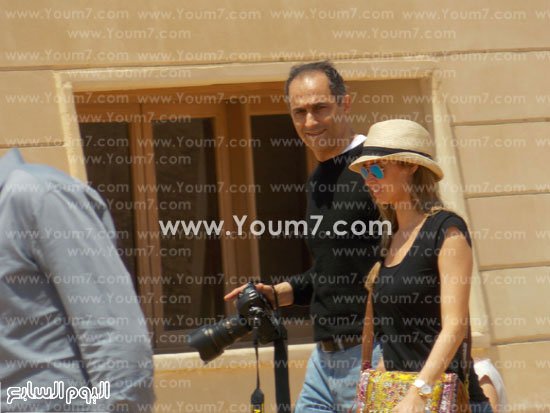
Gamal Mubarak

(Gamal Mubarak, son of ex-president, visits the Pyramids following his recent release from prison. Via Youm 7)

Main Headlines

 Monday

Tuesday

Wednesday

 Thursday

 Friday

Saturday

 Sunday

 Good Reports

Good read

Plus

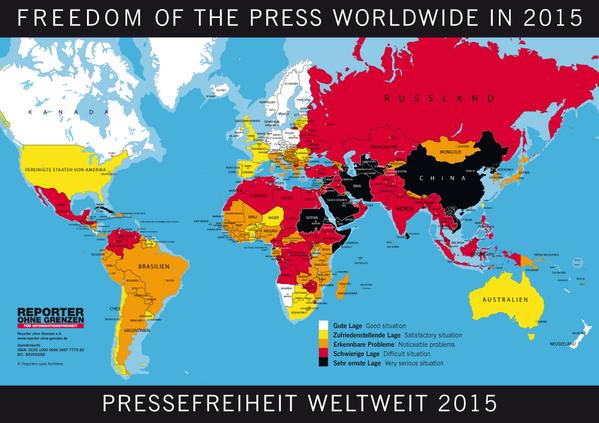
Press FreedomPhoto Gallery

Video

Poll

  • Baseera:  32% of Egyptians believe media is free

Finally, a visit to Cairo’s flower show

Posted in Diary of Aak, Egypt | Tagged , , , , , | 2 Comments

Egypt’s heated religious debates

Last week, the privately owned Egyptian satellite channel Al-Qaherah wal Nas decided to pull the controversial talk show “With Islam” at Al-Azhar Grand Sheikh’s request. The show’s host, Islam al-Behery, is a controversial figure in Egypt because of his candid views and biting criticism of what he describes as the unchallenged Islamic heritage passed on since medieval times, which is still used to justify many regressive practices. The channel announced the show’s withdrawal after Al-Azhar filed a lawsuit demanding its cancellation.

The decision also followed the airing of a long, heated TV debate between Islam Behery and two mainstream Islamic scholars (one from al-Azhar) on another TV channel (CBC TV), in which various contentious issues regarding Islamic theology were discussed for the first time on such a forum. The debate ended without any common ground being reached between the two sides, and left many in the audience baffled and frustrated.

Central to the issues raised in the debate were the Prophet’s sayings (hadiths) and traditions, compiled by Imam al-Bukhari in the eighth century. Imam Bukhari was born 138 years after the death of the Prophet, and his collection, Sahih al-Bukhari, is a series of hadiths compiled by Imam al-Bukhari (d. 256 AH/870 AD). The overwhelming majority of the Muslim world recognizes his collection of reports of the Sunnah of the Prophet Muhammad to be the most authentic. It contains over 7,500 hadiths (with repetitions) in 97 books.

Islam al-Behery has argued that Bukhari’s books are just a historical collection and therefore are not sacred and can be disputed. On the other hand, Al-Azhar scholars have defended Bukhari’s books and argue that they are reliable and religiously “scientific.” They also say that only highly educated scholars may issue religious verdicts based on Bukhari’s (among others) collection.

It was interesting to see how the Islamic scholars focused heavily on Beheiry’s aggressive attitude and his choice of words, reducing the debate to a pedantic interpretation of the rules of Islamic jurisprudence (Fiqh). Their aim clearly was to discredit Beheiry, and not to address the maze of existing religious verdicts (fatwas) on many contentious topics in Islam, which Beheiry has boldly raised in his program.

Furthermore, a few days before Behery’s show was pulled off air, President Sisi remarked that ‘religious reforms’ must come through state institutions and from qualified scholars. His comments were seen as clearly directed at Beheiry and in open support of Al-Azhar. The president may sincerely want to reform Islamic thought, but he also understands that without Al-Azhar backing, his legitimacy will be in question. He blinked, allowing Al-Azhar to force his way out of the controversy.

The problem, however, is not in Beheiry’s critical analysis, as Al-Azhar and probably President Sisi like to believe, but in the endless, often ludicrous, interpretations of Bukhari’s book. Here, again, is an example from Egypt of one controversy that was flared up few months ago due to Bukhari’s books:

A Salafi Muslim scholar, Mahmoud Al-Masry, has claimed in a video that the Prophet’s power was superior to ordinary humans. He went further, citing a specific number, “The Prophet’s physical power was equal to the power of 4,000 ordinary men.” Al-Masry justifies his claim by citing two hadiths allegedly in Bukhari’s books: The first was a conversation between two of the Prophet’s companions who claimed the Prophet was able to have sex with all his “9” wives in one night because of his “super-ability,” which matched 40 men in Paradise. The second hadith claims that every man who reaches Paradise would gain more power than 100 ordinary men. Extending his mathematical prowess (40 x 100), Al-Masry concluded that the Prophet’s power amounted to that of 4,000 “ordinary men.”

Al-Masry was, off course, mocked and attacked for describing the Prophet as someone with such an indulgent and excessive sex practice and for having nine, and not four wives, as Islam clearly states. Al-Masry later denied the sex part of the story and insisted he was only trying to explain the Prophet’s physical strength. He added that all his claims were based on Bukhari’s books.

This story is not an isolated incident. There are many similar stories of weird explanations of the Prophet’s life that Muslim youth learn from some mainstream scholars. It highlights how the adherence to every detail in Bukhari’s doctrine can lead to silly portrayal of the Prophet and even glamorization of wrong promiscuous behaviors. Indirectly, Bukhari’s books are used by radical groups like Isis to flourish and sanction sex slavery, among other abhorrent practices.

Islam Behery may be feckless, even inaccurate in some of his attacks on Islamic theology, but the essence of his argument is sound and it actually portrays Islam in a far more modern way than all the medievalist nonsense that the likes of Mohamed al-Masry propagate. The irony is that al-Azhar tolerates scholars like Al-Masry (who studied theology extensively in Saudi Arabia, as his website claims) more than a daring researcher like Islam Beheiry, whom al-Azhar sees as “insulting” to Islam.

Al-Qaherah wal Nas TV has justified its decision to cancel Behery’s show by saying, “Freedom of thought and expression are constitutional rights for all citizens. However, protecting the country’s best interests is a greater goal.” Sadly, such actions will not protect Egypt; they will only allow regression, myths, and medievalism to spread in society. Contentious religious debate, not protectionism, is the only way forward in dealing with the various challenges facing Islam in the modern era.

Posted in Best Read, Egypt, Islam, June30, Middle East, Politics | Tagged , , , , , , , | 5 Comments

Egyptian Aak 2015 – Week 17 ( April 20 – 26)

Main Headlines

 Monday

Tuesday

Wednesday

Thursday

Friday

 Saturday

 Sunday

Good Reports

Good Read

 On Morsi’s verdict 

 From Twitter

https://twitter.com/hahellyer/status/592018884808601600

Video

 Photo Gallery

Obituary

Plus

Finally, here are Jayson’s Casper’s prayers for Egypt.

Posted in Diary of Aak, Egypt | Tagged , , , , , , | 3 Comments

Condemnation of the Adana Massacre (1909) by Shaykh al-Azhar Salim al-Bishri (d. 1916)

On the Centenary of Armenian genocide/ mass killing. this piece. It is remarkable to see how Al-Azhar of the past stood by what is right and ignore religious loyality to Sunni Ottomans. courtesy to Mohammad Fadel.

Ballandalus's avatarBallandalus

In April 1909, there was a major wave of massacres in the Cilician city of Adana (modern-day southern Turkey), in which over 20,000 Armenians were murdered and thousands of homes destroyed. Although these attacks on Armenian communities in Anatolia had intensified nearly a decade earlier during the Hamidian massacres between 1894 and 1896, in which between 90,000 and 300,000 Armenians, civilians and nationalist dissidents alike, were indiscriminately killed by Ottoman forces and mobs, the massacres of 1909 would foreshadow the even more heinous genocidal massacres of 1915–1918.

http://upload.wikimedia.org/wikipedia/commons/5/5b/AdanaMinaret1909.jpghttp://upload.wikimedia.org/wikipedia/commons/7/70/AdanaChristianQuarter.jpg

In response to the massacres, the Grand Shaykh of al-Azhar (the leading religious institution of Sunni Muslims in the world) Salim al-Bishri (who held the position from 1909 to 1916) issued a strongly-worded condemnation of the perpetrators of the massacre and all those religious authorities in the Ottoman Empire who had incited or endorsed the massacre (for more on Shaykh Salim al-Bishri, read…

View original post 769 more words

Posted in Uncategorized | Leave a comment

Women with or without headscarves should be accepted and respected in Egypt

Initially published in Egypt’s Ahram

A call by Egyptian journalist Cherif Choubachy for veiled Muslim women to take off their headscarves (hijab) has stirred widespread controversy in Egypt. Choubachy has also proposed a “take off the veil” rally to be held at Cairo’s Tahrir Square. While some have welcomed Choubachy’s proposal, others vehemently oppose the idea. A senior official at Al-Azhar, Egypt’s highest Sunni Islamic institution rejected the call, stressing that the head-cover is a religious must for female Muslims once they reach puberty.Heated discussions spread to talk shows, and social media, with pro- and anti-veil trading accusations and counter-accusations.

The responses to Choubachy’s proposal have exposed the shallow, mediocre approach to contentious, sensitive topics, and the inability of society to tackle different viewpoints in a constructive manner.

The debate about Islamic dress code for women is not new. On a personal level, as for any Egyptian female, this issue has been a regular facet of my life since childhood. Family friends, neighbors, and even complete strangers preached about the “mandatory” headscarf, even before I reached puberty.

At university, I was one of a small group of females who did not wear a veil. Dressing modestly in a non-revealing garment, avoiding tight jeans and make-up was not enough to protect me from the avalanche of criticism. Almost daily, I heard comments like, “Go and cover that hair,” “That wild hair will put you in hell.” Islamists used to offer non-veiled students books about the “right” dress code that were filled with threats of punishment in the afterlife for staying un-veiled.

I decided, however, that a dress code should not be allowed to shape my identity or the depth of my religiosity, and opted not to wear a headscarf. Social coercion is not pretty, but it is still manageable in Egypt; if the woman is willing to persevere and ignore the noise.

The wearing of an Islamic veil has fluctuated in popularity throughout the last few decades. In the seventies and eighties a strict Islamic dress code started to sweep society, with some popular female celebrities joining the wave and declaring their “repentance” for their past without the veil. Moreover, covering the face as well as the head (niqab) and long headscarves covering the chest (jilbab), mostly in dark plain colours started to also make a strong appearance in Egypt.

Later in the nineties, creativity dominated the scene with a flurry of various headscarves that started to appeal to younger generations.

During and after the January 2011 revolution, Egyptian women have displayed a wide variety of dress codes during protests, from no veil at all, to the full niqab.

This plurality in display was a healthy sign of a society embracing freedom and change.

In fact, the last few years of upheaval in Egypt have exposed the flawed line of demarcation between religion and politics in Egypt. Not all religiously conservative women have backed the Muslim Brotherhood and president Morsi.

In 2013, many women in strict Islamic dress joined anti-Morsi protests to the shock and dismay of the Islamists. On the other hand, the pro-Morsi camp was keen to demonstrate that some non-veiled women, albeit only a few, were among their supporters.

Nearly two years later, Egypt is still tense and polarised. The Muslim Brotherhood may have vanished from the political scene, but ordinary Egyptians are still feeling uneasy about their faith, which they care about dearly, and its place in public life. This is precisely why the bickering about headscarves is not helpful.

In Egypt, headscarves are not imposed by the state, therefore, the call for a rally to remove the scarves, even if it is well intentioned and with valid reasons, is misguided. President El-Sisi’s wife and daughters (who have only appeared in public during his inauguration) are religiously conservative and wear headscarves. Calls to remove the headscarves will only trigger resentment and elicit a stubborn response. In fact, it will provide Islamists with the victimhood environment that they desperately need to re-kindle their social popularity among conservative Egyptians.

With this said, it is also time for Egypt’s Muslim clerics to stop treating the way a woman dresses as if it is a fulcrum of the faith. It is not. This misplaced priority is rather alarming. Moreover, Islam has always been a faith with diverse views and interpretations of sacred text. The current totalitarian approach to any religious controversy needs to stop. Diversity and tolerance are the two essential ingredients for a healthy society.

In sum, it is about time to respect the basic right of a woman to choose her own manner of dress without angry bickering and petty debates. Women with or without headscarves should be accepted and respected in Egypt.

Posted in Diary of Aak, Egypt | Tagged , , , , , , , | 3 Comments

Egyptian Aak 2015 – Week 16 ( April 13- 19)

Main Headlines

 Monday

Tuesday

Wednesday

Thursday

 Friday

 Saturday

 Sunday

 Good Reports

Good Read

Timeline

Interview:

 From Twitter

https://twitter.com/hahellyer/status/589470935398359040

https://twitter.com/elijahzarwan/status/589076430643929089

Plus

Poll

  • Baseera: 90% Egyptians send Christians holiday wishes

 Photo Gallery

Video

  • President El-Sisi cautions against individual efforts to ‘renew religious discourse’ says process should b thru state institutions (Arabic)
  • Kite surfing in Egypt

Finally here are Jayson Casper’s prayers for Egypt.

Posted in Uncategorized | 2 Comments

Egypt and Working Mothers

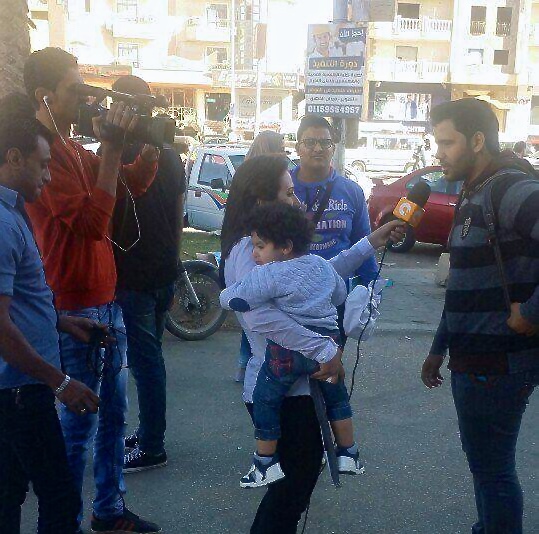
Lamia Hamdin ( Photo of journalist Lamia Hamdin via Twitter)

On the streets of Cairo, Lamia Hamdin, an Egyptian journalist for private Egypt station ON TV, was photographed holding her baby while doing interviews. The photos went viral on social media and triggered a flurry of responses. Some praised her as an ideal mother, while others called her behavior unprofessional. Hamdin said, “I was struggling and he had to go thru this with me, it was no picnic.”

 The story of Hamdin and her son has evoked many of my own childhood memories. For years, I was in the same position as Hamdin’s baby, accompanying my mother to work. And yes, it was no picnic. In an over-populated country like Egypt, with very few kindergartens, and even fewer babysitting services, mothers have always been torn between their motherhood duties and work obligations. Following the sudden death of my father, my mother faced the same dilemma; she had to work (spouse pensions were peanuts), but also had to look after me. My grandmother helped initially, but fell ill. With a limited support network, my mother opted for a bolder move; she took me with her to work when help was not available.

 The details are still vivid in my memories. It always started and finished with a dreadful bus/or metro journey from home to work and back. I used to count the stations, memorize their names, and ask my mother endless questions about their meanings, which she patiently answered.

 The tricky part was during working hours. It was no fun for a young child, but children can also adapt quickly. Like Hamdin’s baby who clearly did not scream or fuss during the interview, I also learned not to moan while my mother was working. In return, my mother tried everything she could to keep me entertained and occupied. She supplied me with drawing pens, paper, and many books. After she noticed that I enjoyed reading, she joined the nearby public library to secure a good supply of books. In addition, she used to give me blank paper, encouraging me to write my thoughts about every book I read, and to reflect on what I had learned.

 Just as Hamdin faced criticism and harsh remarks with the circulation of her photos, some too were unkind to my mother. The blame was mainly focused on her staying single, and not finding a husband that can “save her the hassle.” My mother, however, was defiant, graceful, and always stood her ground.

 The images of mothers, carrying their children to work symbolize a bold type of feminism that some do not find acceptable. The images of Italian MEP Licia Ronzulli in Strasburg parliament reflect a unique sort of defiance from a woman proud of both her baby and her career. For some, that is too much, they want to force women into an unpalatable either/or choice. That should not be the case. Our society should be supportive to its women, without bullying, criticism, or social pressure to stay at home.

 Egypt has always had tenacious women that have defied stereotypes, and in particular many fought hard to support their families. Last month, Egypt honored a woman, Sisa Abu Daooh, from Upper Egypt who, after her husband died, disguised herself as a man for 43 years in order to make a living for her daughter. From street vendors to top professional jobs, women are everywhere in Egypt fighting to earn a living and support themselves and their families.

 With hindsight, my days at work with my mother have shaped my life immensely and in a positive way. I gained knowledge, and learned to reflect. It has also helped me to be observant of _ frankly everything _ from nature and architecture to people and their social behavior. More importantly, it helped me to develop a sense of responsibility at a very tender age.

 The newspaper, Al-Watan, has quoted Lamia Hamden as saying that she has received a supportive phone call from the presidential team. Another report suggests that the president may meet Hamdin soon. That is encouraging, however, a small social gesture is not enough to help millions of hard-working Egyptian women. More needs to be done to support working mothers, from better maternity-leave contracts to various social support programs sponsored by the government and private institutions. It is about time that Egypt invests in its working mothers, as they are tremendous assets to the society.

Posted in Diary of Aak, Egypt | Tagged , , , | 1 Comment

Egyptian Aak 2015 – Week 15 ( April 6-12)

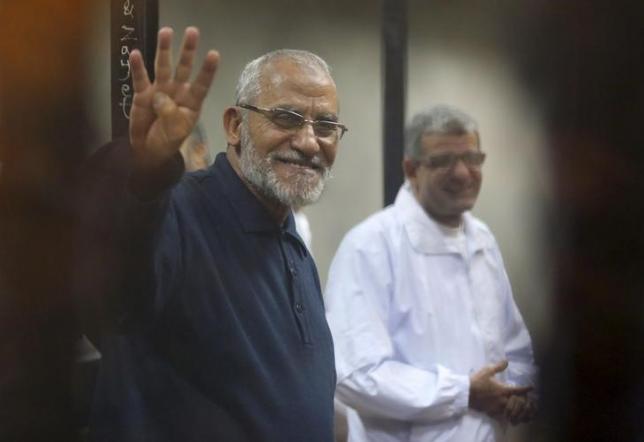
Muslim Brotherhood's Supreme Guide Mohamed Badie flashes the Rabaa sign as he stands behind bars during his trial with ousted Egyptian President Mohamed Mursi and other leaders of the brotherhood at a court on the outskirts of Cairo(Brotherhood’s Supreme Guide sentenced to death in Egypt – Photo via reuters)

Main Headlines

 Main Headlines 

Monday

Tuesday

Wednesday

Thursday

 Friday

Saturday

 Sunday

Good Reports

  • A freelance photojournalist forgotten behind prison walls. Mai Shams El-Din
  • No united front: Mixed messages from the Muslim Brotherhood on violence. Omar Said
  • American Civil War vets found success, blame during unique service in Egypt. Betsy Hiel
  • In Egypt, ex-military men fire up Islamist insurgency. Yara Bayoumy
  • Egypt’s ambassador to Yemen won’t rule out ground troops. Enas Hamed

Good read

 Photo Gallery

Statements

Interview

Egypt in Tweets


Plus

Finally here are Jayson Casper’s prayers for Egypt
Posted in Diary of Aak, Egypt | Tagged , , , , , | 1 Comment

In Photos: The hidden beauty of Iran

Away from politics and  the intense debate of the Iran provisional nuclear agreement, here is some of my collection of  photos from my visit to this fascinating country. And yes, I  felt more comfortable outside Tehran 

Shiraz: 

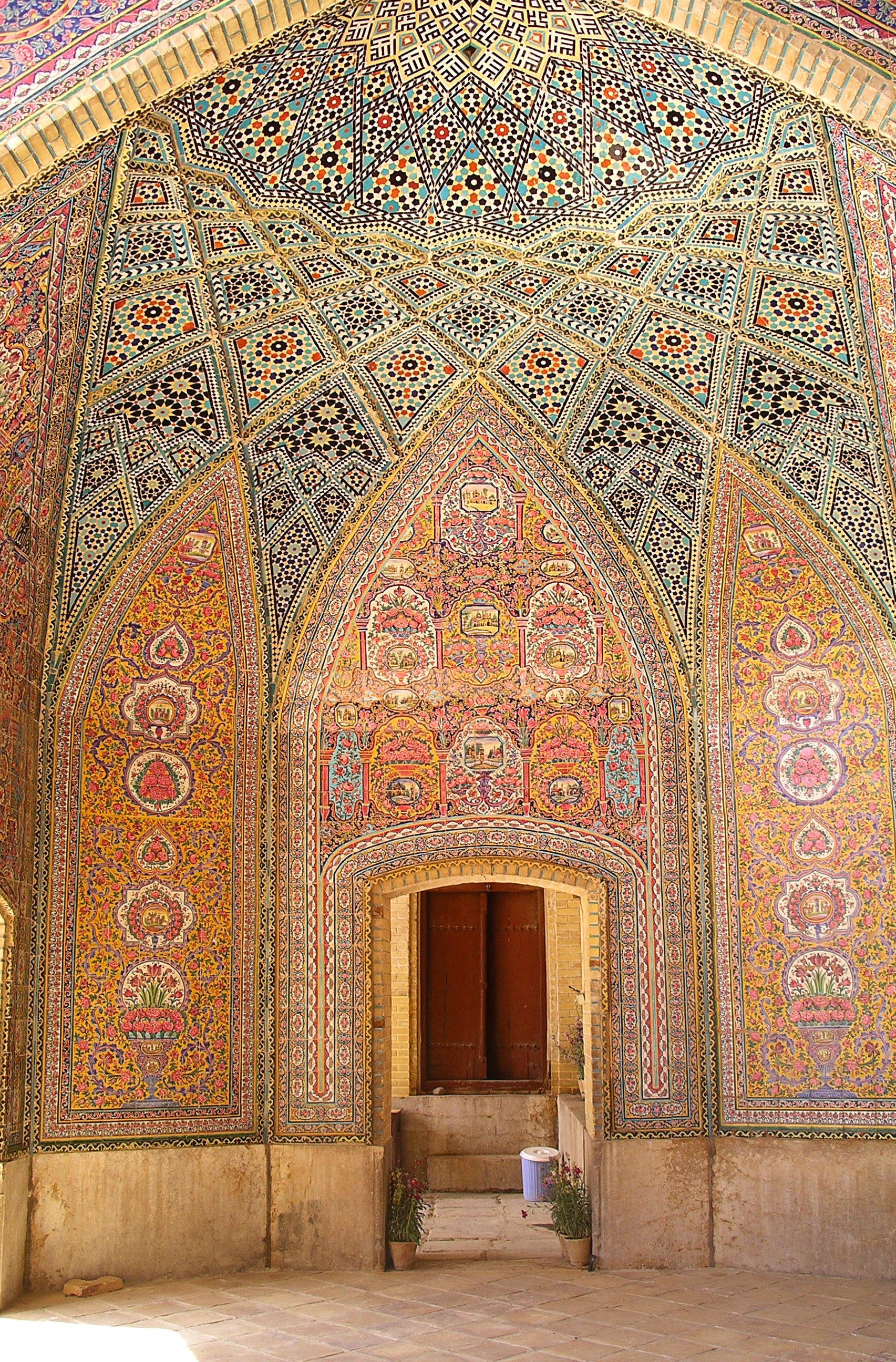
Pink roses are particularly dominant in Shiraz’s architecture.

Iran 2005 part 2 135

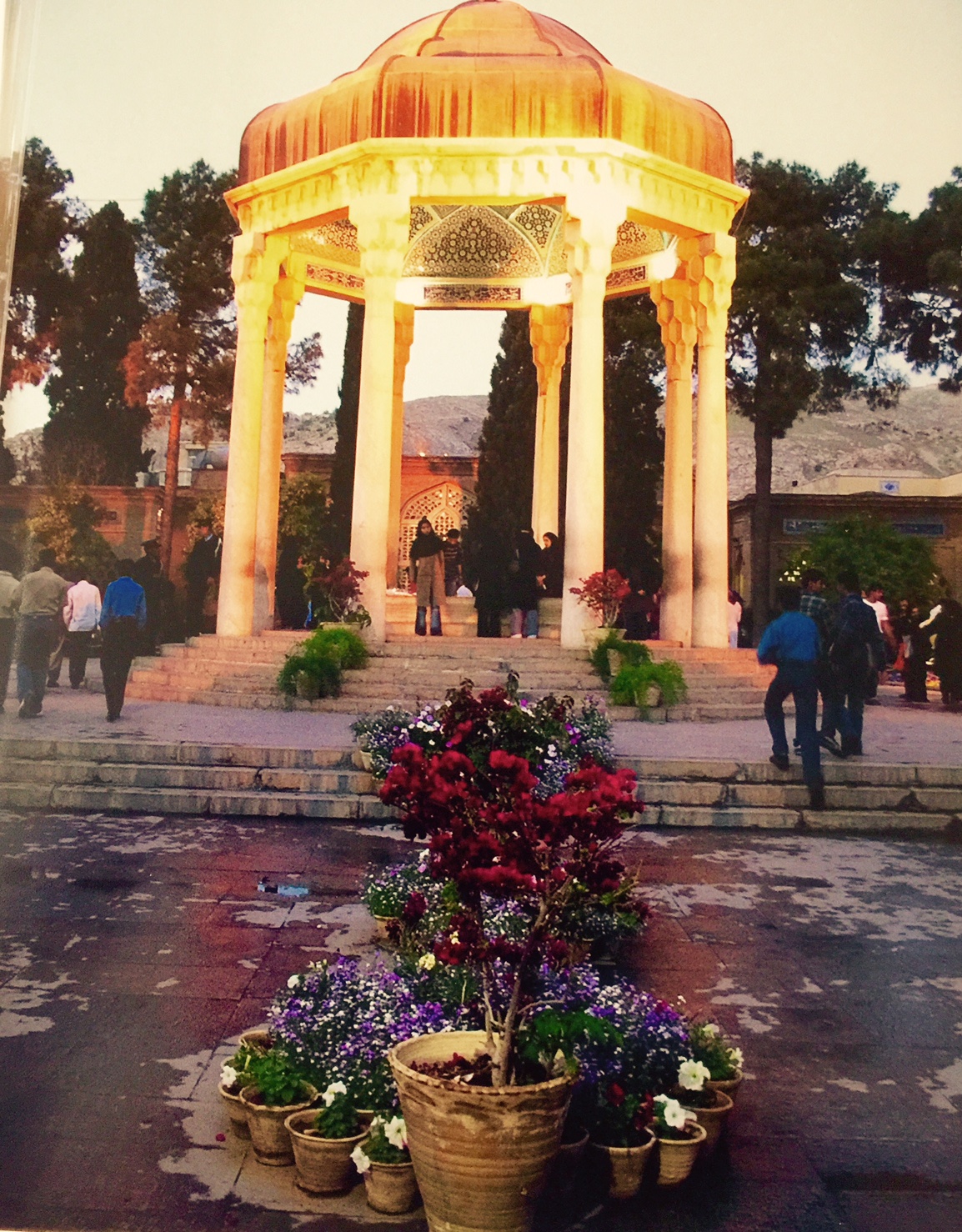
The romantic tomb of the great Iranian poet Hafez

Hafez

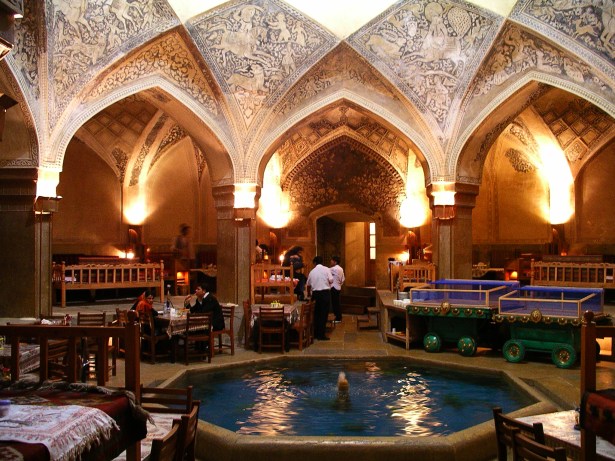
An old bath turned to a resturant

Iran 2005 part 3 109

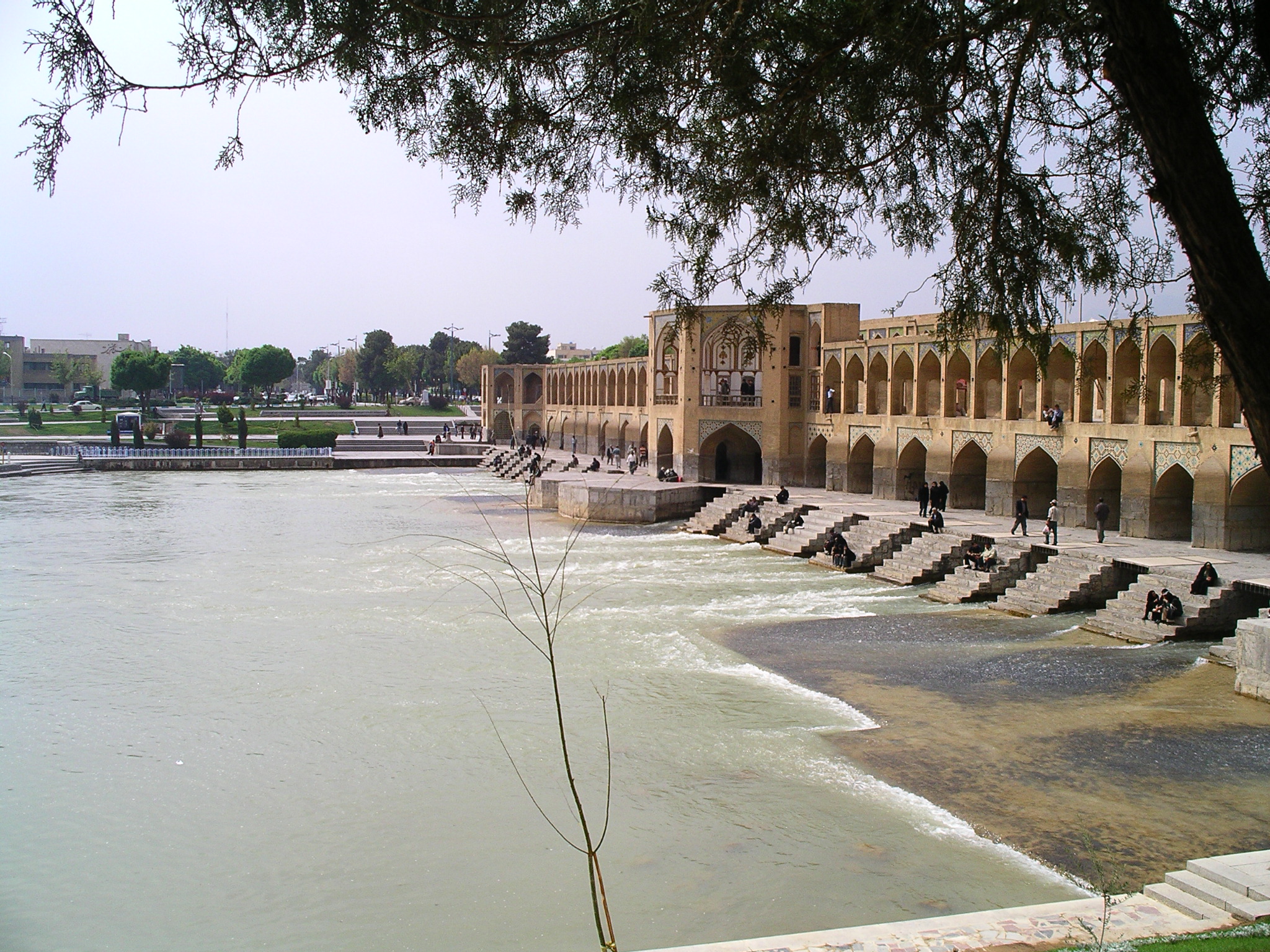
Isfahan

Iran 2005 part 4 040

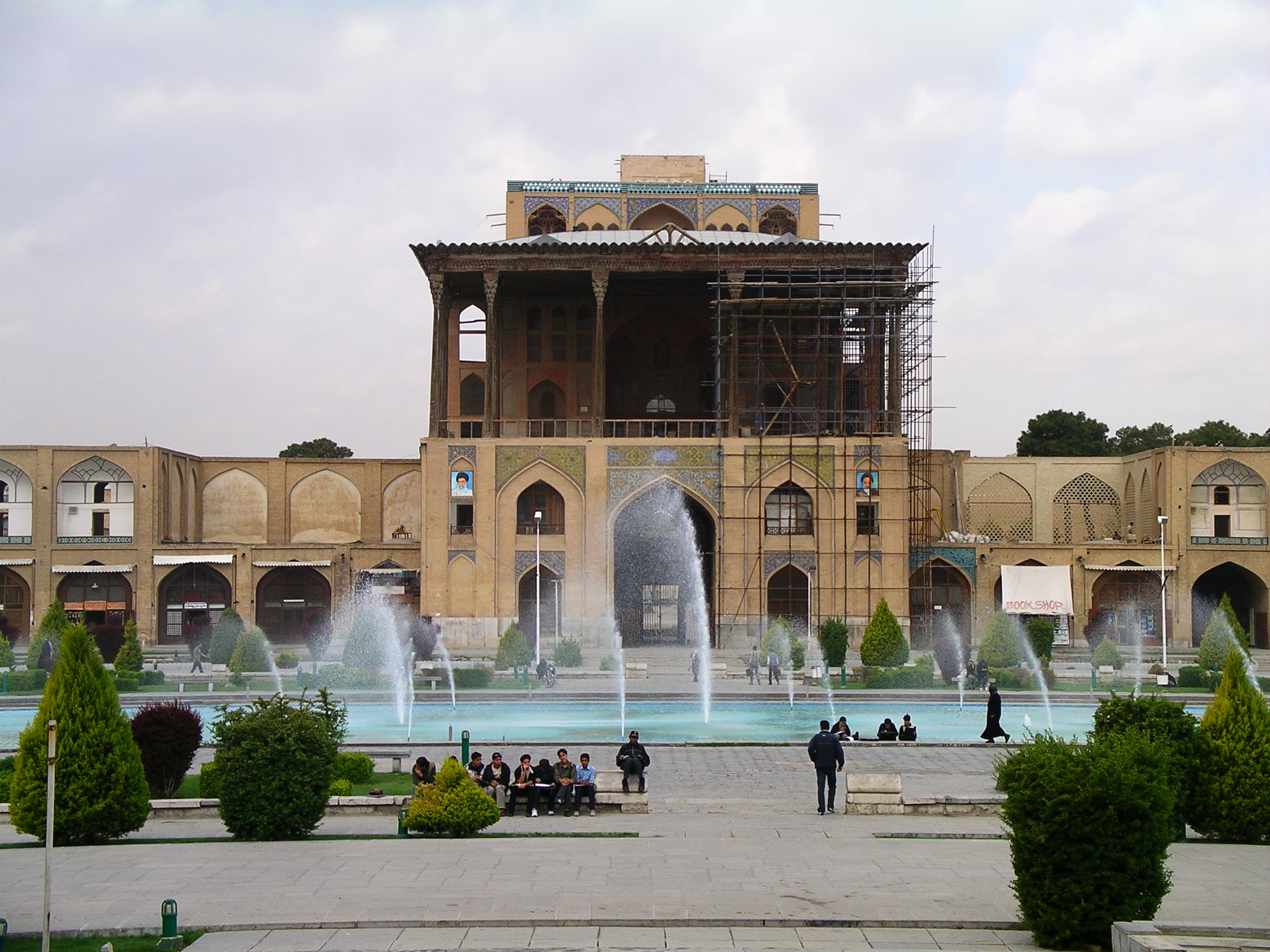
Ali Qapu Palace In Isfahan

Iran 2005 part 4 004

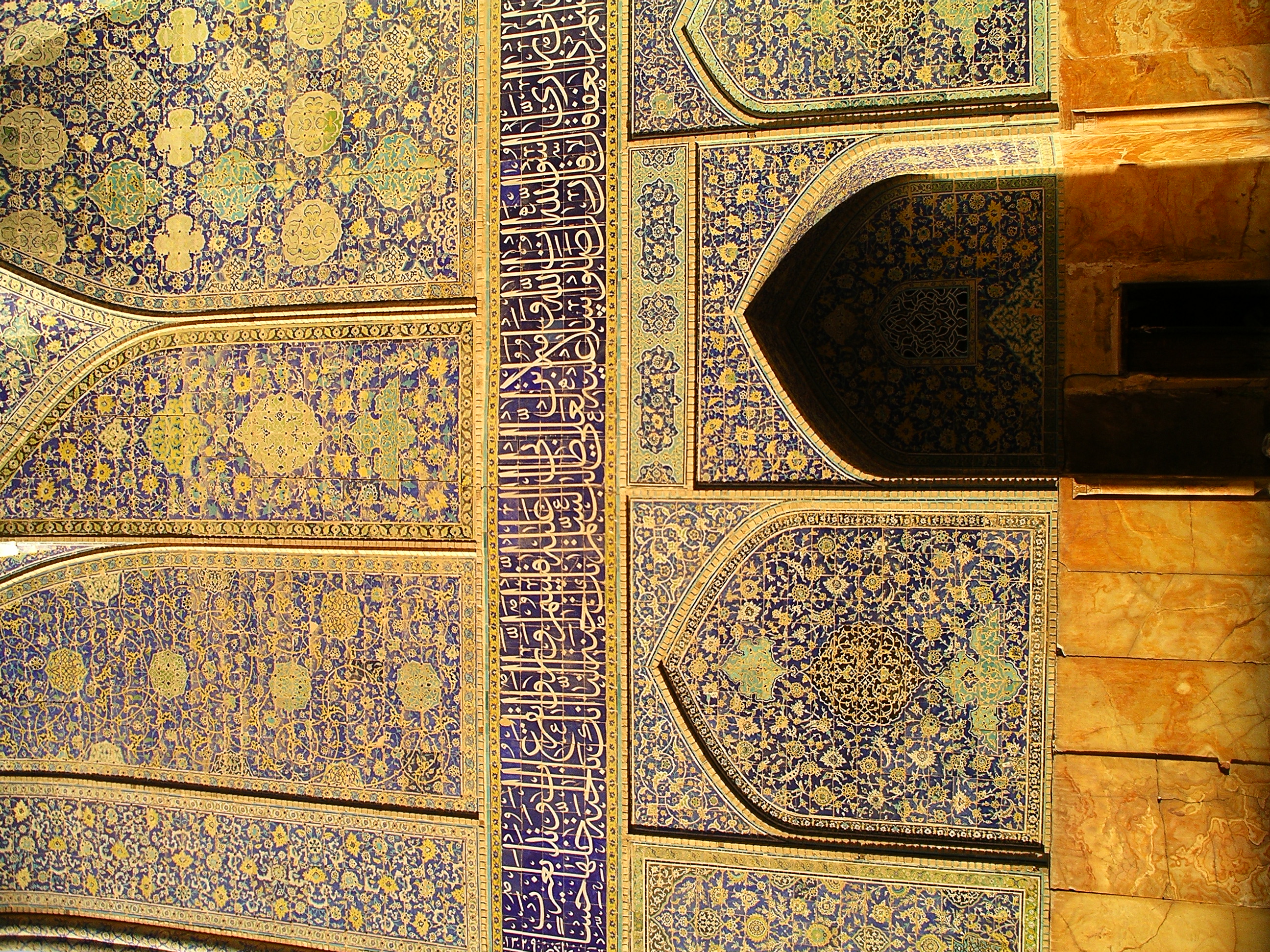
A Closer look at Isfahani architecture 

Iran 2005 part 5 010

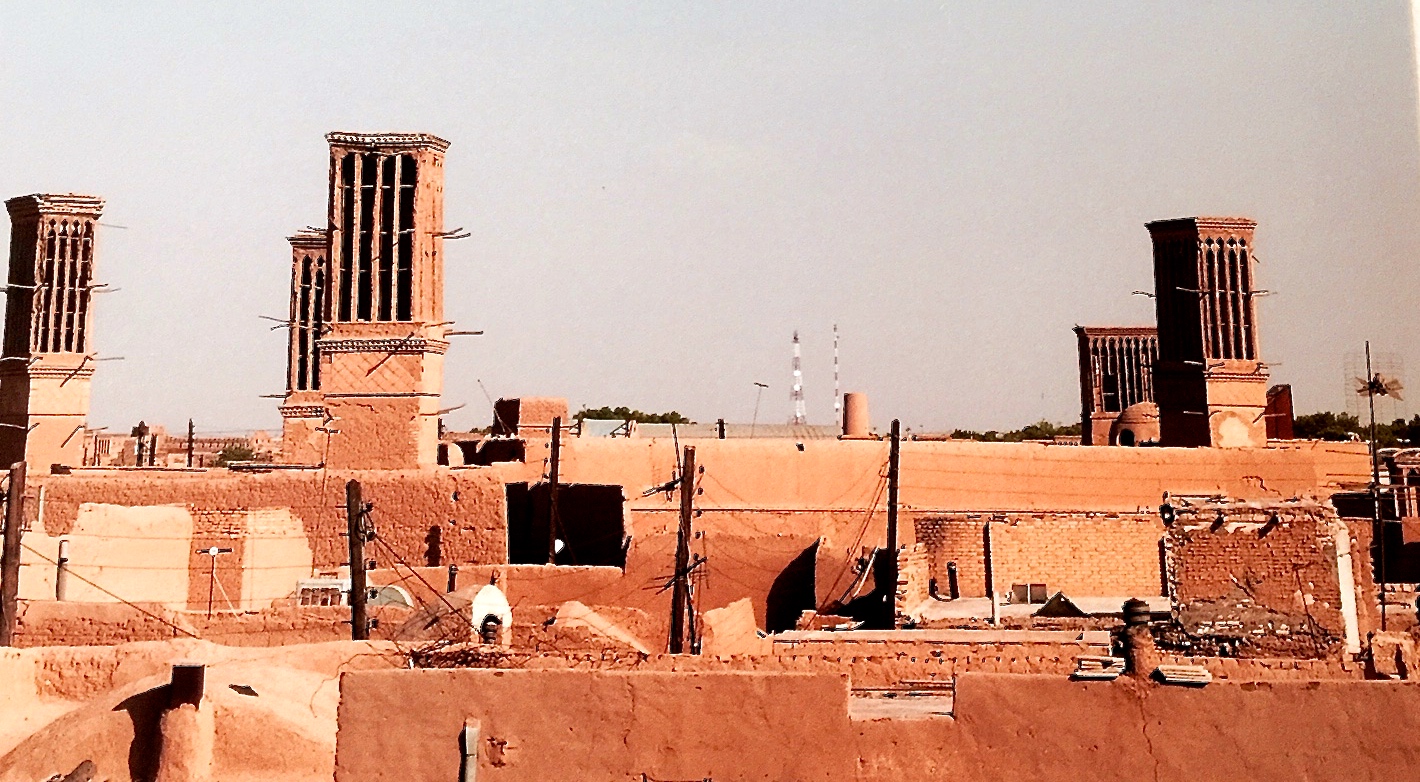
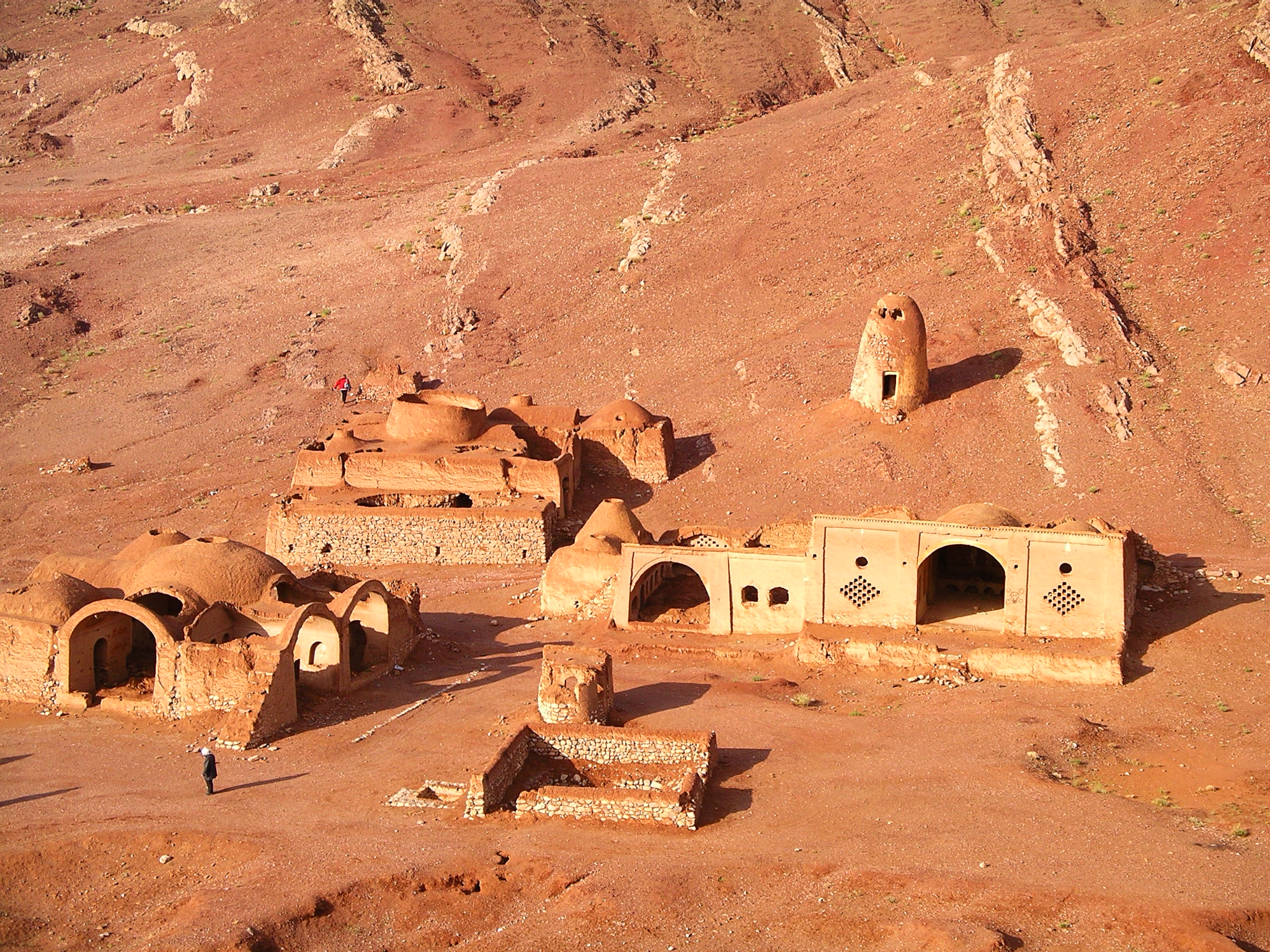
Yazd 

The best old and inhabitant city of Iran and an important centre for Zoroastrianism.

Its ancient mud-bricks houses are special insulation design.

Yazd 1

Remnants of Zoroastrian buildings

Z tomb

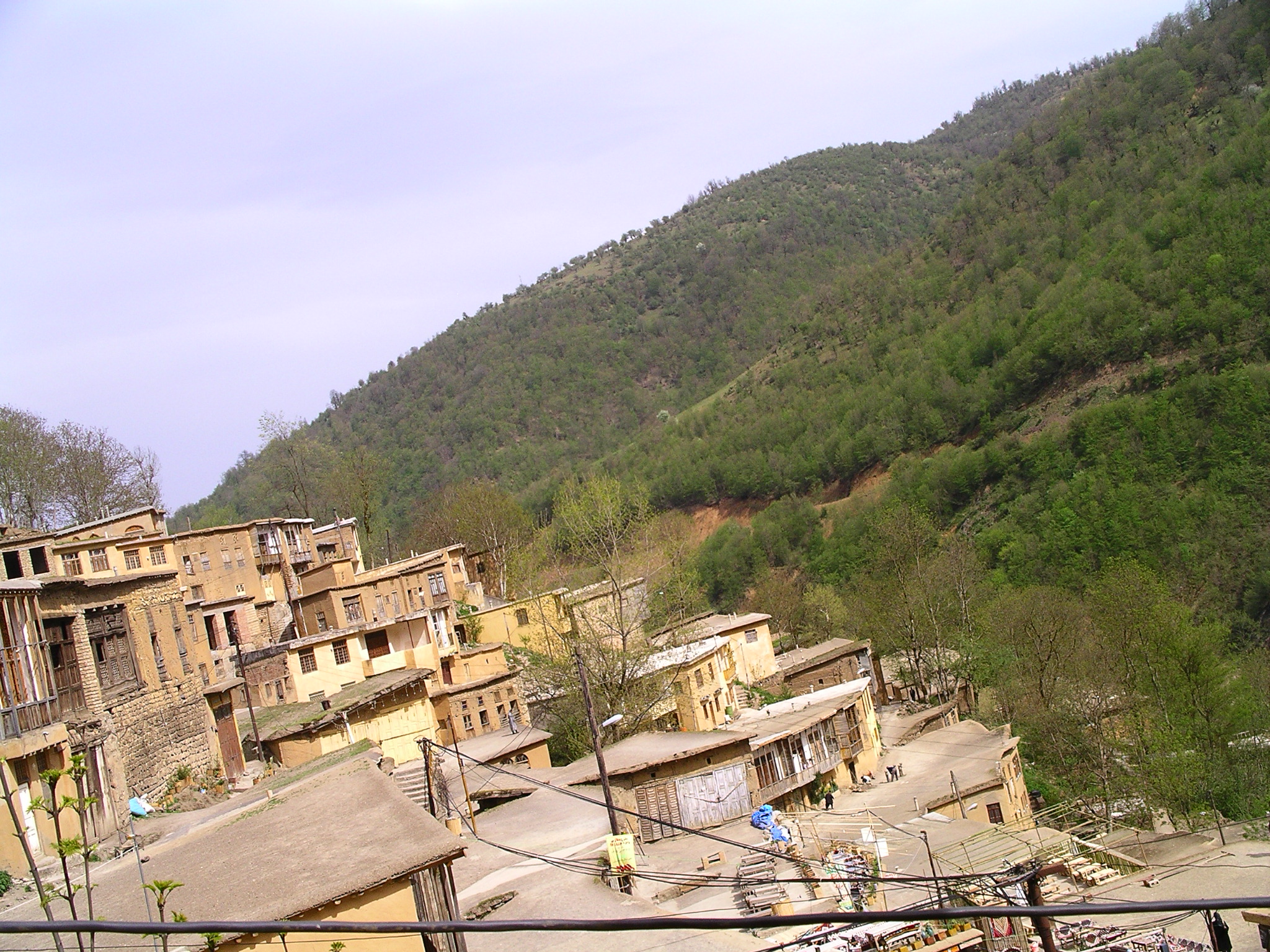
Masule

A breathtaking, unspoiled mountain village in Gilan province. It is formed by several irregular levels of terraced houses. It has few alleys, most are absent, and instead the flat roof of houses form a pathway for the level above.

Iran 2005 part 4 083

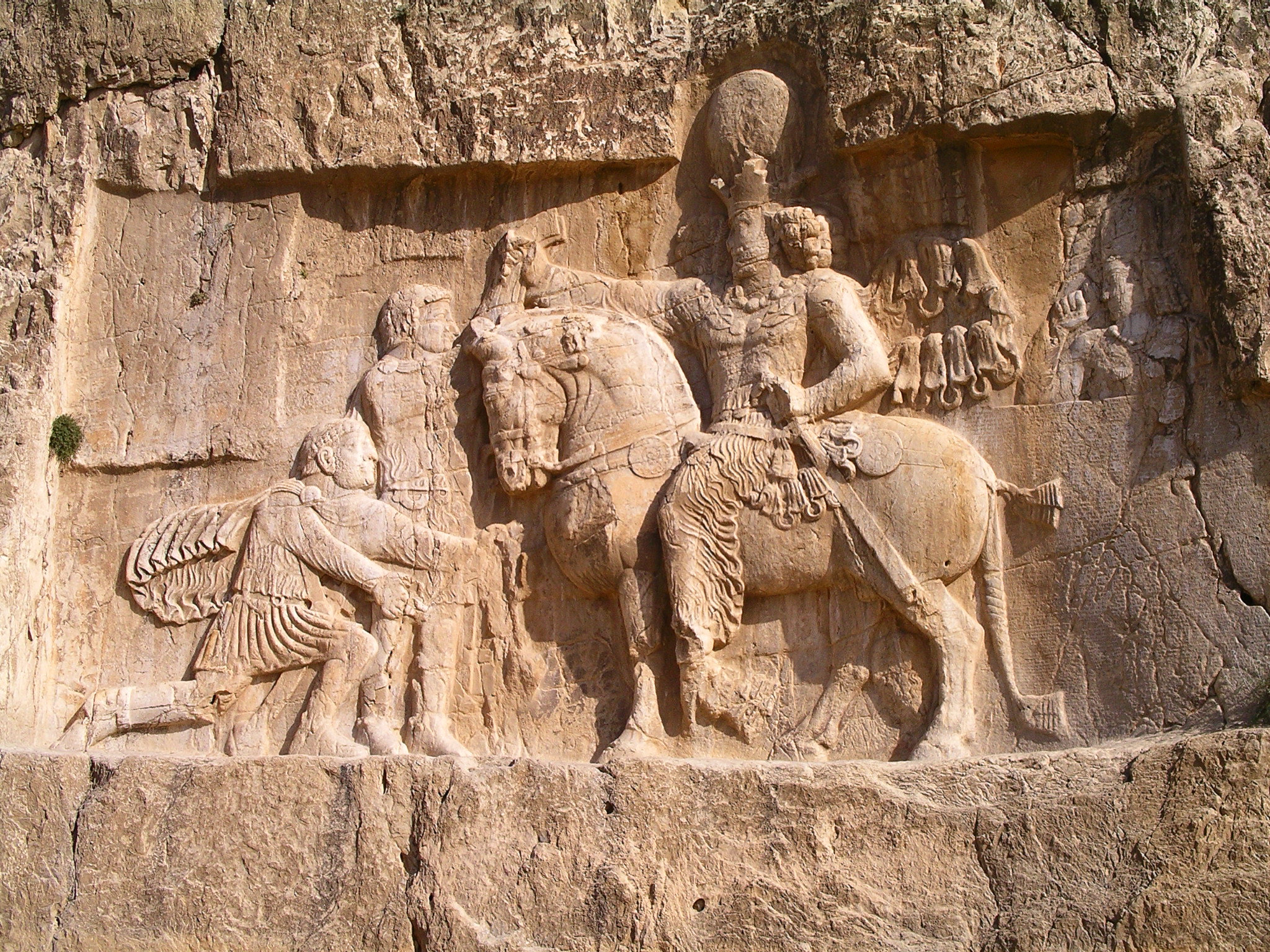
Persian History 

Naghsh -e Rostam: An ancient necropolis 12 km northwest of Persepolis.

Iran 2005 part 2 016

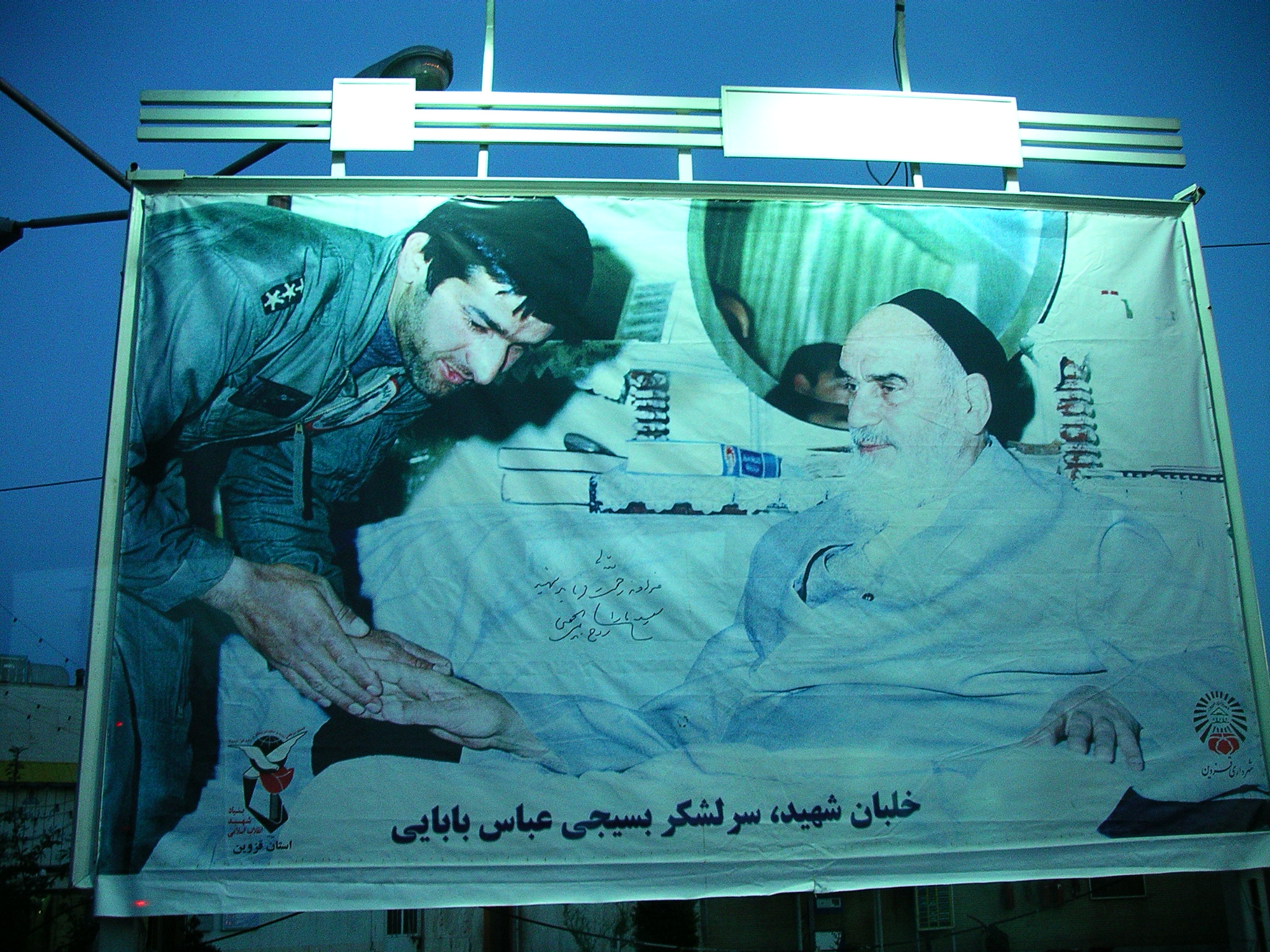
I refused to visit Imam Khomeini grave, but here one of many placards about him in Tehran

Iran 2005 part 4 049

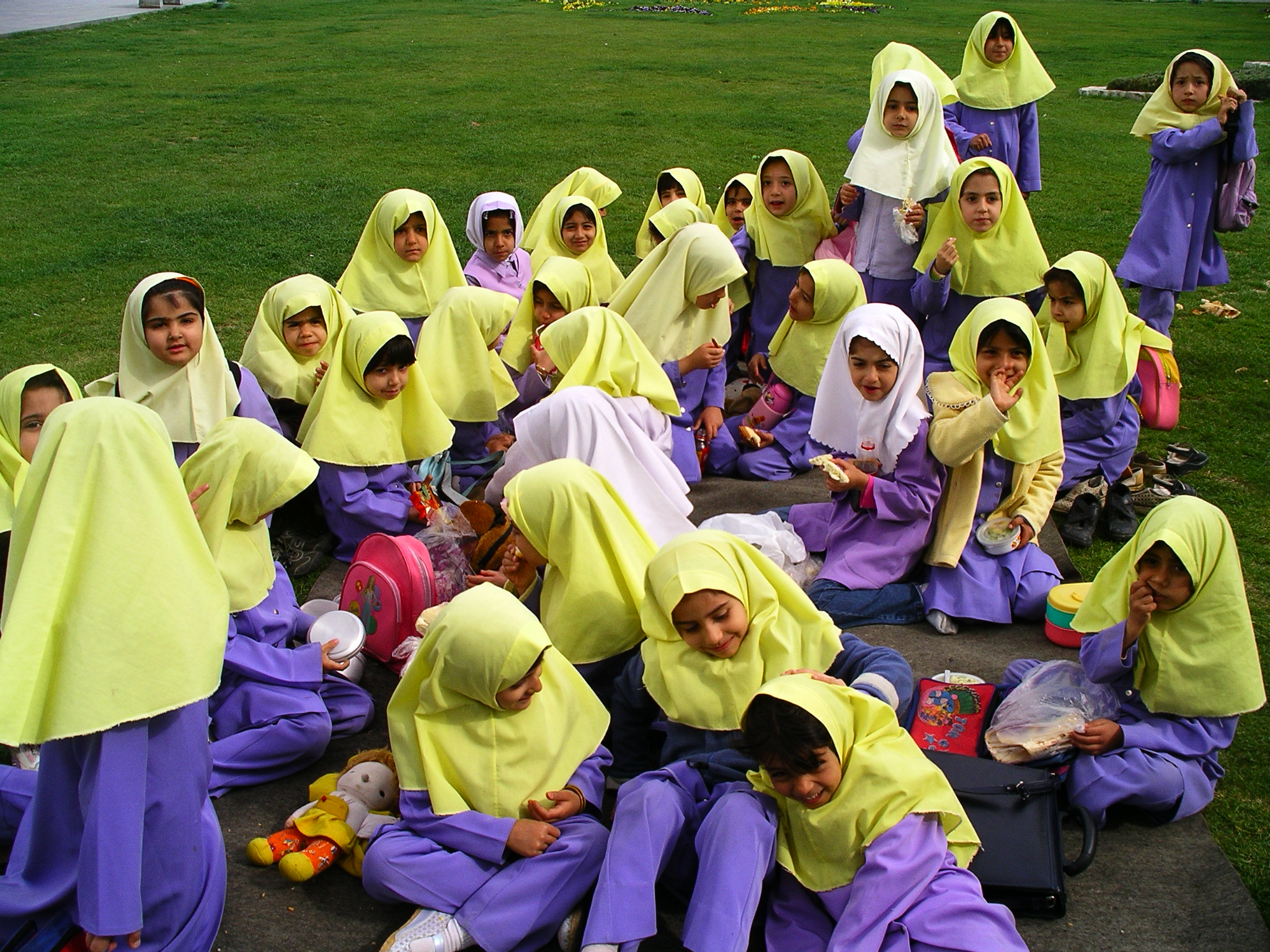
Gorgeous little Hijabi girls 

Iran 2005 part 4 010

 Alamut Castle ( death castle) that witnessed the intriguing history of Shia Nizari Ismaili, allegedly the first inventors of suicide fighters. 

Castle

The magnificent spring blossoms and the snowcapped mountains 

Blossom

Shia Islam

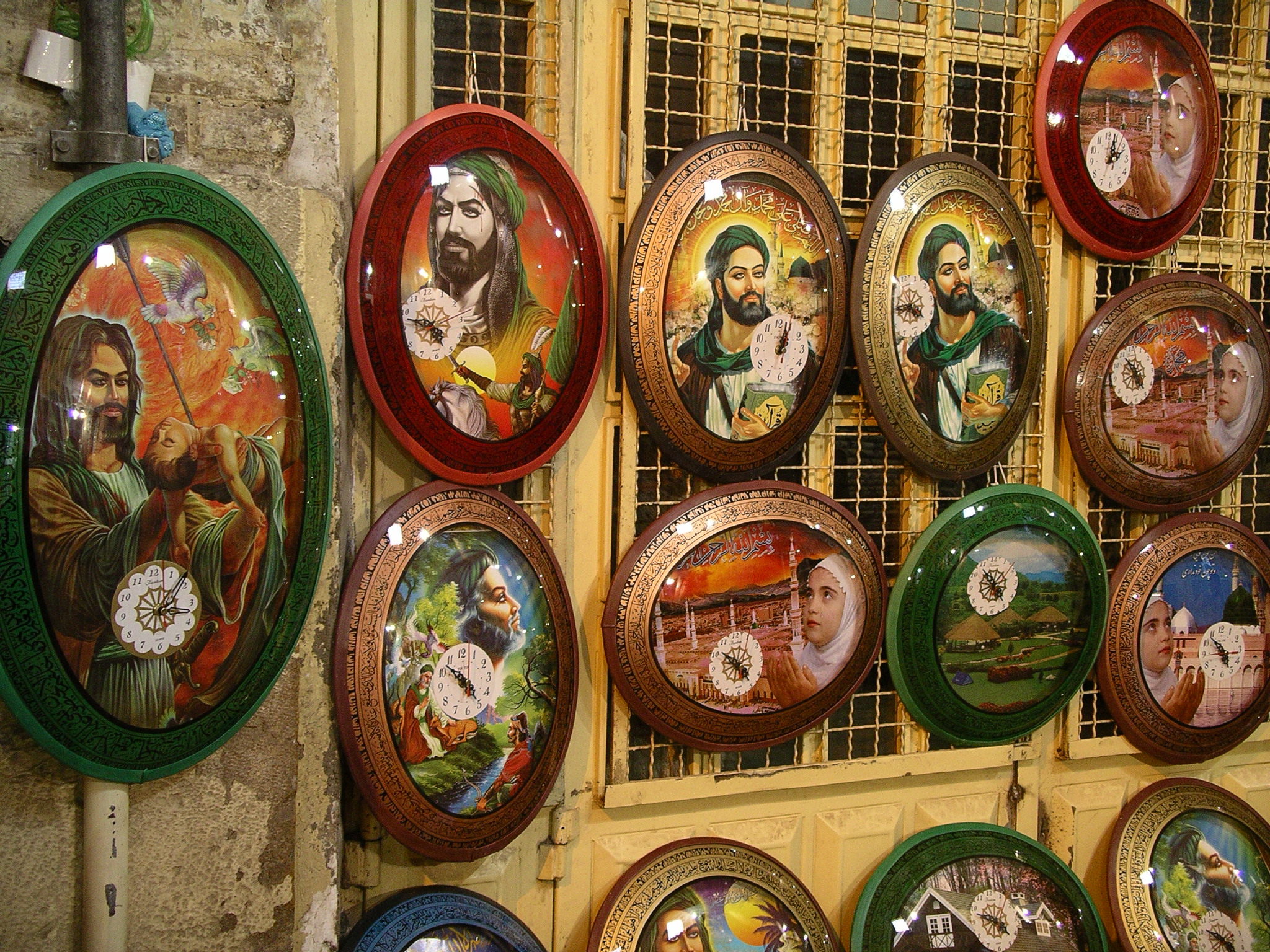
Shia do not mind depiction of the Prophet’s  male relatives

Iran 2005 part 3 024

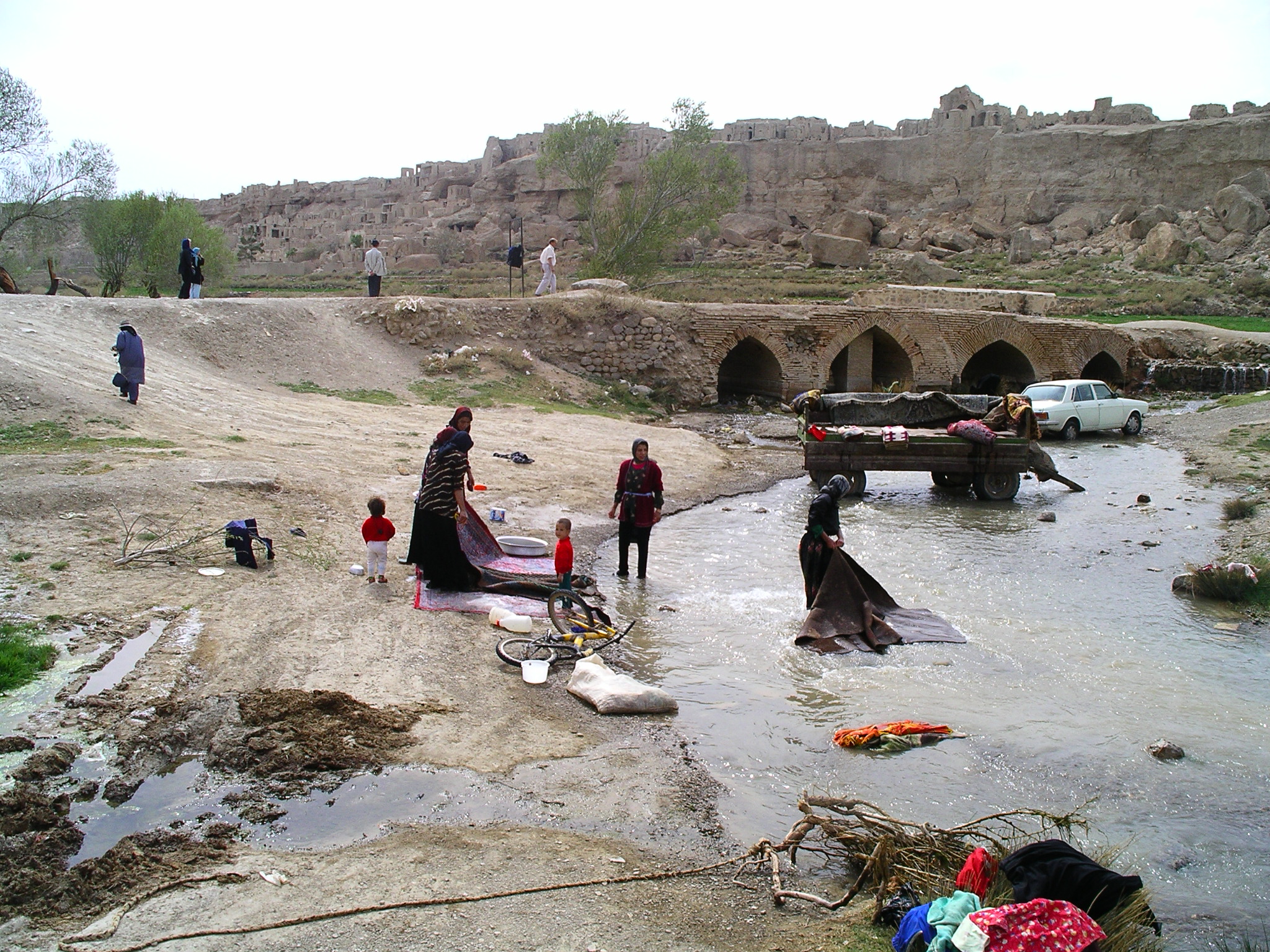
Tribal ladies 

Iran has many tribes, many of them produce distinctive rugs

Iran 2005 part 3 049All photos are mine. All rights reserved

Posted in Iran, Photo Essay | Tagged | 4 Comments