Lebanon, Syria, and the Death of al-Hassan

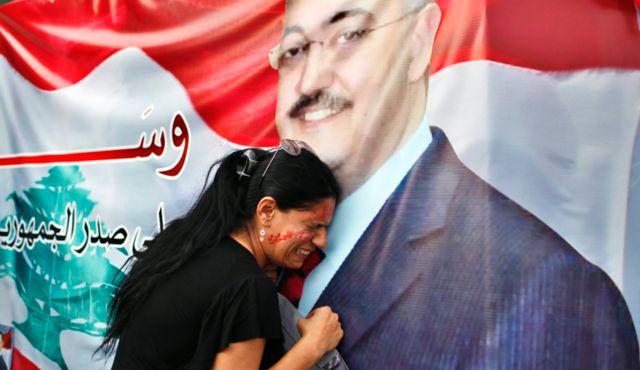
(photo by Reuters)

I’ve lost count – my bad math is not coping very well with the series of events that has been unfolding in Lebanon. Should I start from 2005 and the murder of the late Prime Minister Rafik Hariri? Or should I start from the civil war? Or even before? Political assassination has a long and tragic history in Lebanon.

The new name on this long list is Wissam-al-Hassan, a Lebanese figure who was well-known when alive and now, after his death, has become famous worldwide. Every print and digital media outlet has published reports on him, his crucial role in the future movement, the March 14th coalition and Lebanon as a whole. Following his murder, the usual pointing of fingers began immediately with Saad Hariri and Walid Jumblatt explicitly blaming Syria and the Assad regime, while the pro-March 8th and Iran blamed – as usual – Israel.

When it comes to the Middle East, the lack of transparency and accountability make it difficult to stay calm and rational and draw reasonable conclusions. In fact, political assassination in my part of the world is the fastest, easy way to settle the score and to create a foggy environment where the truth is deemed impossible to find. Nonetheless, I find it amusing that those whom in the past accused Al-Hassan of being an Israeli agent are now accusing Israel of standing behind his murder.

Though it is very plausible to point finger at Assad, I find it less convincing that Assad has conducted yesterday’s assassination without co-operation (or at least a nod) from the Iranians. On Twitter, Borzou Daragahi argued that: “The Beirut bomb shows how Syria’s and Iran’s interests diverge; Syria wants sectarian war in Lebanon; Iran needs Hezbollah to save weapons for Israel.” This argument is sound, but my question is can Assad afford to defy the Iranians and do it alone? I doubt it. Syria now is not a functioning state; the regime is bankrolled by the Mullahs in Tehran for survival; therefore, it is very plausible that the regime in Damascus planned and executed such a sensitive operation on its own as it may have a knock-on effect on Iranian allies in Lebanon (Hezbollah & Co.).

Michael  Young wrote: “It’s possible that Hizbollah, if it was indeed involved in the crime, had little latitude to refuse a Syrian request to get rid of the general. More likely, it saw an advantage in removing a man who was regarded as a favourite to succeed Gen. Rifi, and concluded that sectarian tensions could be contained. Above all, there was benefit in removing a Sunni who headed an institution, and had the skills, to stand up to Hizbollah in a post-Assad period, when the party will seek to consolidate its hold on Lebanon without Syrian backing.”

Indeed, the post-Assad period is what many chose to ignore. There are growing voices that advocate intervention in Syria under the slogan: “Assad’s survival threatens regional stability.”  I have no problem with that slogan, and agree 100% with the message; however, without identifying who is who in the Assad camp and what game the Iranians and their Lebanese allies are currently playing – i.e., convergence with Assad or divergence from him – any intervention in Syria would not achieve the required results.

If Hezbollah was involved in the assassination of Al-Hassan, then ending the Syrian regime alone would not bring the desired stability that the Syrian people and their supporters aspire to achieve. The militant group is capable of orchestrating violence in post-Assad Syria if they want; after all, they had years of practice in undermining nation-building. Even if Hezbollah is not involved in this crime, it is unlikely that they will sit down and watch Syria evolve into a hostile entity that may interrupt their crucial supply line. So, in both scenarios, any plan for Syria should include a plan for Lebanon.

The murder of Wissam Al-Hassan could be part of Hezbollah’s plan for the day after Assad, precisely why It should be viewed as a wake-up call for the anti-Assad camp to understand the scale of the task that they need to achieve. There is one rule that governs both Syria and Lebanon: what starts in Syria never ends in Syria, and what starts in Lebanon never ends in Lebanon. Both countries are still tied together in one package – if Assad’s departure ends half of the story, then Hezbollah might not end the other half. It is wrong to underestimate Iran and its allies. As Mehmet Ali Birand wrote: ” Iran has a culture that invented chess.”

Posted in Lebanon, Syria | Tagged , , , | 4 Comments

Our Own Mongols

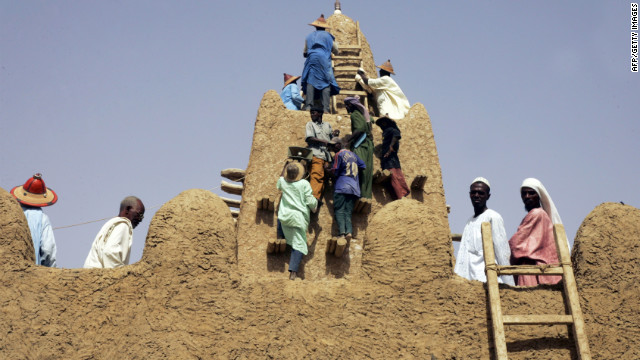
(photo CNN)

In 1258, under the leadership of Hulagu Khan, Mongol forces invaded Baghdad, massacred its inhabitants, burned its prestigious library (the House of Wisdom), and used the books to literally form a bridge across the Tigris River. It is difficult not to draw parallels between this tragic moment of history in 1258 and the current, contemporary events taking place in Mali, Libya, and Tunisia. Although the modern shrines are not as sophisticated or unique as the medieval Baghdad and the culprits are not a foreign army as the Mongolians, the savagery and impact are eerily similar.

What is striking about these modern-day Mongols is how they are insiders, often natives of the countries they ravage. The new warriors proclaim to be devout Muslims and puritans who want to cleanse what they perceive to be as signs of impurity and evil from society. Yet such proclamations beg the question: How does a group of young men embark on a mission to destroy their country’s heritage? A culmination of factors have slowly emerged in the contemporary Middle East, leading to the prevalence of this phenomenon of savagery—from the Taliban in Afghanistan to the radical Salafis in post-Arab-Spring countries like Tunisia, Libya, and Egypt.

First, semi-secular dictators have used fake secularism to ensure the survival of their regimes; they invented a toxic mix of oppression, torture, and deliberate (yet subtle) policy of promoting decadent lifestyle and corruption—a mix that readily facilitated the security of a long half-life for their regime. Yet such a recipe also yielded a deep-seated hatred for Western values and the way of life that has been perceived by the public as part and parcel of the web of tyranny. The lack of understanding of what secularism means is part of the tragedy of the Middle East. Even prominent Islamists easily confuse the concepts of secularism, liberalism, and non-Islamism. The jungle of blurred adjectives reflects a foggy, uneasy perception of the “other” that has ultimately paved the way for literalism as a safe approach for the salvation of te society. It does not take much for the anti-Western stance to evolve into an opposition of other Islamic groups that are perceived to be deviating from the “correct path.”  Sadly, the mostly peaceful Sufi Muslims and their mausoleums were the first to pay the price.

The second factor is a weak state, either weakened by the Jihadists themselves, as in Afghanistan and Mali, or exploited by such factions due to a lack of security. Once law and order disintegrate, it does not take much for a gang of men to commit their crimes and disappear, knowing full well that they can get away with these acts. The problem is compounded by the lenient approach of Islamist regimes to their fellow “moderate” Islamists—previous comrades who fought together will not easily turn against each other. The apparent soft reaction from Libyan authorities is just one example; the alleged perpetuators of this act were part of the anti- Gaddafi militia, who fought together during the Libyan uprising (among others).

Finally, such hard-core Islamists are armed by fatwas from self-proclaimed preachers with a very one-directional interpretation of Islam. Make no mistake—these fatwas are as old as Islam itself, but they flourish especially during times of instability. Once crisis begins to loom, the lords of fear start to dominate the religious scene, advocating the static thinking that is imprisoned within the 7th century Islamic way of life. Anything perceived as different is automatically forbidden. To these dictators, banning is safer than allowing, an approach that appeals to the vulnerable and distressed. It has been interesting to watch a group of young Libyans on one of the satellite channels, justifying the destruction of Sufi shrines. When asked, “Why the rush?” One replied, “What if we died tomorrow—how can we justify inaction in front of God?!”

For the dogmatic puritans, Mosques should not be built over tombs, and those shrines advocate heresy as some pray asking for help and support from the buried Imam. According to this logic, many mosques should be destroyed, from the al-Husain Mosque in Egypt to the Umayyad Mosque in Damascus (where Prophet Yahia − John the Baptist is buried). What about the Prophet Mosque in Medina? Is it exempt from such a rule?

In the post-Arab-Spring Middle East, there is an ongoing contest between two forces: those who want a new, dynamic, progressive, free society and those who want to drag the society back to the Dark Ages. The key factor that may decide the fate of the contemporary Middle East is the policies of the so-called moderate Islamist parties. Once in power, they have the responsibility to enforce the rule of law and fight extremism from within. The “soft spot” for fellow Islamists should not be a barrier that prevents their accountability under the law. Ruling Islamic (or semi-Islamic) parties also have to fight rogue imams who easily issue fatwas against nearly everything; they also have a duty to restore a dynamic approach to faith and life under a more articulate, clearer vision of the purpose of Islamic laws—the same dynamic approach that once made Baghdad the capital of knowledge in the medieval era.

The modern Mongols are a test that political Islam must face if it wants to stand a chance of succeeding as a viable alternative to the Western contemporary model. The destruction of ancient Baghdad had formally ended the Arab-Islamic Golden Age; it took the Mongols 400 turbulent years until one of their late emperors, Shah Jahan, built the beautiful Taj Mahal in India ( the first Mughal emperor could trace his blood line back to Chinggis Khan). Let’s hope the post-Arab-Spring countries do not take that long to rehabilitate their wild, dogmatic youth.

Posted in Egypt, Libya, Mali, Tunisia | Tagged , , , , , , , , | 3 Comments

Turkey, Syria, and the Cyprus Scenario


In his article in The New York Times,  Sonar Cagaptay cited possible scenarios for Turkish intervention in Syria: “If the situation continues to escalate, Turkey’s history suggests that it is likely to follow one of three paths: continued low-intensity shelling, cross-border strikes or an actual invasion.”

Cagaptay went on to describe a third option: “Turkey may go even further, staging a limited invasion to contain the crisis as it did in Cyprus in the 1970s. At that time, Ankara waited patiently for the United States and the international community to come to its aid in Cyprus. When such help did not materialize, Turkey took matters into its own hands, and landed troops on the island.”

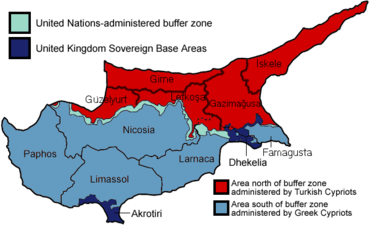
The fact that Cyprus has emerged as a possible scenario for Syria indicates that Turkey did not reflect enough on its history; the invasion of Cyprus did not solve the problem, but rather further complicated it. Leaving the Syrian factors aside, North Cyprus represents the worst possible scenario for Syria. I visited North Cyprus a few years ago, and though it was quiet and peaceful, it lacked economic development and infrastructure in comparison to the South. It relies entirely on Turkey, politically and economically, even in tourism – you have to fly to Turkey before heading to Kyriena (the biggest city in North Cyprus). Forty years after the Turkish invasion, North Cyprus remains in limbo; it has benefited neither from the booming economy of Turkey nor from the EU membership of the South.

At least North Cyprus has some sort of a stable status quo, but this is unlikely to be achieved in the case of Syria. Any unilateral Turkish invasion that carves out part of Syria under Turkish patronage, but keeps the Assad regime in Damascus, may protect Turkish villages along the border but would not lead to stability within Syria – it would just initiate a new phase in the conflict. At best, it would create a massive wave of immigration of anti-Assad Syrians toward the Turkish control zone, leaving the Assad regime to solidify its control of the rest of the country and chase the free Syrian army militants within its territory.

The worst-case scenarios are many: the continuation of fighting between the free Syrian army and the Assad regime with the Turkish army becoming directly involved, PKK operating inside Turkey from its Syrian bases – even if most Kurdish factions reach a deal with Turkey, the ones backed by Iran will not, as Cagaptay admitted in his piece. The PKK, however, would not be the only spoilers in town; Assad, Hezbollah, and Iran’s agents would also be around.  A North Iraq option might not be easily secured, and Turkey might end up dragged into the deep end with Assad.

In theory, intervention in Syria should be initiated by a coalition of forces – not Turkey alone – and with defined rules for each partner within this coalition for post-Assad Syria. However, the United Nations and its envoy Ibrahimi advocate de-escalation and a political solution. The true solution should be both – namely, a political solution that is pushed under the umbrella of a serious threat of military intervention.  So far, Assad sees the international community as fractured and divided, so why should he compromise?  On Friday, the Obama administration stated that the confiscation of a shipment of Russian-made equipment on its way to Damascus did not violate sanctions. This is not the attitude of an administration that is edging toward war. The frustration of Ankara might be received with sympathetic ears but not with a coordinated action plan from its allies.

Exit strategy:

Whatever the plan Turkey has for the Syrian conundrum, it should include a clear exit strategy. How long would the Turkish army stay? Under what mandate and what responsibility?  And what is the plan for the day after? Surely the image of George Bush with the slogan “mission accomplished” is still fresh in the minds of many in the Middle East. Turkey should learn from others’ mistakes.

There are plenty of models on the table (Cyprus, Iraqi Kurdistan, Bosnia) and all share one outcome: division – or de-facto division– of the land. Not what Turkey should have for Syria. Therefore, if the international coalition fails to materialize, Turkey should continue what it is currently doing – low-intensity shelling and cross-border strikes – plus supporting the free Syrian army; it should resist the temptation to do more. Showing resolve is one thing; being dragged into open-ended adventure is another. Cagaptay admitted that the Cyprus scenario is the least desirable. That is not enough. In my opinion, it should be completely off the table. If Turkey cannot help Syria, it should at least cause no more harm.

Posted in Politics, Syria, Turkey | Tagged , , | 2 Comments

Turkey and the pitfalls of the Ottoman revival

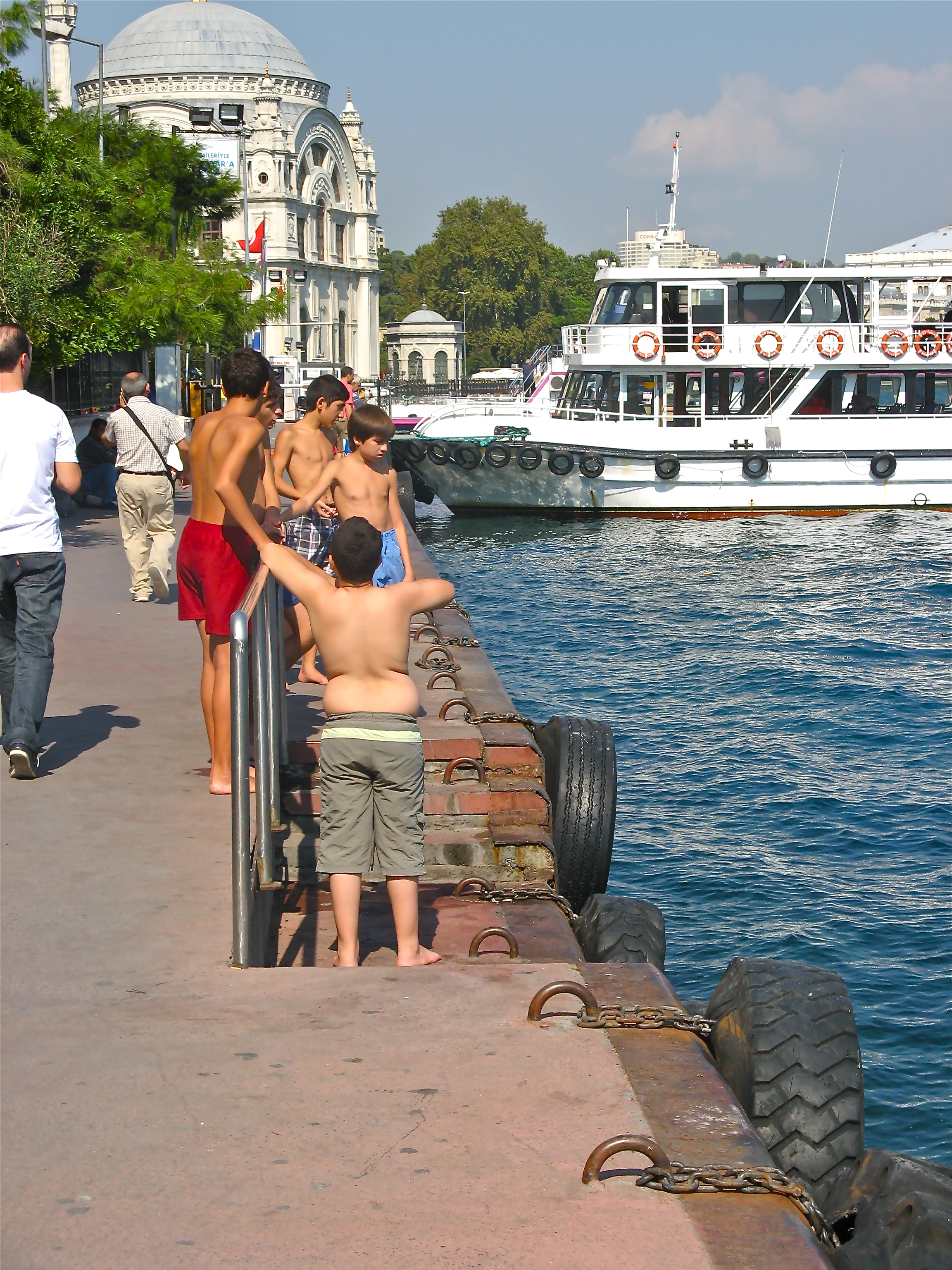
It smelt of Ottoman, it tasted of Ottoman, and it certainly looked like Ottoman. During my recent visit to Istanbul, I could feel the growing sense of pride among many Turks regarding their past and their desire to revive it. Turkey is changing fast, and it is starting to look with serious interest toward its Arabic neighbors. While there, I heard more Arabic in Istanbul than English or French, from tourists, workers, and refugees, an eclectic Arabic mix that gave this eternal city a unique feeling.

This is not just my impression; it has also been articulated by Turkish officials on various occasions. Last week, the Turkish Foreign minister Davutoglu outlined his government’s Middle East policy in an interview with the Al-Jazeera Arabic TV channel. He reiterated his vision of “a new Middle East” based on cooperation between its nations. Davutoglu’s views are not new; he expressed them before on countless occasions, such as last April, when he said, “Turkey is set to carve itself a primary role in shaping the Middle East as it guides the ‘winds of change’ in the region.” Although Davutoglu formally rejected the charge that he’s a “neo-Ottoman,” a term that is misused and abused these days, he indirectly referred to the Turkish past on several occasions during the Al-Jazeera interview, as the past has always been part of the explanation of current policies.

Ironically, the TV interview was broadcasted after the small town of Akcakale—on the border of the Şanlıurfa Province—was shelled by Syrian forces, and five civilians, including a woman and her three kids, were killed. These winds of change are turning out to be stormy and dangerous. What is even more interesting is how many in Turkey responded to the events on the border; within hours of the incident, the hashtag ‪#savaşahayır‪ (Turkish for “No to war”) was trending at number 3 worldwide on Twitter, and according to according to Time World, a recent poll shows that 76% oppose a unilateral military action. Many are understandably angry and want some Hawkish retaliation, but not many support long, draining Turkish involvement in Syria.  Yes, the Turks love their Ottoman glory, their Ottoman cuisine, and their exotic environment that appeal to tourists, but they are not willing to get involved in a mess and pick up the pieces for a new Ottoman adventure.

The challenges that currently face the Turkish government in Syria reflect far deeper flaws of its background ideology, its perspectives, and its hasty involvement with the Arabs.

For starters, what the Ottomans have achieved through military power would not be achieved by a soft economic approach that ignores the political dynamics within each neighbor state and the competitiveness of other soft powers in the region.

Second, the revisionist-Ottomans may be moderate, but they never embarked on a reformation journey of Islamic thoughts that counter the rise of Whahhabism and literalism within the Muslim world. They may abhor radicalism, but they have done little to confront it, a mistake that may come back to haunt them, as their involvement with Syria is getting deeper every day.

Third, the alleged Turkish model: At first glance, Turkey may look as if it can provide a viable model that other Arab-Countries can emulate. However, upon diving deep into Turkish society, it is easy to spot that the relationship between Islam and secularism in Turkey is tense and shaky; at best, it is a form of cohabitation and not true marriage. Thus far, Turkey has failed to articulate a non-Western version of secularism that protects the faith in society without manipulating its political scene. For Arab nations that are already skeptical of Western secularism, Turkey is not the example to follow.

It is essential for Turkey to pause and reflect on its Middle Eastern policy and on what kind of model it would like to present to the Arab world. In addition, there are serious questions that should be answered first before they finalize any future plans regarding their neighbors; in particular, Syria. What is Syria after?  Is retaliation and defense or liberation of Syria from the Assad regime?  How far inside Syria is Turkey willing to go? Today Prime Minister Erdogan highlighted his fear of loss of human lives as a reason behind the Turkey restraint response. I have no doubt that this is in the back of his mind, as it should be while he assesses the risk and benefit of any future operation.  Another question that must be answered is whether Turkey is willing to pick up the pieces of post-Assad Syria. One lesson Turkey can learn from the Palestinian tragedy is that neighbors always help pick up the pieces.

The Syrian revolution is a victim of its dictator ruthlessness, but it is also the victim of foreign powers’ reluctance to unify and formulate a coherent plan to save its innocents from a bloody fate. A Syrian policy based on half measures would be similar to reforms that were once conducted by the old Ottoman Sultans; it came as too little, too late, and failed to save the country from collapse. One thing Syria does not need now is partial solutions; the pundits who advocate arming the rebels are  reckless in their assessment. Heavy weapons without a coordinated broader plan won’t free Syria but can certainly be the first step toward its division. If this indeed happened, then Turkey will inherit the “liberated Zone,” with its bickering militia and distraught civilians, the PKK and Hezbollah agents will be the icing on the cake.

Posted in Syria, Turkey | Tagged , , , , | 3 Comments

Photo Essay: Istanbul

Istanbul is a city that I love  (for many reasons , many personal), it is  very charming, old and new melt together in one unique place.

Few weeks ago, I revisited the city, in search of the ‘Turkish Model.”  here are some of my photos.

All photos are mine:

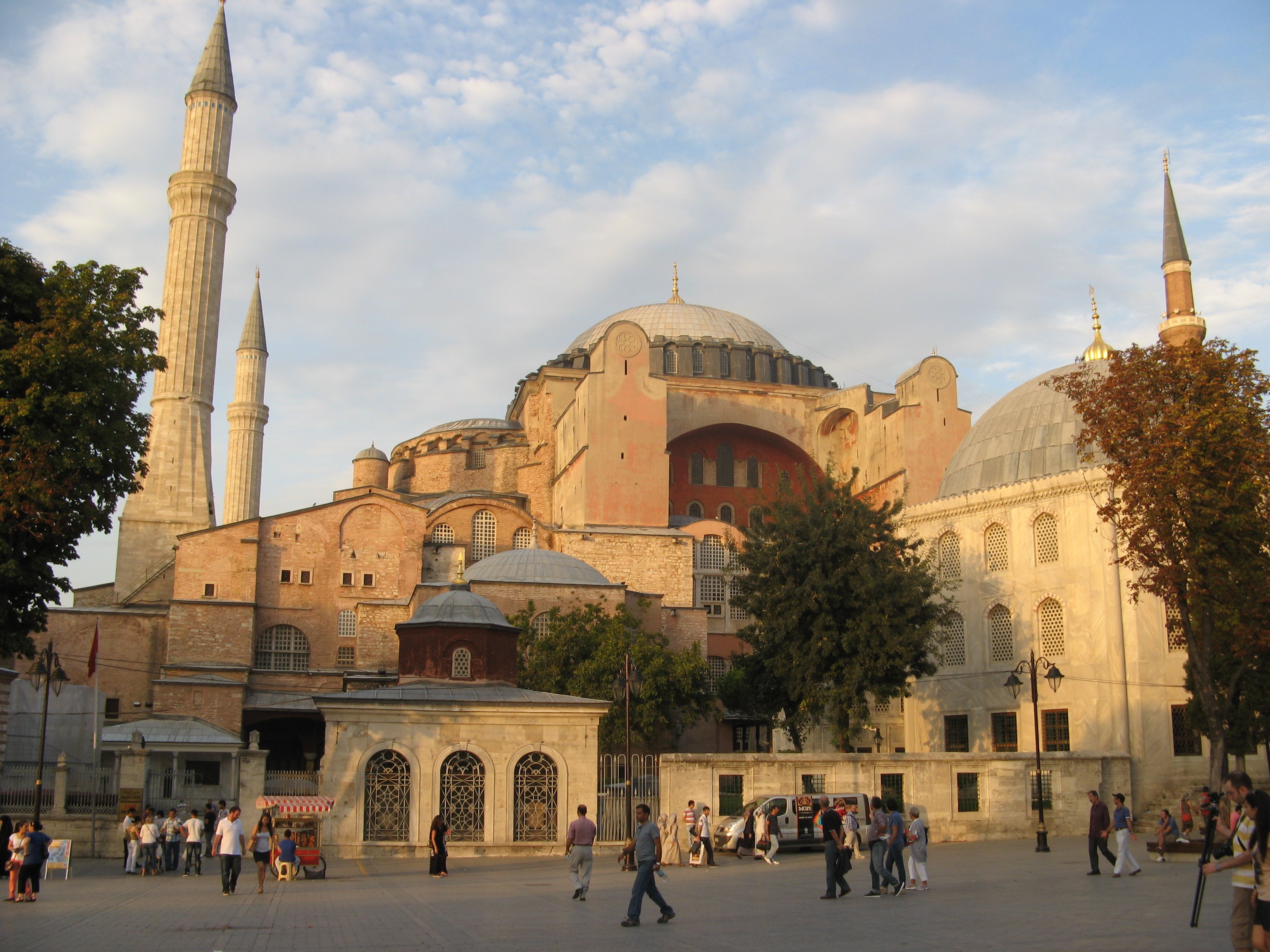
The magnificent Hagia Sofia 

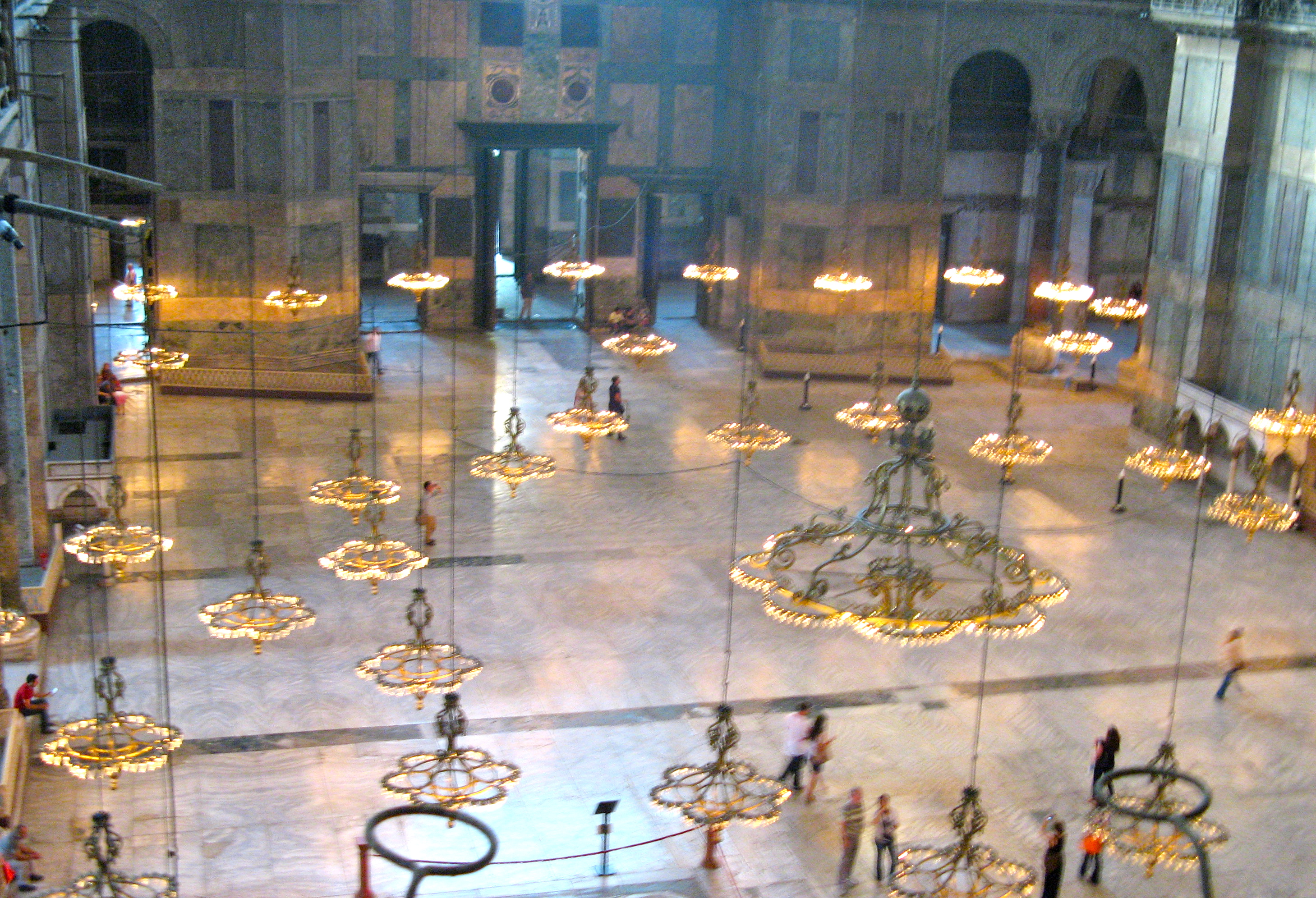
Inside Hagia Sofia

( beat the crowd by visiting late)

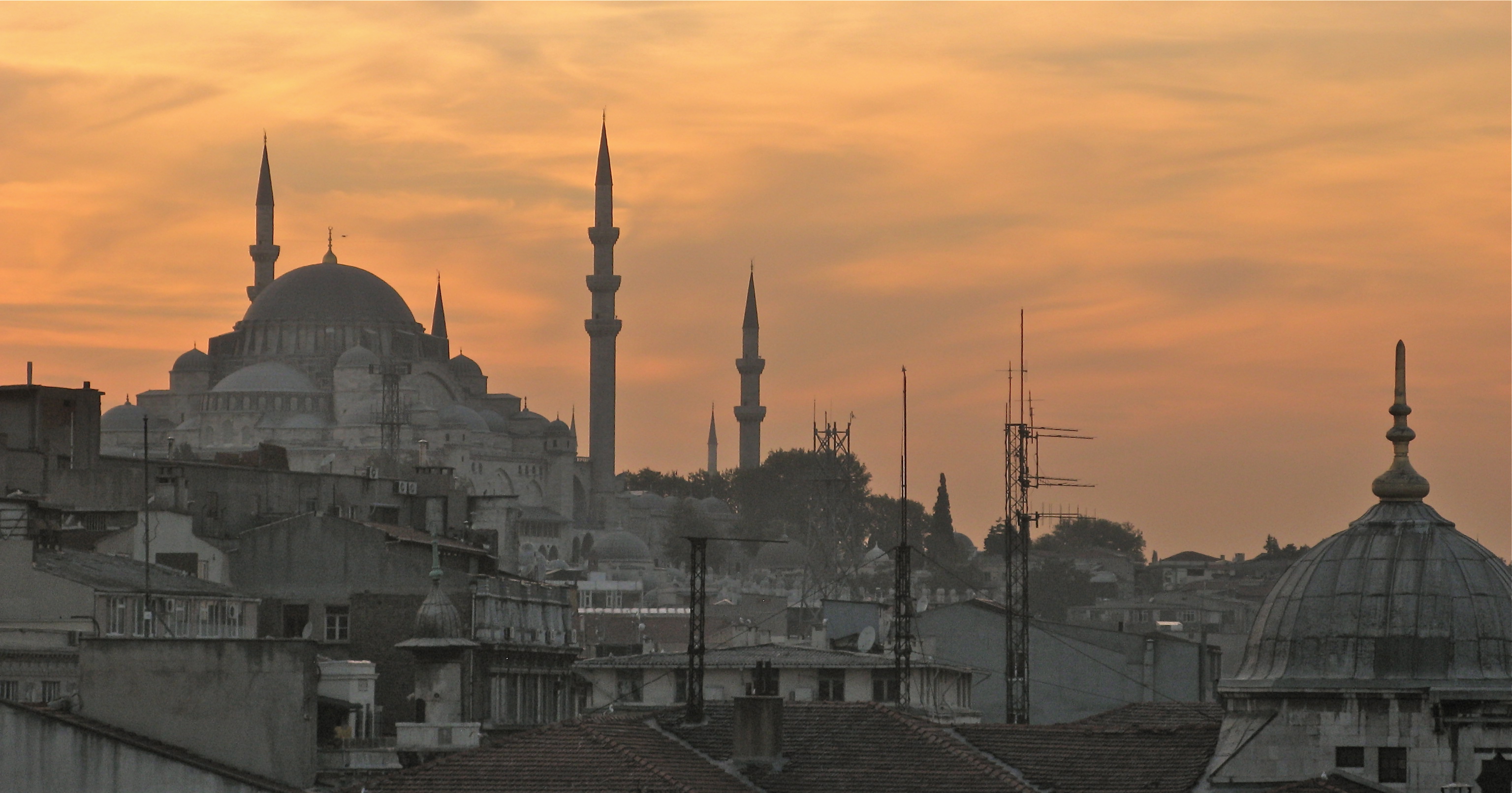
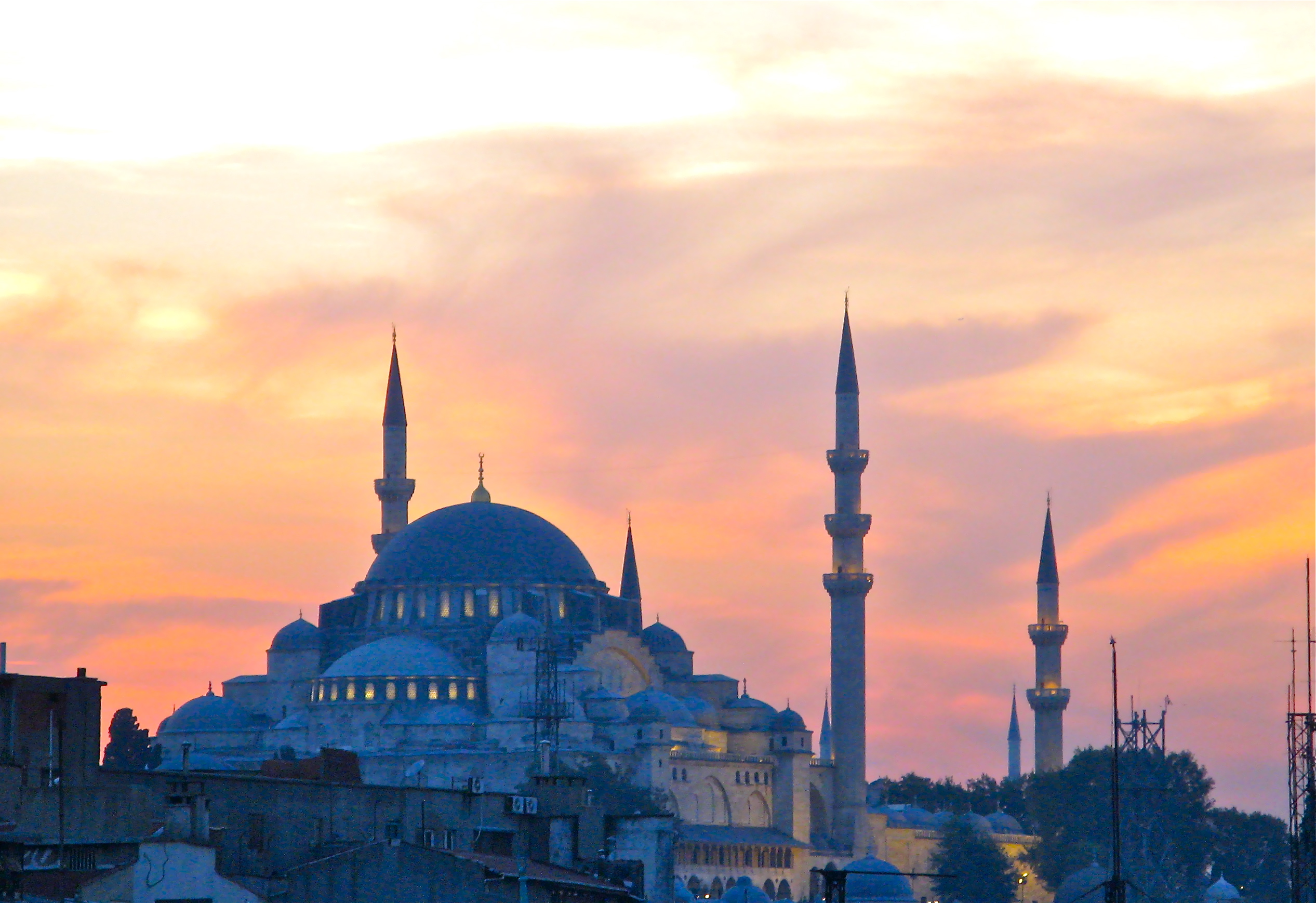
Sulemaniye Mosque at sunset


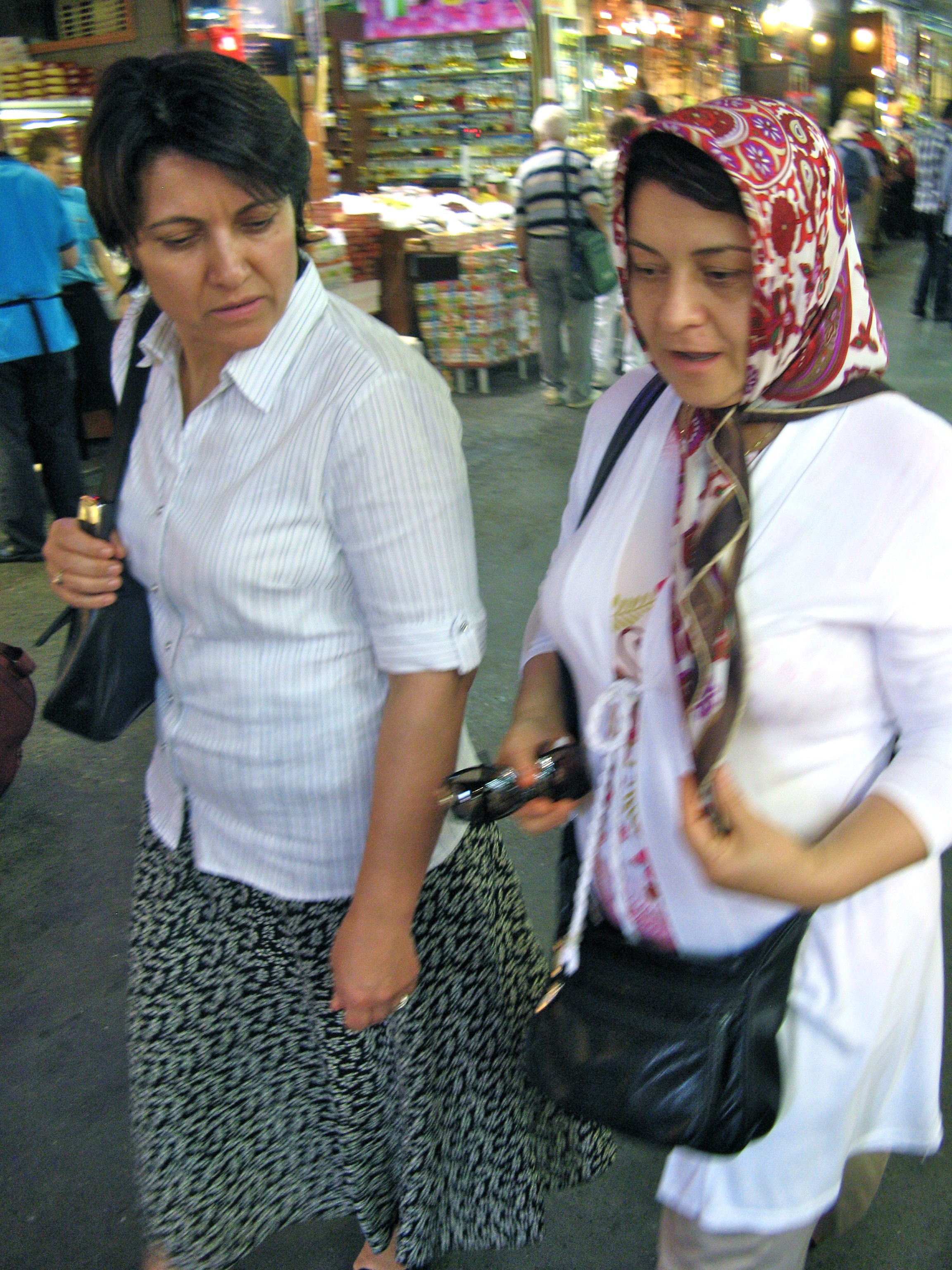
The Turkish model

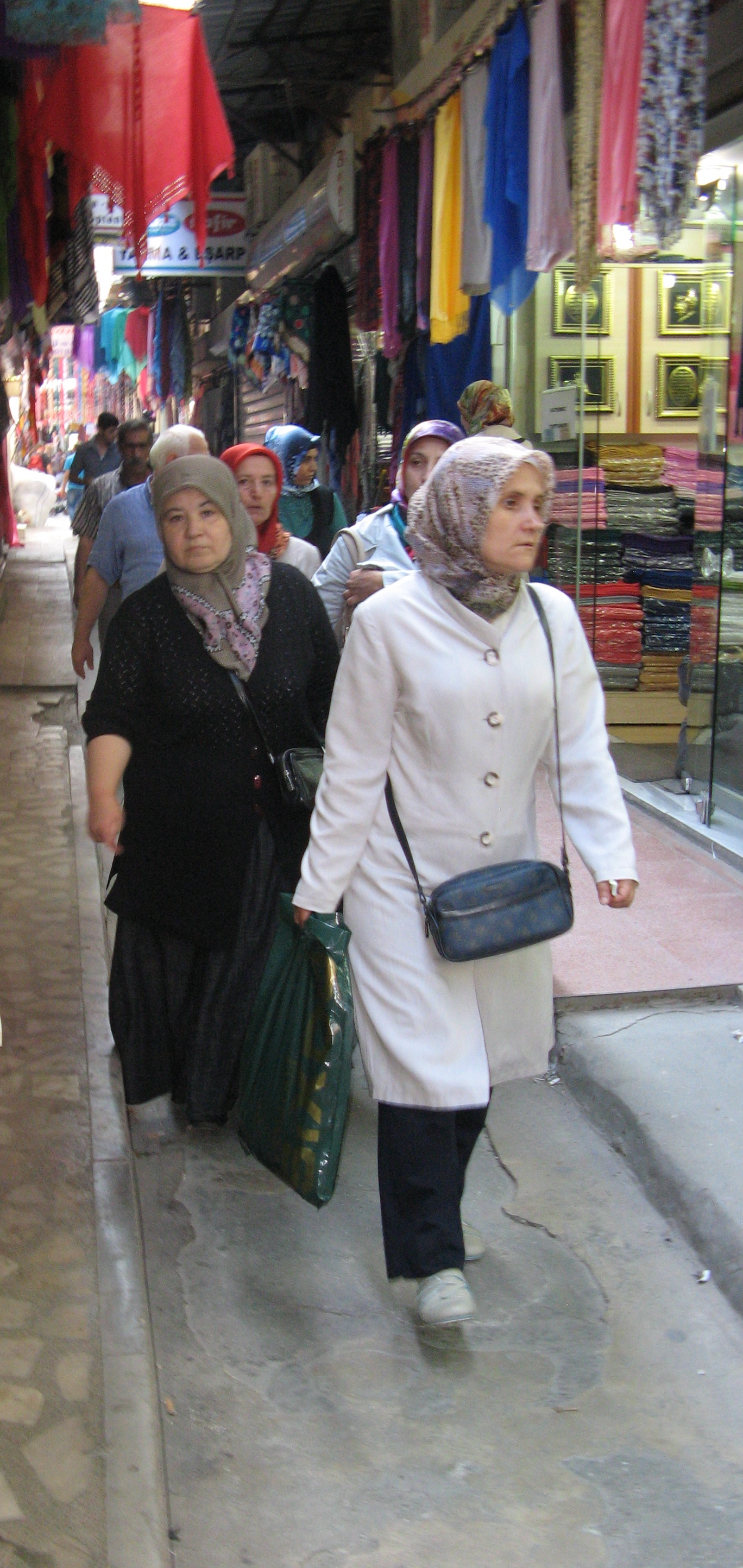
The new reality


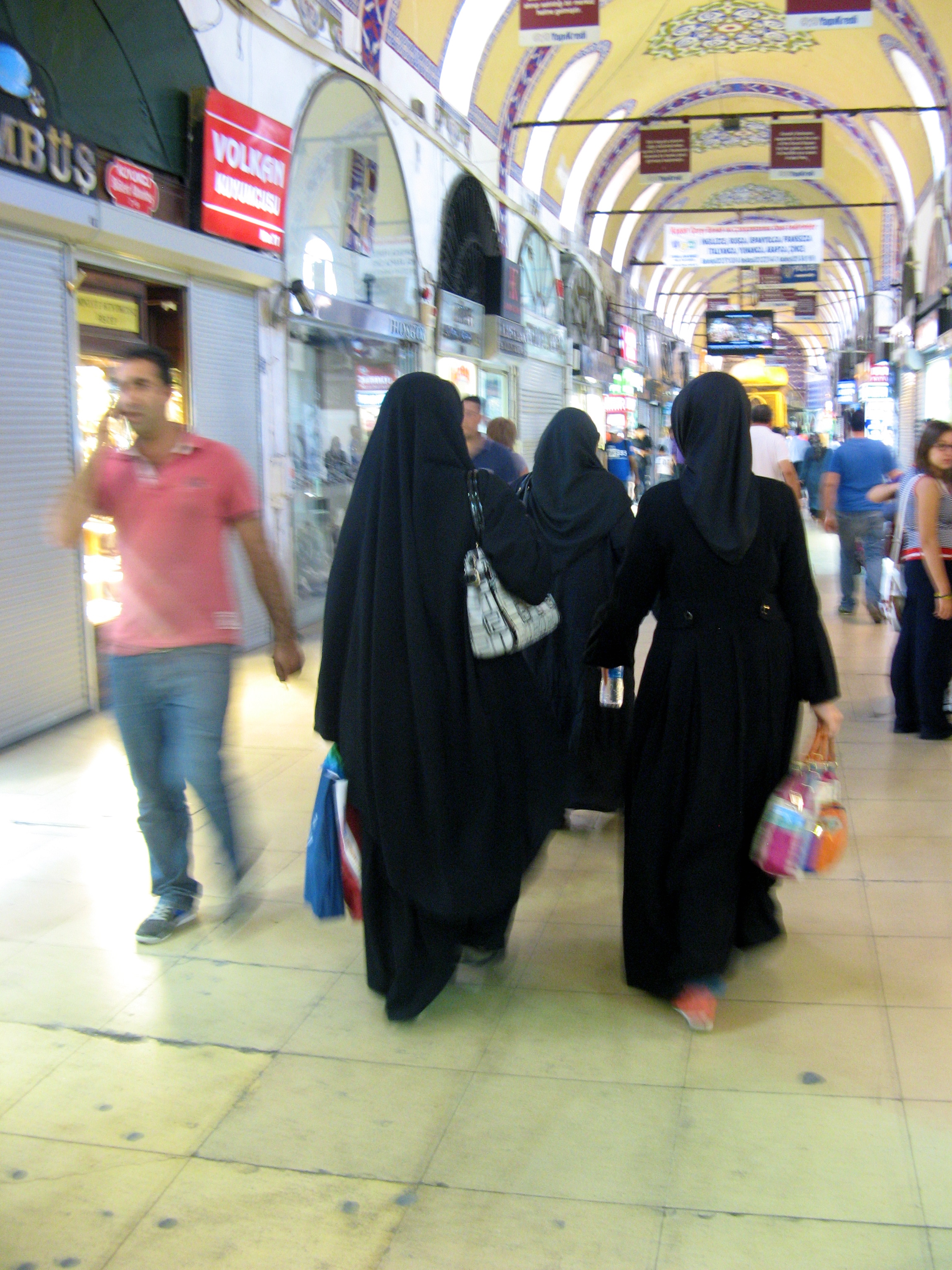
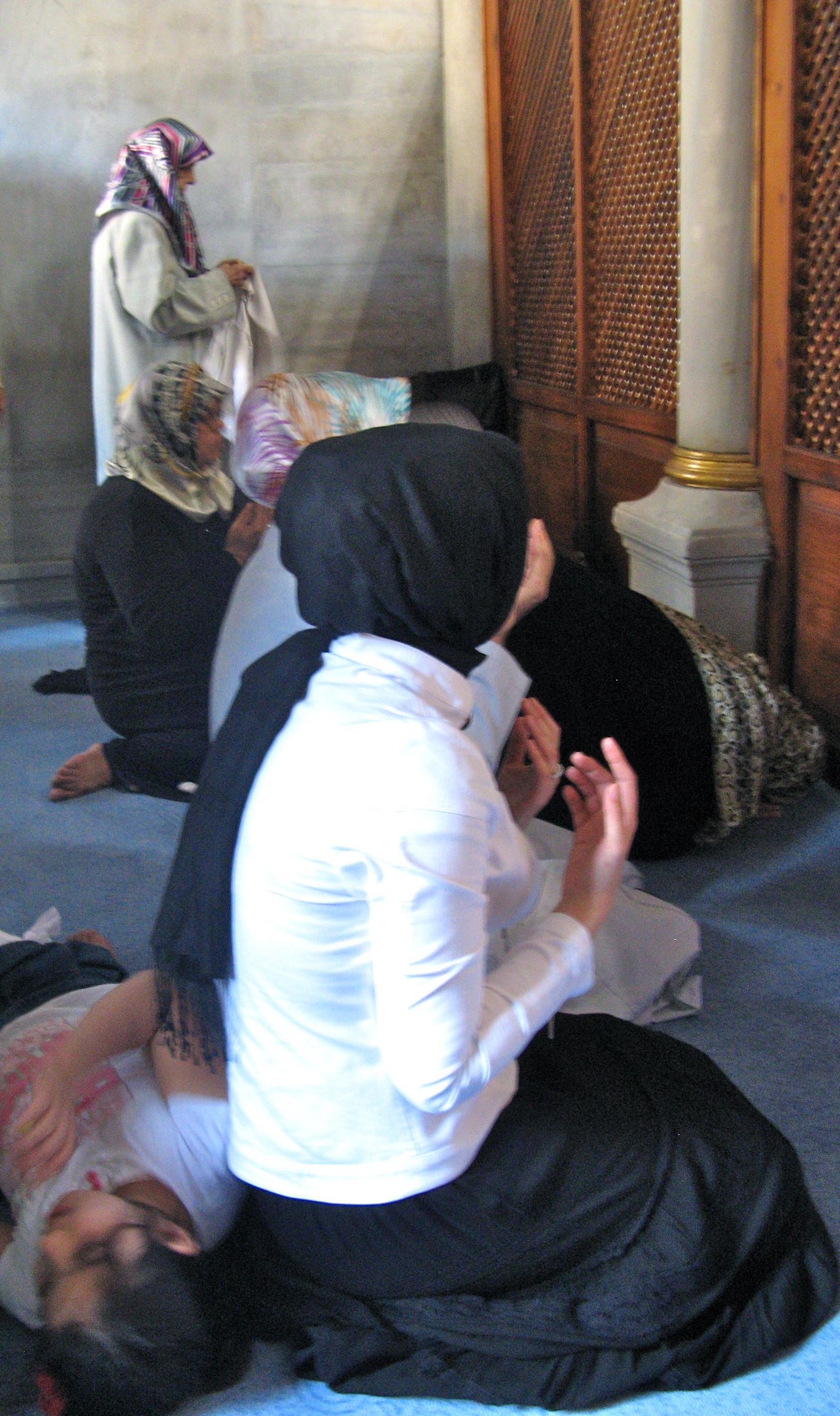
I never thought I will see black dress code in Istanbul 

( some are Arab tourists)

The faith

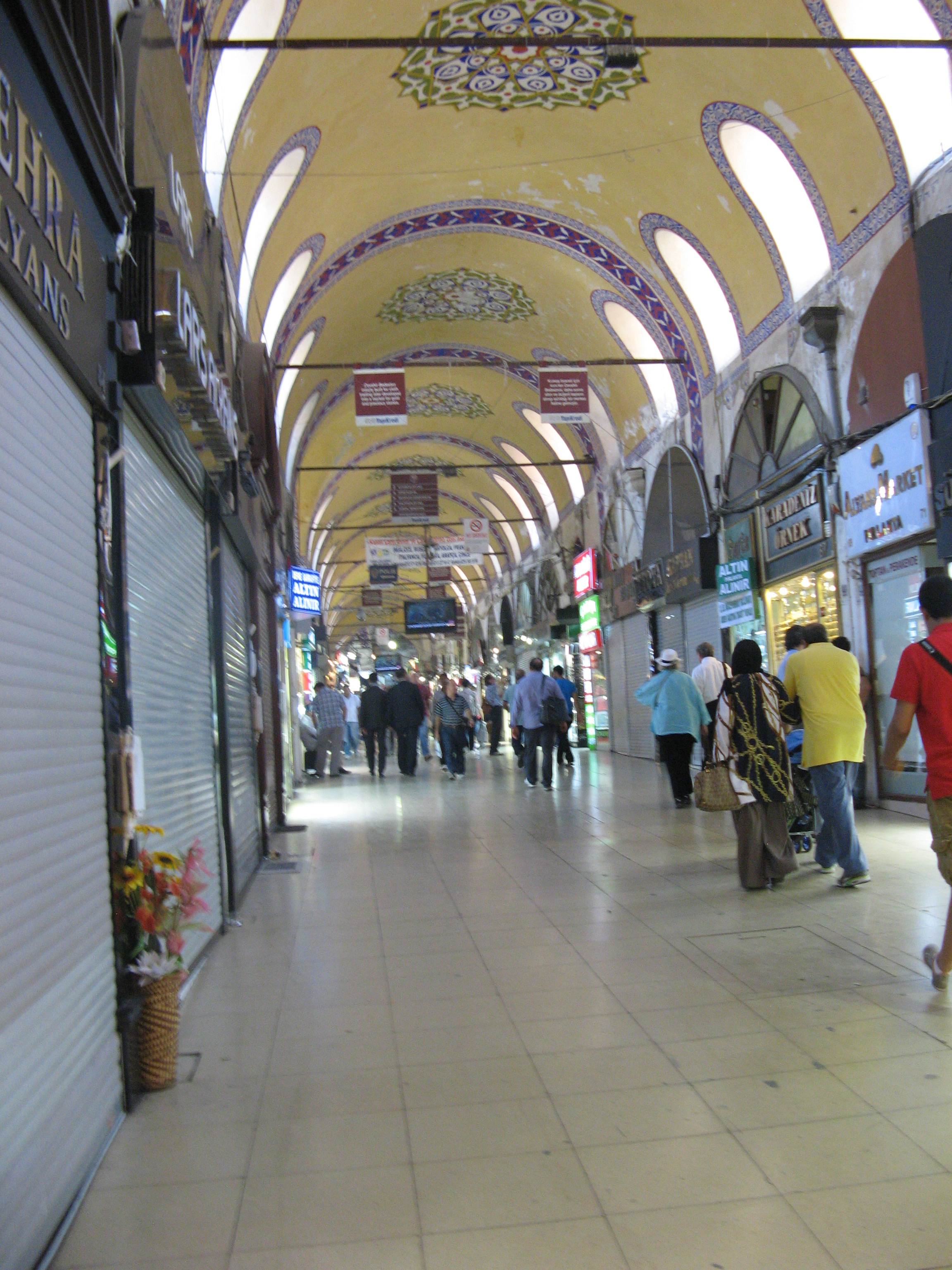
The Grand Bazar

( virtually empty during Friday prayer) 

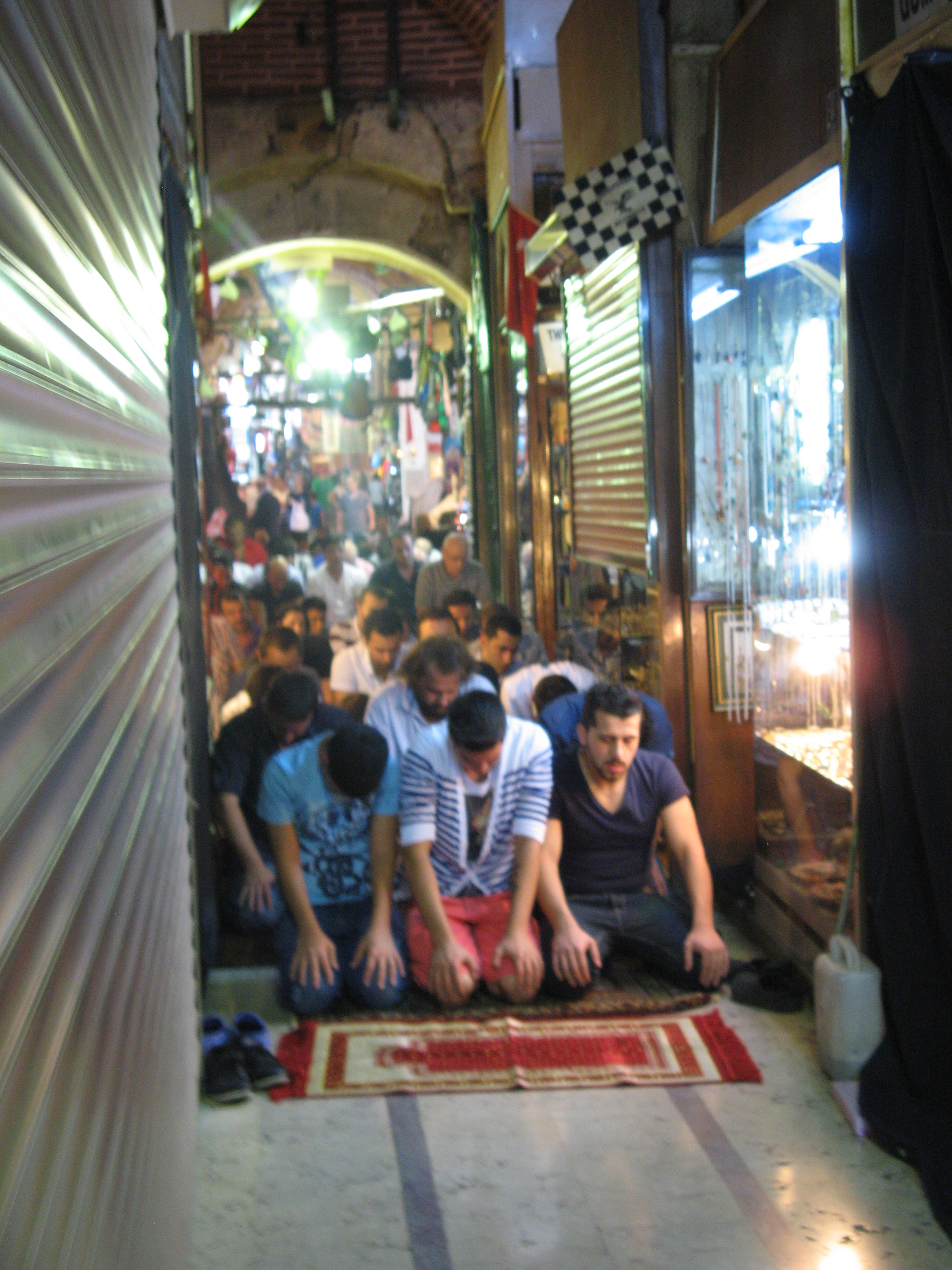
Inside the Grand Bazar

(Men praying on Friday)

Modern art Museum

( impressive books ceiling)

Modern art

( nude photography)

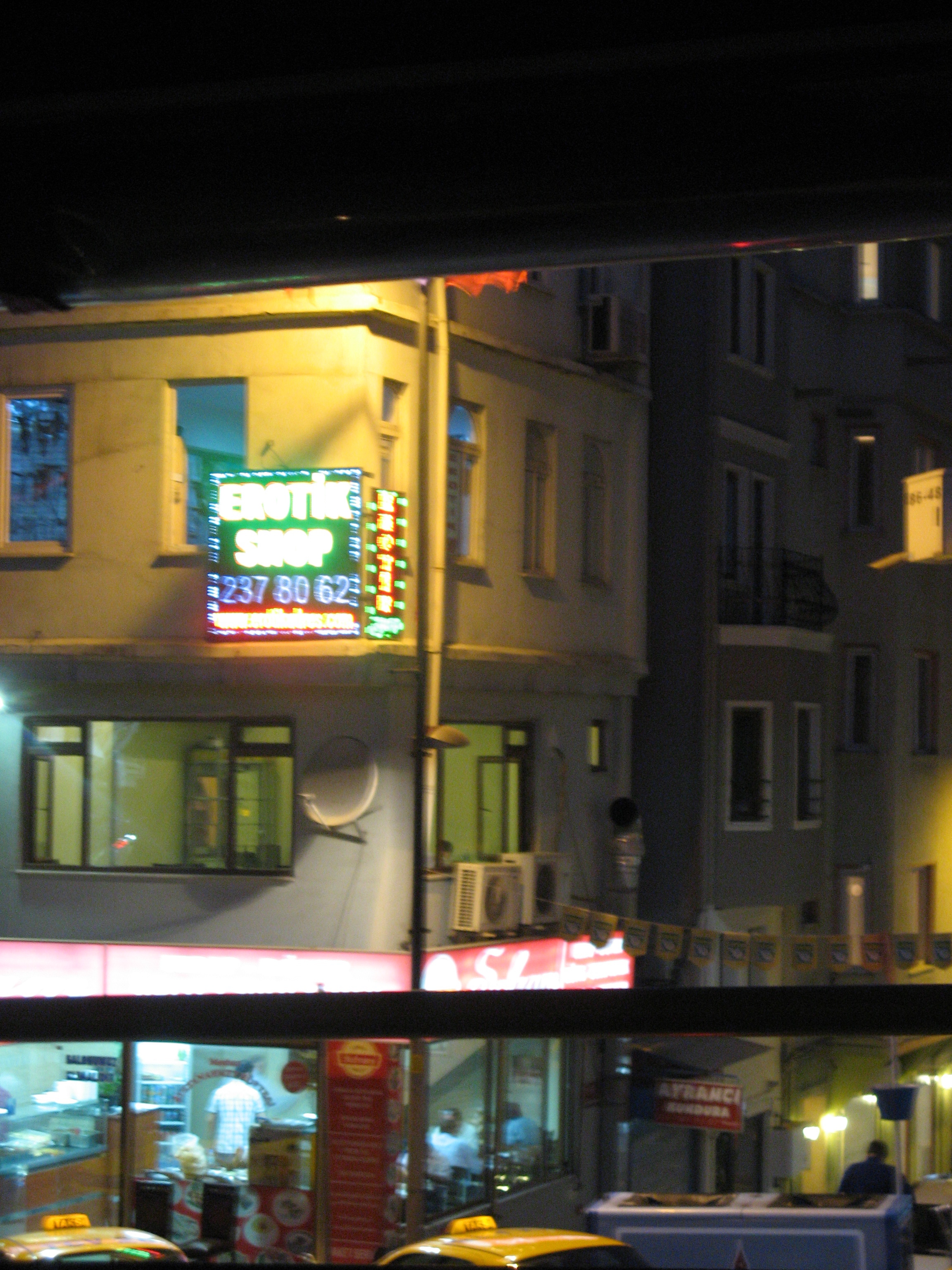
and this exist too…

 The kids

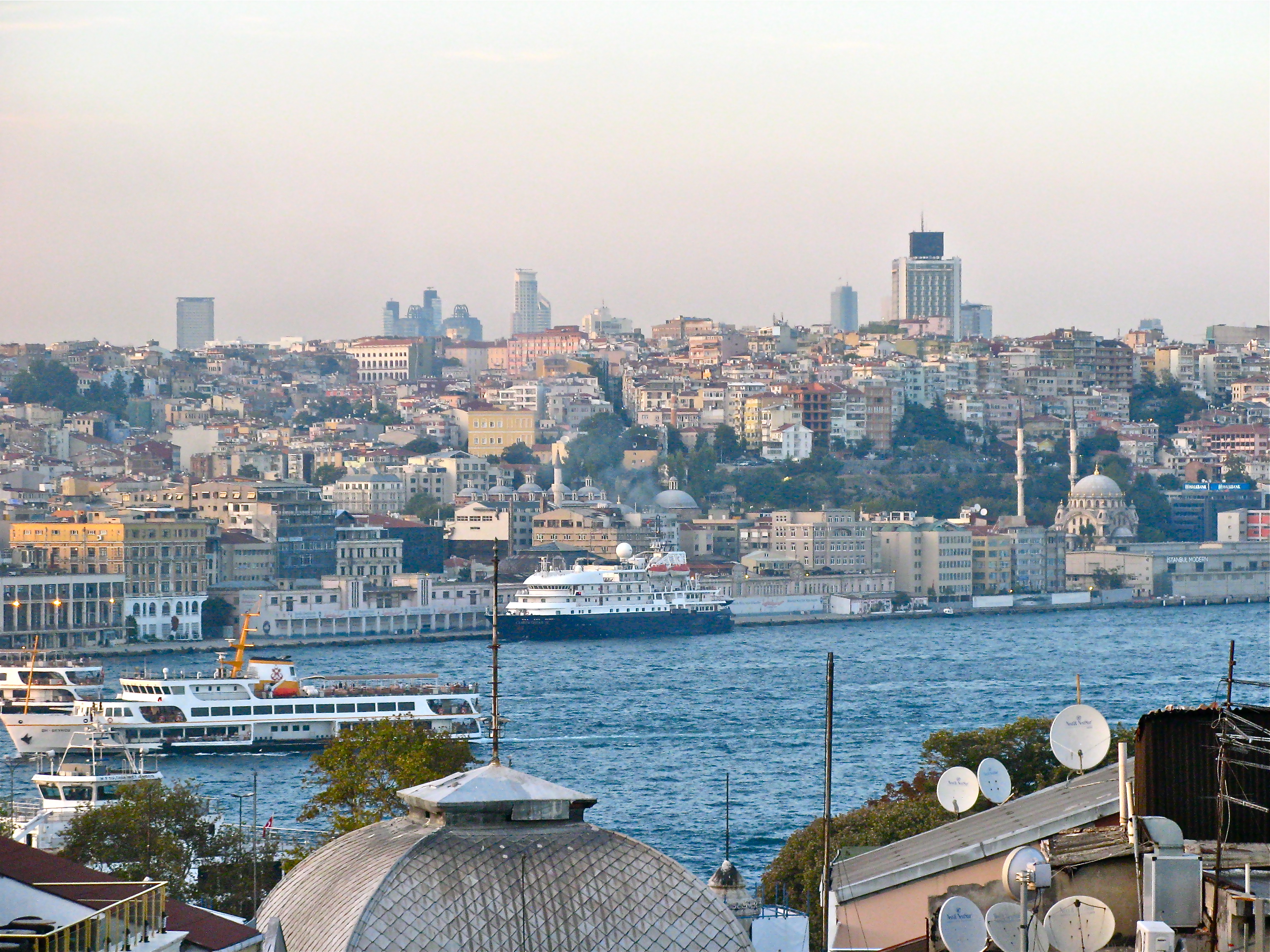
A view of the Bosphorus

Alas…. it has to end!

Posted in Photo Essay, Turkey | Tagged , , , | 1 Comment

President Morsi and the 6th of October War

(Photo: AP)

Today marks the 39th anniversary of the 6th of October (Yom Kippur) War. For Egyptians, this was a heroic struggle that restored their dignity after the humiliating defeat of the Six-Day War in 1967. The fact that October ’73 is still important – despite it being 39 years ago – not only reflects the events of the war but also the absolute lack of political or military achievement afterwards in the eyes of many Egyptians. Egyptians need hope, and October ’73 is the event that is often used (and abused) to provide that much-needed feel- good factor.

Sadat, the leader of the October war, still stirs debate and controversy. This stems mainly from the fact that many in Egypt fail to appreciate why the war ended and why the subsequent peace deal was almost inevitable. The long dictatorship of Mubarak has left Egyptians with a bitter attitude toward the peace deal that Sadat signed with Israel. Mubarak’s tyrannical tendencies and autocratic rule not only ruined the country militarily and politically – it also ruined the Egyptians’ ability to judge their history in a calm, rational way.

Today in Egypt, there is little appetite for rationalism. Egyptians are tired and yearning for dignity and hope.  As always, the Muslim Brotherhood has perceptive sensory receptors that capture the feeling of the nation. They sensed the moment and acted accordingly: a marathon organized by the Brotherhood‘s Freedom and Justice Party, and buses started bringing members from various provinces to Cairo stadium, where the president delivered a lengthy speech to a very sympathetic audience. In this speech, he avoided mentioning Sadat while one of the Zoomer brothers – involved in Sadat’s murder – attended the celebration. The preacher side of Morsi prevailed; he described how he wants Egyptians to end up in God’s heaven and avoid hell. This  celebration –many in  social media outlets argued passionately, that is supposed to be about the martyrs– turned out to be about President Morsi and his achievements.

It was also interesting how most of the army generals were seated in the second row, a clear sign of how Morsi has subdued the army. Now the Junta is under the leadership of a civilian preacher  – the first unification of its kind in modern Egypt. It will be interesting to see how Morsi deals with the army in the future, the state of the Egyptian army at the moment is a reflection of Mubarak’s decades of neglect. It is fair to say that military aid to Egypt did not materialize in the form of practical steps to modernize our military; instead, the Americans pumped the money in, and the previous leadership poured it down the drain.

In his speech, Morsi made derogatory hints about the Jewish Sabbath, reminding his audience that “today is Saturday like it was a Saturday 39 years ago.” Surly, Morsi’s popular gesture, and his indirect disdain for the Camp-david treaty will earn him a lot of brownie points. Historically, the Brotherhood platform was hostile to the treaty, yet they failed to produce “a desirable” political path to follow. They chose to forget that following the war in 1973, Egypt, both militarily and economically, was unable to sustain another war of attrition. If the pass of peace was not adopted, we could end up like Syria in a “no peace, no war” stalemate scenario, while Israel enjoys most of Sinai without any security problems. Though Sadat reopened the Suez Canal in 1975, the sustainability of that decision would not last if tension and hostility continued. Any tension between the two sides (i.e., Egypt and Israel) would directly or indirectly affect the canal.

I am uncertain as to whether Morsi wants to give people hope or encourage them to daydream. Today’s celebrations may differ from those of previous years in terms of style, but it is not that different in substance; an opportunity to glamorize the leader of the land. Other political parties, and ex-Presidential candiadates were absent from the celebration, another sign of how the Islamists are dominating the political scene.

For how long will politicians continue to capitalize at the expense of the blood of martyrs? Egypt is in desperate need of a dose of realism; this realism is not a crime, nor is it a tool for demoralization. If the underestimation of bravery and martyrdom that happened during the war is bad, then overestimation and daydreaming is a fatal crime that Egypt can’t afford now. Yes, we need hope, but we also need wisdom and firm footing. Let’s reflect on the past and plan for the future in a balanced rational way without cheesy politics or preaching because our country and our future are clearly at stake. Egypt cannot afford another form of autocracy. The martyrs of January 2011 have demanded freedom, equality and social justice. Their blood is what paved the way for Morsi to lead the country and he will lose his legitimacy if he fails to achieve these targets, even if he celebrates thousands of October ’73.

Posted in Egypt, Israel | Tagged , | 27 Comments

Sexual Harassment: The myth of the dress code theory.


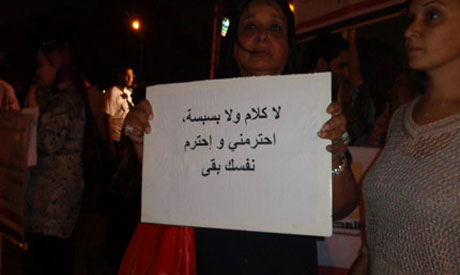
Egyptian women demonstrate infront of presidential palace 5th of October 2012

This piece was initially published as part of the sexual harassment response by Fikra Forum

“Silly girl, why did you take the metro when you saw that it was packed?” That was my teacher’s response to my tearful story of harassment. According to her, it had happened because I, a shy, timid, un-groomed 13-year-old girl, had decided to take the metro to school. It was not the fault of the lawless gang of men who molested me on the crowded metro; they were not part of the equation as far as my teacher was concerned. I can still recall clearly her statement, “If only you had waited for the next metro, none of this would have happened.”

In our society, we hear “if only” quite a bit. This is what girls and women hear when they complain about sexual harassment: If only you had avoided the crowded metro, if only you had not looked at him, if only you had not replied, if only you had dressed differently, if only you had worn the hijab. The list goes on and on. But make no mistake, it is always our fault – the woman’s fault. It is our job to protect ourselves, and not to expect men to behave themselves. A modest dress code, avoiding eye contact, and walking briskly are the unwritten rules that girls learn to avoid being harassed on the street. Walking with your chin down is also desirable, as any bold, self-confidant body language invites “attention.”

But what exactly does a modest dress code mean? In 1970s and 1980s Egypt, wearing a hijab was the answer. In the 1990s and beyond, wearing the jilbab (head scarf that extends to cover the chest) was the ultimate solution. Colors are also crucial; some advocate wearing only black, brown, or grey. The more a woman can put off men, the better. Even so, currently, even women who wear the full-face veil – the niqab – are being targeted.

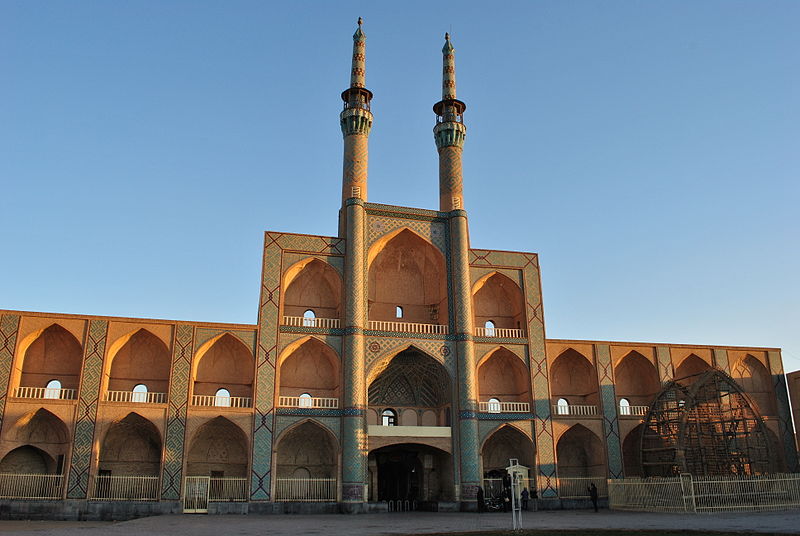
I believed in the dress code myth for years; I convinced myself that my incident at 13 was just an unfortunate event and that it would not happen again. I simply ignored the repeated verbal harassment that became a recurring theme in my life. This was the case until I visited Iran. That trip changed my life. Like all visitors to Iran, I had to conform to the mandatory Islamic dress code. I was shrouded in black, and frankly a bit scruffy, after days of touring the massive country. One afternoon in Yazd, I headed to the stunning Amir Chakhmaq Complex and Mosque with many locals who wanted to climb to the top balcony for the spectacular view of the city. I followed the crowd and started to climb the narrow, spiral staircase. About half way, I stopped to adjust my shoes, which meant that the crowd ahead of me carried on, leaving me behind. It was at that moment that I encountered a bulky local man who was heading down the stairs. Within seconds, he had pushed me against the wall, covered and sealed my mouth with his hand, and started molesting me. For several moments, I thought I would be raped. I tried to push him away, but I couldn’t. What saved me was the appearance of two angels: Two lovely boys had climbed up the stairs ahead of their parents; the thug let me go once he heard their giggles. Their innocence saved my honor and my body.

Amir Chakhmaq Complex and mosque( with its beautiful balconies)

For me, what happened in Yazd was the ultimate proof that the dress code was a myth. It exposed the fallacy of the dress code theory and revealed how it is used as an excuse by this society to do nothing to address the shameful treatment of women. Like many other women, I was attacked when circumstances allowed a pervert to exploit and assault me.

Now men do not even try to be discreet; women can even be exploited publically on TV. For example, in a recent video, now making the rounds in social media, Egypt’s information minister was interviewed by Zeina Yaziji. Many watched in shock as he said, “I hope the questions aren’t as hot as you are.”  Regardless of whether this was a silly joke or a reckless comment, it reflected the depth of disregard for women in our society.

My experience confirms what statistics reveal; conservatism does not cure sexual harassment. It just pushes it underground and covers it with a thick black seal that hides the deprivation and perverse behavior and facilitates the exploitation of the vulnerable. Those who point fingers at the “decadent West” do not understand the core foundations of any sexual relation: age and consent. These two words are absent from the minds of radicals who promote underage marriage. For them, consent is granted through silence; if a woman is silent, then she is happy. But women do not chose to be silent; it is men who do their best to shut women’s mouths and undermine their claims if they dare to seek help.

Sadly, it seems that those who want to bury their heads in the sand will never stop; their twisted logic and myopic vision keeps us from addressing the cultural and economic reasons behind sexual harassment. The call for conservatism masks a deeper problem in our society: the desire to impose medieval patriarchal attitudes and illiberalism for political gain. For some, women’s independence is a threat that undermines their ideology. They hide behind Sharia to brainwash the poor and unemployed. They convince them that women are to blame for their circumstances. Like the dress code myth, they propagate another myth: “If women stayed at home, there would be more jobs for men.” A flawed claim that even countries like Turkey dispute.

We need to protect women in Islamic society. This protection will never be achieved unless women take the initiative and mobilize civil society to rally for more education and legislation that helps to combat harassment. This is a must if we are serious about our democracy, and our human rights.

Posted in Egypt, Iran | Tagged , | 9 Comments

Saladin and the current Arab-Israeli Conflict

October 2, 1187: Saladin, the Sultan of Egypt and Syria, and leader of the Muslim forces battling the Crusaders in the Holy Land, captured the city of Jerusalem. Interestingly, this anniversary was only covered by two newspapers, Haaretz and al-Hayat. While Haaretz managed to shed some light on the narrative of the battle and how the city was captured, the Arabic article was more interested in Saladin, the leader, including his character and what lessons we can learn from him.

The fascination with Saladin is very old, though the Arab-Israeli conflict has raised it to a new level: now, we hear of him in movies and soap operas, not to mention fiery rants from religious scholars and political leaders who consistently push Saladin in their argument about “the liberation” of Jerusalem.

Undoubtedly, Saladin was an exceptional leader, not just as a military commander who was victorious over his enemies. Saladin was also a knight and chivalrous warrior leading many of his enemies to look to the Arabs with appreciation and fairness. However, I am not sure that Saladin is relative to the Palestinian cause. In fact, I think the fascination with Saladin reflects how many Arabs drew wrong parallels between the crusaders of the past and the Zionists in the present. Crusaders never claimed a historical link—unlike the Zionists—to the holy land and they were equally hostile to the Byzantine Empire in Constantinople (that initially controlled Jerusalem before the Arabs).

For years, I followed bitter arguments among Arabs about Zionism and the Arab-Israeli conflict; many openly or quietly subscribe to an oversimplified claim that Zionists ( just like the Crusaders) are a colonial power that has to be kicked out of the land. Others are for a one-state solution and ironically, do not withstand the Israelis with whom they want to unite. There are a few pragmatics who still support the two-state solution, but observed the decline of the Oslo-agreement and the current unfavorable environment that discourages any future negotiation.

All groups are not willing to dig deep in the psychological barriers that seem to be the main obstacles against solving the century-old conflict, the perspective of each side, and not even interested to differentiate the current conflict from previous ones that may look similar. In this context, I would like to highlight a few simple facts:

Firstly, Israel is not French Algeria or Moorish Spain; both had native countries (France and Islamic Morocco) that sponsored and protected the settlers of the disputed land. The United States is certainly not equivalent to the previous examples. The ranting of Netanyahu in the United Nations General Assembly and his bomb diagram proves my assertion.

Second, South Africa is another false example to follow for many reasons: The blacks of South Africa did not demand the right of return to the land confiscated by white Africana, and they never viewed the rest of Africa as a strategic depth that can protect and sponsor them. They also had a leader who offered reconciliation, a concept that is currently rejected by many Arabs and Israelis.

In addition, Israel/ Palestine have neither Saladin nor Richard Lion Heart, the kinds of leaders who are willing to fight each other until a decisive victory by one side; nor the Mandela-de Klerk type, who are willing to solve the crisis peacefully and initiate reconciliation. Instead, we have myths and apocalyptic assumptions: the champion on the white horse, who will liberate Jerusalem, versus “the villa” (Israel) that would be destroyed by a nuclear bomb.

Yesterday, there was an interesting debate between Khalid Elgindy (Brooking institute) and Jonathon Schanzer (Foundation of defense of Democracies) on my Twitter timeline. These debates is essential, but I think it important to answer the question of empathy that – I think— lies at the heart of the Arab-Israeli conflict before discussing any solution: Are both sides willing to accept each other? If yes, then the Mandela formula may work, but if the answer is no—which if honesty is a virtue, we should admit that it is the right answer—then let’s be frank with ourselves and admit it. Only then, the two-state solution may look appealing and convincing despite the “painful compromises” that may be needed.  Otherwise, we have to wait for long time for the repeat of Saladin’s moment in 1187 that may or may not happen.

Posted in Israel, Palestine | Tagged , , , | 23 Comments

Is Priest Who Inspired Video Worth All The Rage?

This piece was initially published in Al-Monitor- The pulse of the Middle East

As more details have come out about the men behind the anti-Islam video that enraged parts of the Muslim world, it was disclosed that they are devotees of Zakaria Boutros, a fiery priest who for years has been on a mission to discredit Islam and its Prophet Muhammad.

What makes Boutros unique is his approach? The 77-year-old Egyptian did not just study Christian theology; he claims that has devoted his life to studying Islam, the Quran, Muhammad’s sayings and Islamic jurisprudence. He has researched both medieval and contemporary Islamic texts, and he has done this all with the aim of finding “alleged” inconsistencies and exposing what he believes to be a “fake” religion.

In view of the violence over Innocence of Muslims, I think it’s crucial to shed some light on the man who’s made a career of denigrating the Prophet of Islam. (It’s important to state there’s no proof that Boutros is directly behind the anti-Islam video, and he has denied any ties to it.)

Read more: http://www.al-monitor.com/pulse/originals/2012/al-monitor/a-fiery-priest-inspires-video.html#ixzz27bNoJErm

 
Posted in Uncategorized | Tagged , | 3 Comments

Where is the Muslim Rage?

This week, I was planning to write about a different subject until I came across this video (by chance on Twitter). Watching this 55-second-long arabic video was enough to convince me that this topic should not be ignored.

In this video, the Egyptian scholar Sheik Mustafa El Adawy answers questions from the public on the religious TV channel Al-Nas.  The questions were as follows: what is the Islamic rule of marrying a girl who didn’t reach puberty? Is it halal or haram?  If halal, does she have to take a purification bath after intercourse, even if she didn’t “ejaculate any sexual fluid”?

Sheik Mustafa’s reply was as follows: “Yes it is allowed to marry a girl before puberty, if she can cope with the sexual marital relation.”  Then, he added: “She has to have a purification bath because it is a must after any intercourse.”

Now let’s try to explain this strange episode: An Islamic ‘scholar’ sanctions the marriage of a child who has not reach puberty. He even acknowledges that the girl will be as dry as a bone and unresponsive to this sexual relation; still, he insists that she would be somehow unclean and need to be purified.

Before I go any further, I really hope that this is not true. I pray that Sheik Mustafa did not issue this verdict. If this is the case, now is the opportunity for him to denounce the video and the fatwa. It is also worth saying that I do not know Sheik Mustafa and never came across him before watching this video.

However, if this video is indeed true and Sheik Mustafa issued this fatwa, then I am frankly angry, disgusted and shocked.  How can a scholar sanction exploitation of children?  How – in his opinion – can a family decide that their child who clearly has not reached puberty should have a sexual relationship? Does Sheik Mustafa think humans are robots without feelings? Does he sanction exploitation?

It seems that humanity for some scholars is merely a set of rules and regulations that have to be fulfilled. To them, the mental and emotional welfare of children is not important as long as the children are “clean”.

Some may ask why I chose to raise this issue.  They may argue that this cleric is not part of the mainstream, just a fringe of extreme radicals followed by a tiny minority of Muslims. They may also highlight concerns that my timing is not right, that it may be unwise to address such a sensitive issue during the current global crisis following the anti-Islam film “ The Innocence of Muslims.”

My reply is simple. It is precisely because of the silly anti-Islam movie and the global rage that ensued that I am deciding to highlight this video. I am deeply alarmed that these kinds of videos don’t trigger any response in the Muslim world.

Muslims are enraged if the “West” had denigrated or mocked them, but it seems that we are indifferent to the radicals who consistently sideline us. I am, by no means, advocating a reversion to idiocy and a repeat of last week’s violent protests, but I am hoping for some response; at least similar to the genuine outrage expressed in social media against the controversial Newsweek cover (Muslim Rage).

I want to ask my people – does the innocent victim of this fatwa not deserve our attention? I shudder from the thought of her ordeal and what she is going through as a result of this sanctioned marriage. For her and for others who may have the same fate, I wrote this piece.

I wish Muslims would stop obsessing over how the West portrays them. The Arab awakening has taught us that our desire for freedom did come from within, like the desire to reform Islamic thoughts. Like we revolted against tyrants, we should also revolt against religious nerds  who are hiding under the guise of Islam. This is the only path for our salvation. In this critical stage of our history, we simply cannot afford to turn a blind eye to these fatwas and hope they will fade without causing much disruption. Those fake scholars are now stronger than ever; they are here to stay, equipped with satellite channels and social media and probably financial support.

I hope many Muslims will be enraged once they read this blog piece, and I dream they protest “peacefully” in front of the El- Nas TV channel and demand a withdrawal of this obscene verdict. I also wish Sheik Mustafa will reflect on his thoughts and change his mind; that would be even better. I modestly hope of a successful Twitter campaign under the hashtag #NoToChildMarriage.  I can hope, dream, and wish, but I am not holding my breath.

Posted in Best Read, Egypt, Islam | Tagged , , , | 23 Comments