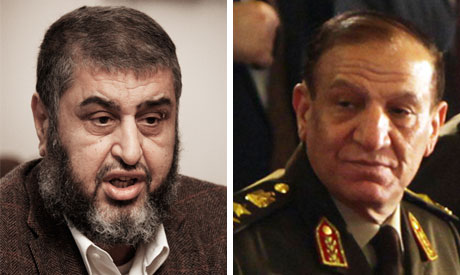
President Morsi Shater Anan?

It is difficult to figure out what is really happening in Egypt. Amid a tsunami of rumors, accusations, and conflicting reports, finding the truth is a very hard task.

First, let’s highlight some facts about the current four major players—the SCAF, the Muslim Brotherhood, other revolutionary forces and political parties, and the Egyptian public.

The last test of leadership skills of our de facto rulers – SCAF- was 39 years ago (the 6th of October – Yom Kippur War). The reports of their intelligence, smartness, and shrewdness are not objective and are either overvalued or undervalued. In fact, all their recent decisions paint a picture of a confused bunch who have been taken aback—just like many others—by Morsi’s victory in the first round of elections. For them, the constitutional declaration is probably a bargaining tool to be used to assert their stance and ensure that they will always be part of the game. However, I am not sure that they will be willing to play a hard game and enforce a curfew or crack down on demonstrators. Although in Egypt, it is wise to never say never!

The Muslim Brotherhood: Their impressive ability to mobilize the crowds and energize demonstrations in Tahrir is a testimony to the discipline and the blind faith of their mid- and lower-level cadres. They remind me of the social union of Nasser’s time. It is no wonder they got on well with the 6th of April movement. To stage a set-in in the scorching heat is a testimony of their determination. Will the Muslim Brotherhood resorts to violence? Unlikely. I am still taking reports  from state TV about arms smuggling inside Egypt with a pinch of salt.

The Revolutionary Groups: Most of them share the brotherhood’s mistrust of the military. On the top of the list is the 6th of April movement; well-known to the media than to many ordinary Egyptians. Their overinflated sense of importance has led them to join Tahrir with the brotherhood to give a false impression of popularity. Also, there are other groups and famous figures, most of them backed Aboul-Fetouh in the first round (such as Wael Ghonium). It was interesting to see how “old”political parties such as Wafd and Tagmouh were absent from yesterday’s agreement; this could be an indication of severe mistrust toward the brotherhood or an indication of their insignificance as strong players in the quickly evolving political map of Egypt.

Finally, the General Public: Many are either indifferent or even hostile and resentful. They are eager for the whole bunch to reach a deal that can enable them to get on with their lives. They are frankly more bothered about the upcoming Ramadan than with the next constitution. As one lady aptly explained to me this morning, “We are the disfranchised; we are fed up with the others using us for their political gains.” It is also worth mentioning the relatively big turnout to the Pro-SCAF/pro-Shafiq demonstration in Nasr City, which send a strong message that the pro-Islamists are not the only players in town.

So what exactly is happening?

The short answer is, We don’t know.

But there are some clues as to what our future might hold.

The first clue is the agreement announced yesterday between the brotherhood and other political forces. Is this good news? Maybe. The brotherhood seems to be agreeing with the non-Islamists’ demands, such as for a civil state, a presidential team, and an independent prime minster. However, this agreement will probably evaporate once the brotherhood reaches a deal with the military. There are some reports that El-Baradei met with SCAF, but I doubt that he will agree to join the game and become the prime minister. Who wants to be another Essam Sharaf?

The second clue is today’s report of the negotiations between the brotherhood and SCAF, which is not surprising. They are the big players, and the future of Egypt still depends on their ability to compromise and reach a deal. The gap between them is as wide as the Atlantic Ocean, but their survival instincts, together with their maneuvering skills, may help them to reach a deal. They know each other well, and I am sure that their discussions will be open and frank. I wish I was a fly on the wall in the room where Shater and Anan—two most powerful men in Egypt—have met (if it indeed happened).

The third clue is the American factor. There are many speculations and accusations about which side the U.S.administration is backing—Morsi or Shafq. I doubt that timid Obama will actually back anyone. The failure of the revolutionary forces to be an effective political force has pushed the Americans to make tough choices between the old guards (Junta), which can make them look antidemocratic, and the brotherhood, who they still can’t fully trust despite reassurances. My guess is that Obama’s gut instinct is to back Morsi to stay on the good side of the Islamists, but he and his advisers are probably secretly skeptical.

The fourth clue is the delay of the results and the crazy rumors going around about who will be the winner. This is all probably part of a psychological war between the two big camps. Some have fallen for it, but the general public is not bothered anymore because their instincts tell them that it is all simply nonsense.

For now, we have three possibilities:

Possibility 1: A deal is brokered, in which case, Morsi will be president, but behind the scene, the true power will be in the hand of two figures, Anan and Shater. If they both found some common ground, it would be truly ground breaking.

Possibility 2:  No deal, if defiance prevails and the two parties decide to test each other’s ability to confront.

Possibility 3: A reelection in some districts, if they decide to agree to disagree and take Ramadan as “hudna” (truce). Unlikely!

As for what tomorrow will hold, will it be a sandstorm or a sunny day? Who know? We shall see.

Posted in Egypt | Tagged , , | 5 Comments

Morsi, Shafiq, and Mubarak.Egypt’s conflicting reports

Three interesting developments took place today in Egypt: The claim of victory by both Morsi and Shafiq’s campaigns in the runoff of the presidential election, and the strong  turnout in Tahrir tonight and finally the unconfirmed reports about Mubarak’s death.  I think it is fair to describe today as the day of conflicting reports.

The Morsi campaign was clever to rush to announce the results; by doing so, they took an impression and cemented it as reality, one difficult to challenge, particularly in the current atmosphere of mistrust in both the judiciary and the junta. The counter-claim by the Shafiq campaign has failed to gain credibility, but it succeeded in creating fear of a possible Egyptian version of the Bush/Gore scenario.  Both camps’ reckless unprofessionalism could spark violence following Thursday’s formal announcement of the results.

Second, despite claims of protest lethargy, thousands have responded to the Brotherhood call for protests and turned up in Tahrir as a show of strength and defiance against the military. Tahrir, once a symbol of spontaneous revolution, has became a symbol of one group’s ability to garner support by the push of a button. Energy and lethargy became synonymous with the Brotherhood’s will to confront and not to confront SCAF, respectively.  How far is the group willing to go to defy SCAF − will it try to enter the parliament? Will the riot police interfere? As always, Egypt has more questions than answers.

Third, the confusion about Mubarak’s condition reflect lack of understanding of brainstem death in Egypt, a condition, which is declared as death in Western countries but still not legally acknowledged in Islamic countries like Egypt. Some also mixed with another medical condition called: permanent vegetative state,which is the condition of Israel ex- Prime Minister Sharon.

In this Saga, one minor detail struck me as odd and even ironic:

During the morning press conference of the Morsi campaign, the general coordinator Ahmed Abdel Ati said the following:

“With respect to the People’s Assembly, in a previous incident a president [Mubarak] resorted to a popular referendum, as no authority has the right to dissolve or intervene in the duties of another.”

Clearly the Brotherhood saw Mubarak’s devious attempt to bypass previous Court verdict as a good example to follow. Never in my wildest dreams did I think that Mubarak’s actions would be taking as exemplary by the same group that claims to represent the revolution against him. Plus, they are partly to blame for the disbandment of the parliament by insisting on amending the election law despite knowing that it is not legally sound. If this is not unusual, then what is?

Egypt, still crippled by the corrupt fight for power it currently faces, has no clear roles for the game; as Marc lynch smartly describe it: one great game of Calvinball, except, we don’t have just one ball; we have two non-great “balls”− one SCAFball and another MBball − and both sometimes like to play separately, creating their own virtual realities before they eventually collide.

As for Mubarak, the obsession with a humiliated, politically irrelevant man indicates that Egypt still lives in the past and refuses to move forward to the future.

Meanwhile, Egypt’s layers of governance are slowly eroding. Even the Judiciary is losing is credibility. Millions of Egyptians are struggling to earn a living, queuing for gas and diesel, and experiencing deteriorating security in many areas, while tension is rising at the Israeli border. Unless both parties, SCAF and the Brotherhood, cease their lust for power, the country may descend into new dark era that makes 1954 seem like a walk in the park.

Posted in Uncategorized | Tagged | 1 Comment

What now for Egypt? Part 2

So the Supreme Constitutional Court has delivered its much-dreaded verdict; furthermore, it was the nightmarish scenario I mentioned in my previous piece. Shafiq was allowed to run in the second round (as I predicted) but the decision about disbanding the Parliament, which I hoped would be postponed in order to avoid pre-election tension, was also out and it was bold to say the least.

Following the verdict, I decided to wait until everyone rattled his or her sabers. Now, I would rather share my thoughts (and humble opinion):

  • The SCC‘s verdict was one crucial, clever move in a long game between the generals and the preachers. The generals proved they could play chess while the preachers decided to play reckless backgammon on the same chessboard; only the dice didn’t serve their fortune. As for the revolutionaries, they were reduced to merely becoming spectators, sidelined by both, the generals and the preachers.
  • SCAF’s recent moves could partly be a preventative measure in order to preempt the slightest chance of a coup from among low-ranking officers, who may have expressed their dissatisfaction at what they perceived as their boss’s weakness. Now, the Junta has shown they are in charge and they are a boss that can’t be deposed of easily.
  • The Judiciary verdict was expected and it was technically sound. The body of experts has recommended the same a few weeks ago. The timing and the speed were really surprising (as Nathan Brown mentioned in his latest piece); normally in Egypt, these verdicts take years.  It may indicate a growing impatience from the Supreme Council of Military Force (SCAF) and a deep desire to assert their position as “big brothers” for Egypt.
  •  The revolutionaries have committed several mistakes, however two stand out:

First, they failed to acknowledge their own weakness. Deposing Mubarak has given them a false sense of self-confidence and has inflated their perceived power.

Second, they abused Tahrir by frequent demonstrations in less crucial battles, which drained their much-needed energy in crunch time, especially in the last few days. The revolutionaries were not out of touch but out of focus: they were supposed to represent the disfranchised Egyptians but were distracted by many side issues.

  • The Junta may not be supreme, but they are not dumb, and they understand a thing or two about the dynamics of Egyptian society. They have their eyes and ears everywhere, which helps them to sense public mood and plan their next steps accordingly. The behavior of SCAF in the first few months following the January 25th revolution was very timid, as if they decided to play a soft game, absorbing and accommodating the revolutionaries’ demands while planting their own safeguards like the constitutional declaration (particularly the added bits which weren’t included in the referendum). Once they sensed the change in public opinion, they became bolder in their behavior.
  • The behavior of the Muslim Brotherhood was rather odd. Their decision to run in the election following the SCC’s verdict could be their biggest strategic error to date. Besides vote rigging, there is a real chance of Shafiq winning fair-and-square, which could be a big blow that might expose a drop in their popularity and their inability to represent the revolution. Even if Morsi won, without a constitution and with the legislative power in the hand of SCAF, it would be just a pyrrhic victory.

In other words, SCAF gave both the revolutionaries and the Brotherhood the rope upon which to hang themselves; sadly, both fell for it.

So what’s next?

No one knows, but one thing is clear: regardless of who will win the runoff–Shafiq or Morsi— the winner will not be Egypt’s next leader. He will be the “junior” under the authority of the big boss who is currently acting as Egypt’s “Security Council” with special veto power, willing to veto any decision that is deemed unsuitable.

It will be interesting to see when SCAF will release the supplementary constitutional declaration—before the results or after? If I have to guess, I think they will release it before the announcement of the results (expected on June 21st), but not before they have a clearer picture of who the winner is.

Sadly in Egypt, both SCAF and the Brotherhood are strong believers in Amr ibn al As and his famous quote describing the Egyptian people: “Their loyalty is to the winner.” That is why the game between the preachers and the generals is bound to continue until there is a winner. Meanwhile, expect more instability, violence and even political assassinations.

Posted in Egypt | Tagged | Leave a comment

What now for Egypt?

Egypt’s revolution hasn’t vanquished its underlying corruption and political paranoia. This was what I wrote for The Telegraph yesterday- before today’s verdict- hopefully, I will publish part two this weekend on this blog!


Tomorrow should be a crucial day in the history of Egypt. Two verdicts are expected from the Supreme Consitutional court (SCC), on the future of Ahmed Shafiq’s candidacy in the presidential election, and on the legality of the parliamentary election rules, which would decide the legitimacy of the current parliament. Both decisions are integral to the future of post-revolution Egypt.

Despite reassurances from the parliamentary speaker, Saad El-Katatni, the outcome could spark widespread anger. If the court allows Mr Shafiq to run in the second round of the presidential election, the decision will annoy both the Islamists and the revolutionaries who demanded his ban because they view him as part of the old regime. However, if the SCC disqualifies him, the first round of the election will be declared invalid, and the transitional period of military rule will be longer. Another nightmarish possibility is the disbandment of the parliament (mainly Islamists) but the acceptance of Shafiq’s candidacy -a verdict that I would rather not contemplate.

It is hard to downplay the degree of tension in Egypt, thanks to political blunders by all the parties involved (the military, the Islamists and the revolutionaries). No one is willing to take responsibility for their own actions while they happily trade accusations and point fingers at each other as bad, evil, or even traitors.

The seeds of the problems Egypt currently faces were planted 60 years ago, when a group of military officers staged a coup against the king. The new republic was born into a very unhealthy political climate; it was filled with paranoid officers worried about losing power, desperate to impose their own vision on the entire society, and dismissive of even the slightest sympathy toward the king.

Years later, a pattern emerged: deep-seated insecurity in each emerging leadership accompanied with sheer hatred of the old leadership. Every new leader has enforced a policy of totally uprooting the disgraced ex-leader, his friends, and his inner circle, replacing them with others perceived as trustworthy. Nasser’s supporters faced the same fate as the monarchist administration and were kicked out of public office following his death; the same was true for the pro-Sadats. Now, Mubarak’s men (the Felool) are fighting hard (and probably dirty) to avoid the same fate.

The 1952 coup set the scene for a long history of a police state with muddy politics, half-truths, paranoia, loose laws, and new generations of Egyptians who have learned to judge politics through a monochromic lens (good versus bad).

Last year’s revolution was supposed to bring an end to this poisonous era and provide a fresh start with a healthier political setting. Sadly, the results have been the opposite. The revolution led to the successful removal of the tyrannical top layer, but it failed to heal the chronic problems that lay underneath.

Many became obsessed with the recent past and have forgotten the old era; the pro-Nasser revolutionaries and their candidate Sabbahi are furious with Mubarak’s police state, forgetting that their beloved Nasser was the one who laid its foundation, while the Salafi groups who despise Mubarak while condoning the assassination of Sadat. In addition, none of the presidential candidates has clearly articulated the way to prevent a future police state. How would the “reformed” police force deal with blocked roads and staged sit-ins? Would the police ban tear gas? How would they differentiate between peaceful protesters and mobs?

Some Egyptians have begun to wonder whether they want change for the sake of change or whether such change can lead to better conditions. They have started to view the revolution as the crisis of the elite, with Tahrir as a sideshow of disengaging revolutionaries united in the elements they despise, not in what they share. The low turnout in Tahrir recently confirms these views.

While I hope the legal questions about the Shafiq candidacy will be settled on Thursday, let’s not forget that all presidential candidates indirectly accepted him by agreeing to run in the first round. The turn against the whole process following the result was a simple act of political immaturity―the same immaturity that led the revolutionary to push for a hasty trial of the ex-leader rather than leaving him under house arrest until the end of the transition when he could be tried under new leadership and after the collection of reliable evidence against him and his men.

Egypt was and still is in desperate need of reconciliation and consensus, but there is no reconciliation without truth, and there is no consensus without compromise and political maturity. So far, these are rare commodities. Tyranny is not a virus that exists in Egypt’s presidential palace; it is a chronic process of corruption and greed that call for long – term treatment with a lot of tenacity and patience.

Whatever the Constitutional court decision – however unsatisfactory it may be – we must accepted it and move on. It would be far better for all parties involved to draw a line behind past blunders, and focus on the future, particularly the new constitution, one that should eradicates all elements of authoritarianism and bring more measures of transparency and accountability in order to prevent the new president from becoming another Mubarak.

Posted in Egypt | Tagged | Leave a comment

Has Egypt finally broken with the myth of the ‘good autocrat’?

Photo: AP

Initially published in The Telegraph

Eighteen months on, it is still too early to judge Egypt’s January 25th revolution. This was a unique revolution, transforming Egyptians from spectators into true players, who are now actively involved in shaping their country. But the revolution has not changed Egypt’s old political dynamic.

What is striking about Egyptian history, both ancient and contemporary, is how the country has been governed. All Egypt’s rulers, natives and foreigners, have shared an authoritarian mindset. They believed it was their duty to update the Egyptian culture and religion to reflect what they thought was the “right path” for their people. Saladin didn’t ask his people whether they wanted to abandon their Shiite beliefs, and Nasser didn’t obtain permission before spreading his Arab nationalism.

The act of luring Egyptians to accept a leader’s autocratic rule always depended on the leaders’ charisma and skill in winning over hearts and minds. For centuries, Egyptians believed in a myth of “the good autocrat”, a myth that is as old as the Pyramids: Egyptians accepted autocracy – as long as their ruler brought justice, wealth, and security to the people. In addition, any ruler of Egypt must possess absolute control over the country’s religious and military establishment.

Egyptians are deeply religious by nature. The idea that “the people of God know better” is a concept deeply embedded within the Egyptian psyche. By standing against religious authority, the ruler signed his death certificate. In ancient times, Pharaoh Akhenaten embraced a new religion and opposed the priests in Thebes; and in modern times, Sadat turned against radical Islamists. Both men had their lives cut short.

It was also crucial for the ruler to exercise full control over his army and grant their loyalties. Mubarak systematically rid the nation of any charismatic army leaders who might challenge his authority. A victory on the battlefield was icing on the cake. Nothing can ignite Egyptian passion and lead them to rally behind their leader better than having a common enemy. Saladin rallied the Egyptian people to fight the crusaders, Mohamed Ali fought the radical Wahhabis, and Nasser engaged in two battles against Israel.

So what has changed? Arguably, modernity was the first step in Egypt’s troubled recent history. It produced a new phenomenon: informal Islamists (Muslim Brotherhood, then later Salafists), who were not confined under the government-controlled religious authority. They promoted their own Islamic project in opposition to what they perceived as a Western-style decadent model.

As a result, and for the first time in Egyptian history, autocratic leaders failed to control religious players. They tried several approaches in vain: appeasement, persecution, merger, and takeover. All failed, and confrontation was inevitable.

The ancient policy of generals and preachers as one hand under one leader was transformed into the notion that generals and preachers as bitter enemies under different leaders, all consumed by lust for power, using the people to serve their interests.

Mubarak tried a different tactic: a “deliberate stalemate,” freezing the country’s political and intellectual dynamic in order to stay in power for as long as possible. Indeed, it worked for 30 years, but ended in explosive fashion.

Sadly, the post-Mubarak era has failed to end the old play; it just added a new act. The old dynamic is still in place but with new players. The revolution excised the tumour but failed to heal the cancer. The Egyptians woke up: they are certainly not spectators anymore, but they are still confused about their exact role.

What comes next is less clear: will the new leader be canny enough to merge the generals and the preachers under his leadership? Or will they continue to battle against each other like they did in the last 60 years?

Sometimes I believe that Egypt needs an exorcist to banish old demons from the minds of its people, and to kick-start a new era that’s truly different from the preceding 5,000 years of static old politics. The country needs a new political dynamic, without autocrats, generals, or preachers, with strong democratic institutions that engender respect for Egyptians as citizens. Whoever is the winner of Egypt’s presidential election, I am not sure he can and, more importantly, wants to take that role.

Posted in Egypt | Tagged | Leave a comment

My Egypt. Photoblog

Egypt is my native country, my heart  and my soul. It is where I learned how to love freedom and why I resent tyranny. Today Egyptians are voting for the future. I am here in Britain, watching them making history and  wish I was  with them. Here are my photos from my visit last January, the first visit since 12 years, and trust  me, it was very emotional.

My Cairo, my Egypt, so if you have never been,  have a look….

All the photos are mine,

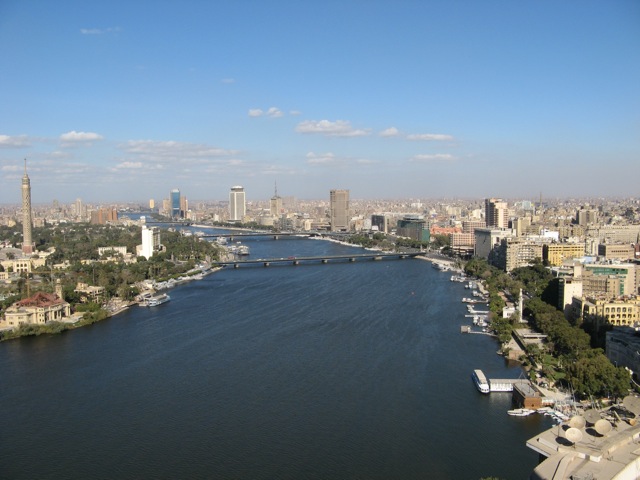
The River Nile  Loved, worshipped and in many occasion, abused.

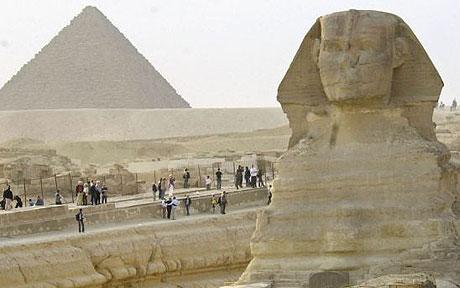
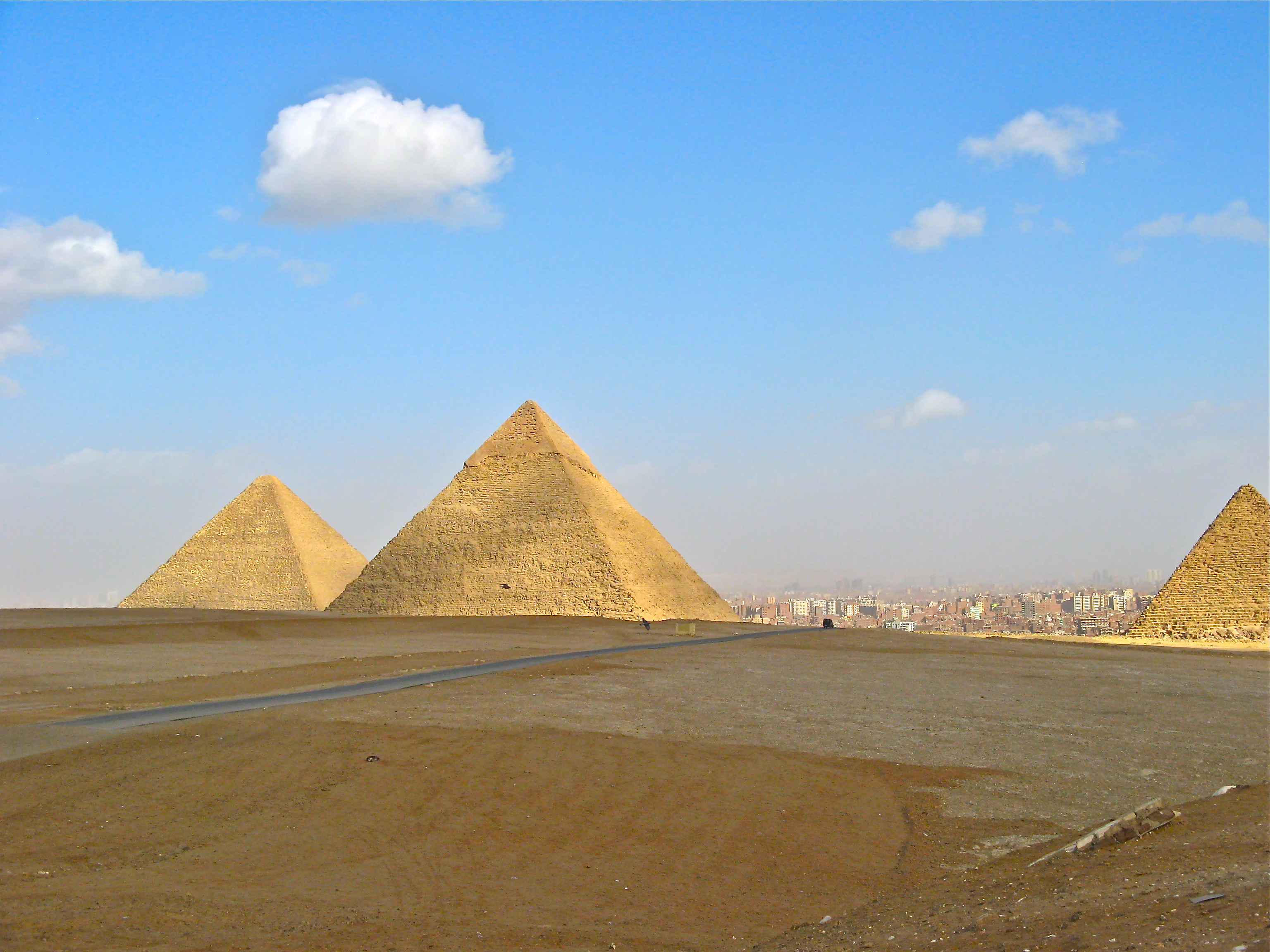
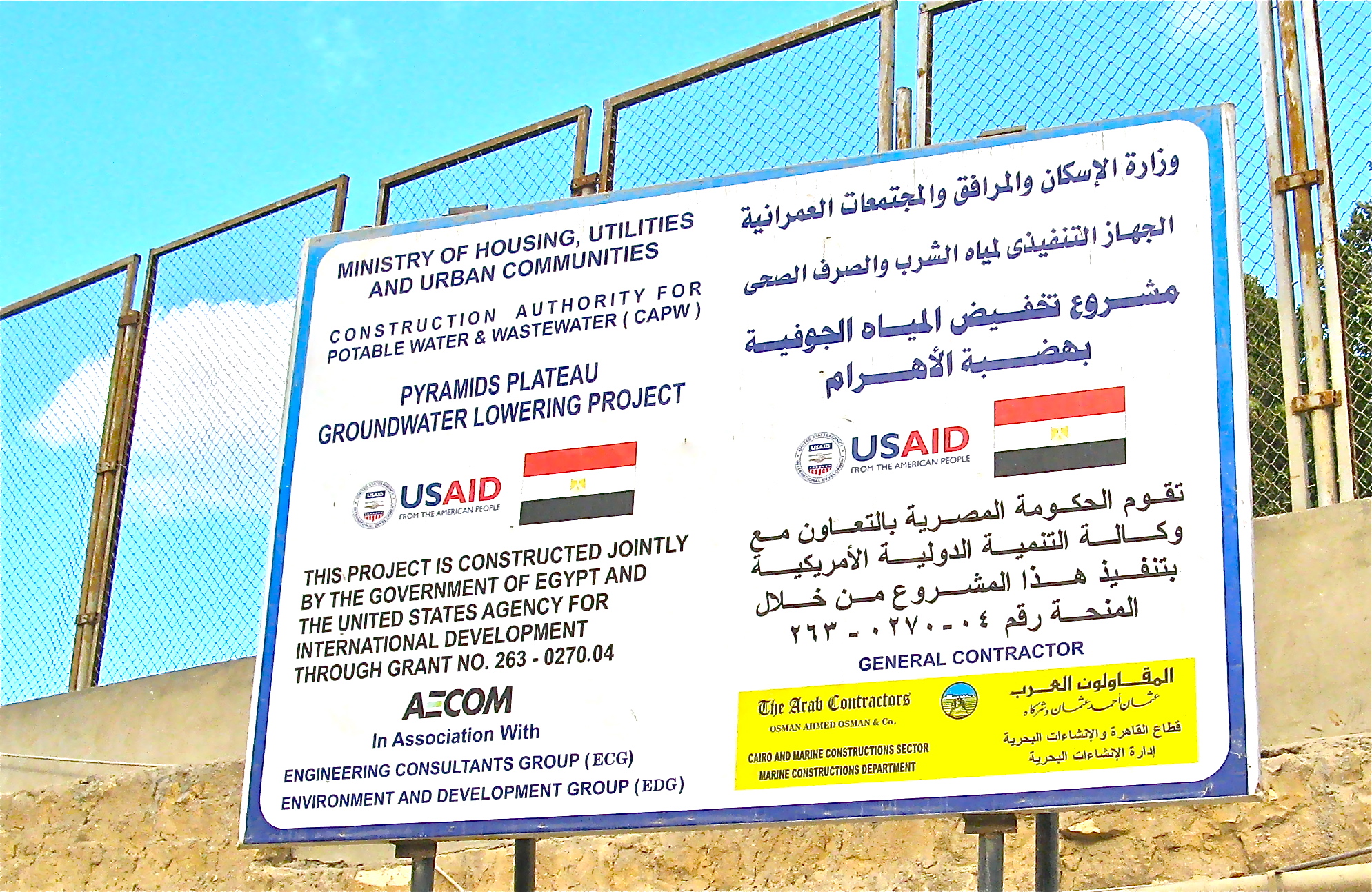
A sign post of US Aid project  in Pyramids area. Standing alone and neglected

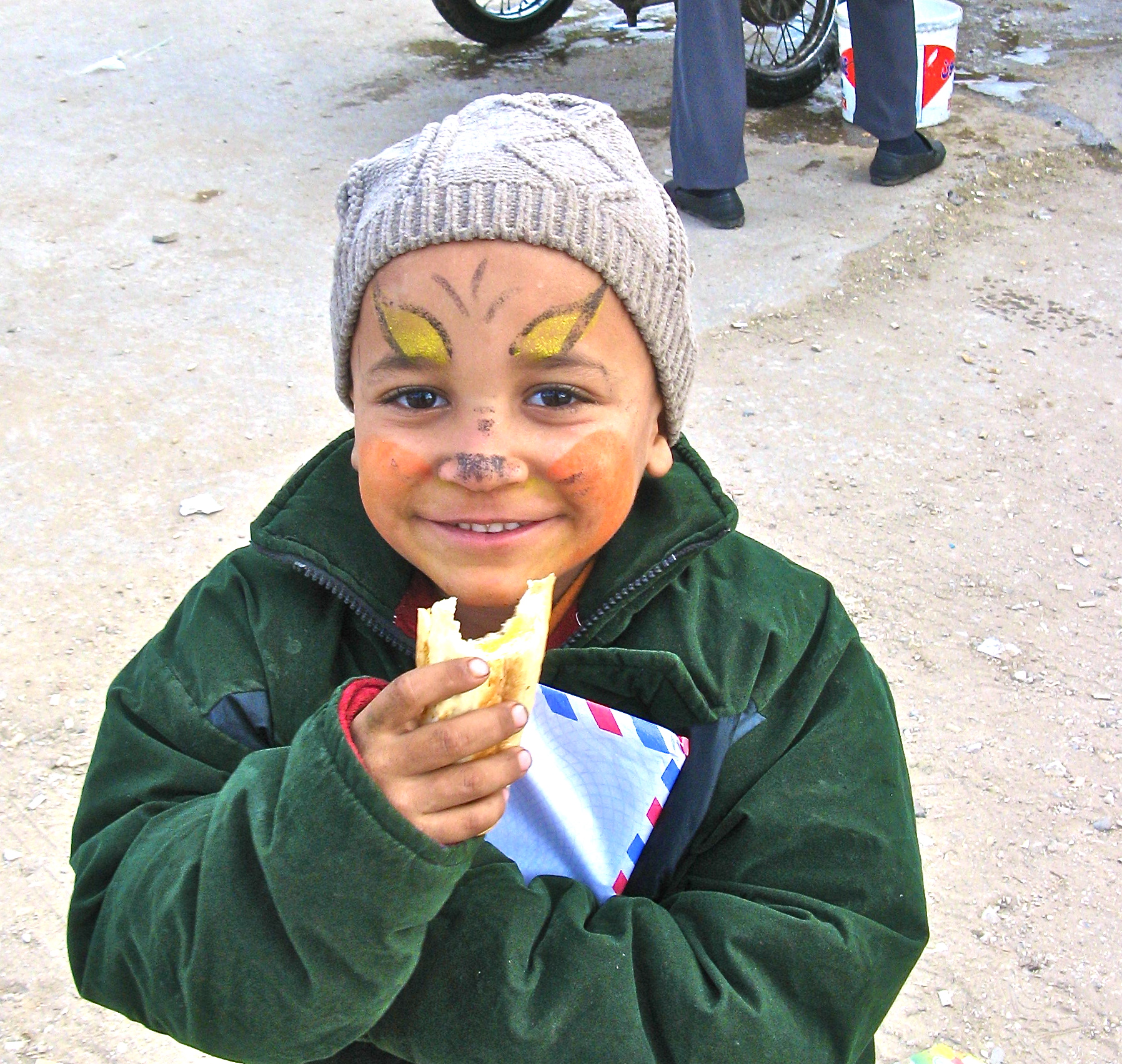
The cutest kid in Giza

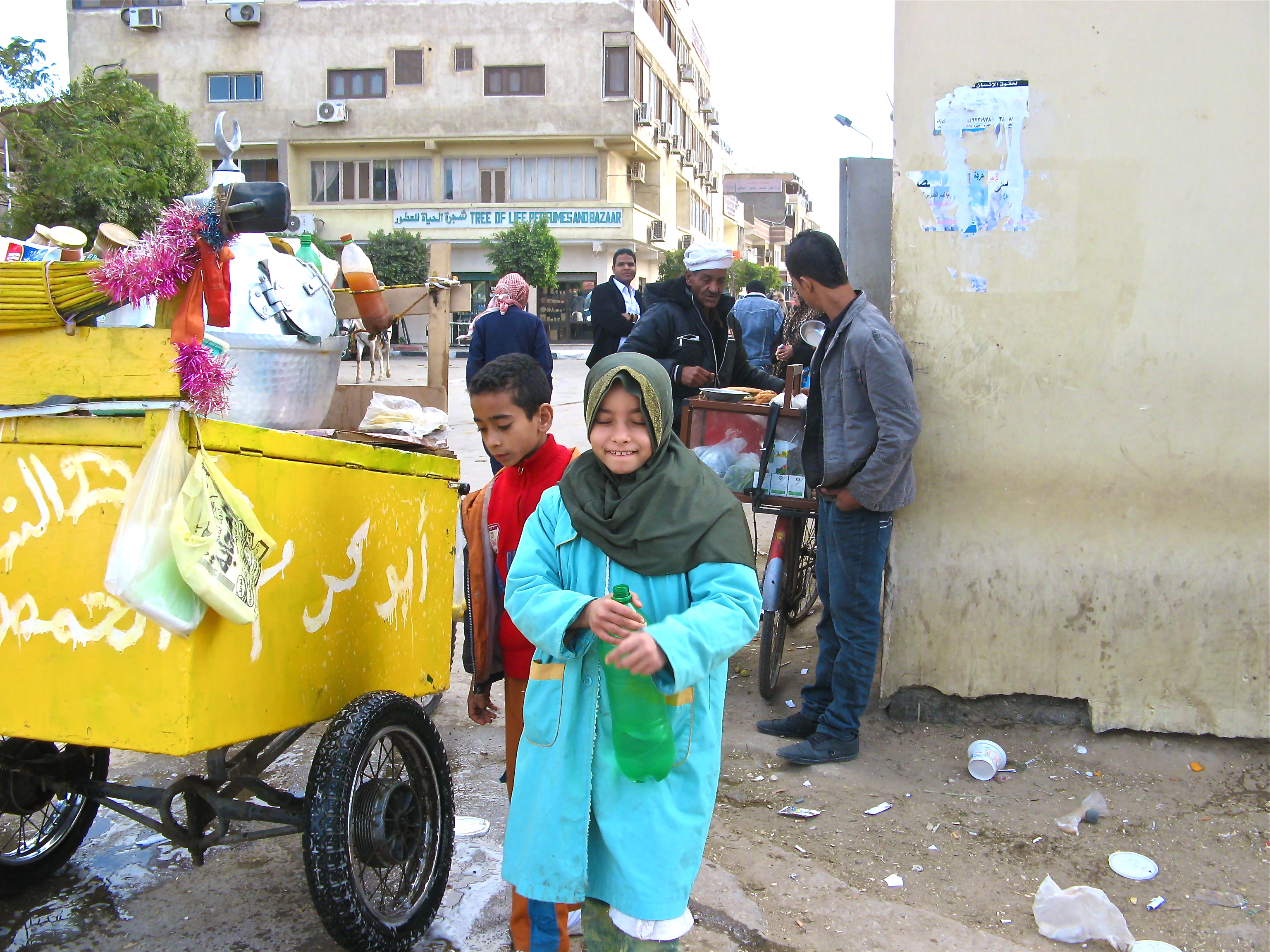
The Foul Car ( the food of the poor, but loved by the rich too)

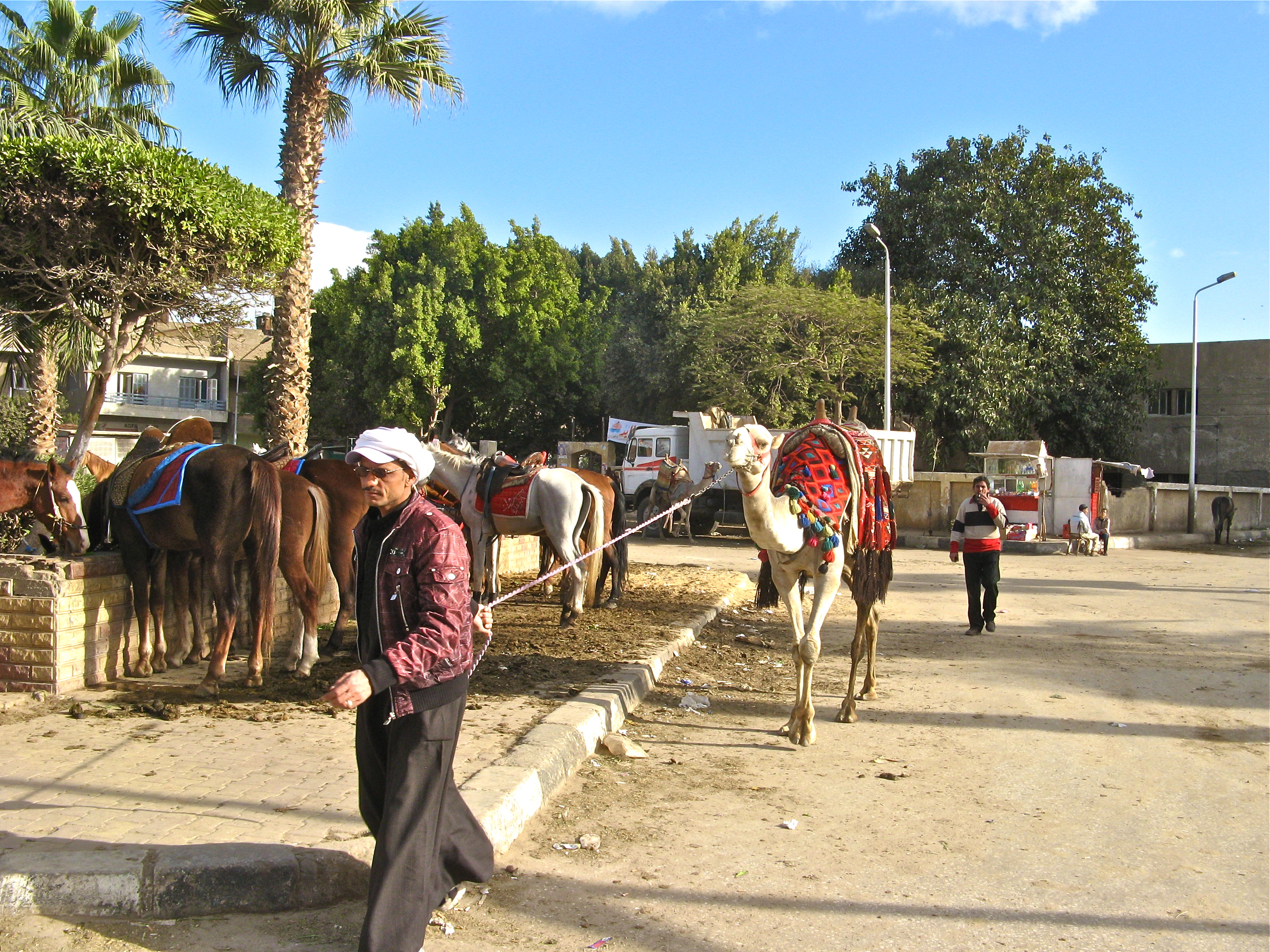
Pyramids horses & Camels

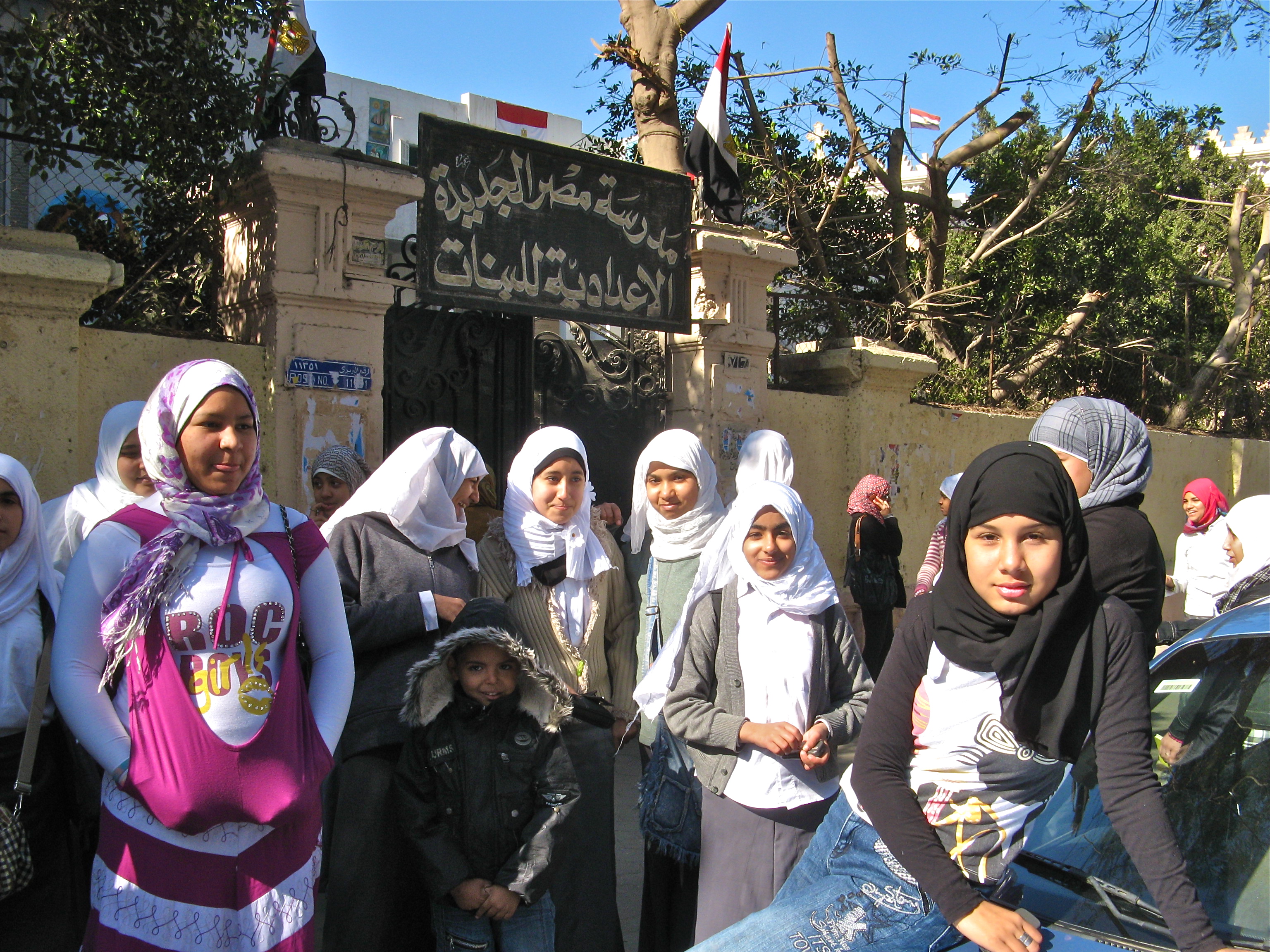
Girls in Public secondery school. All Wearing Hijab

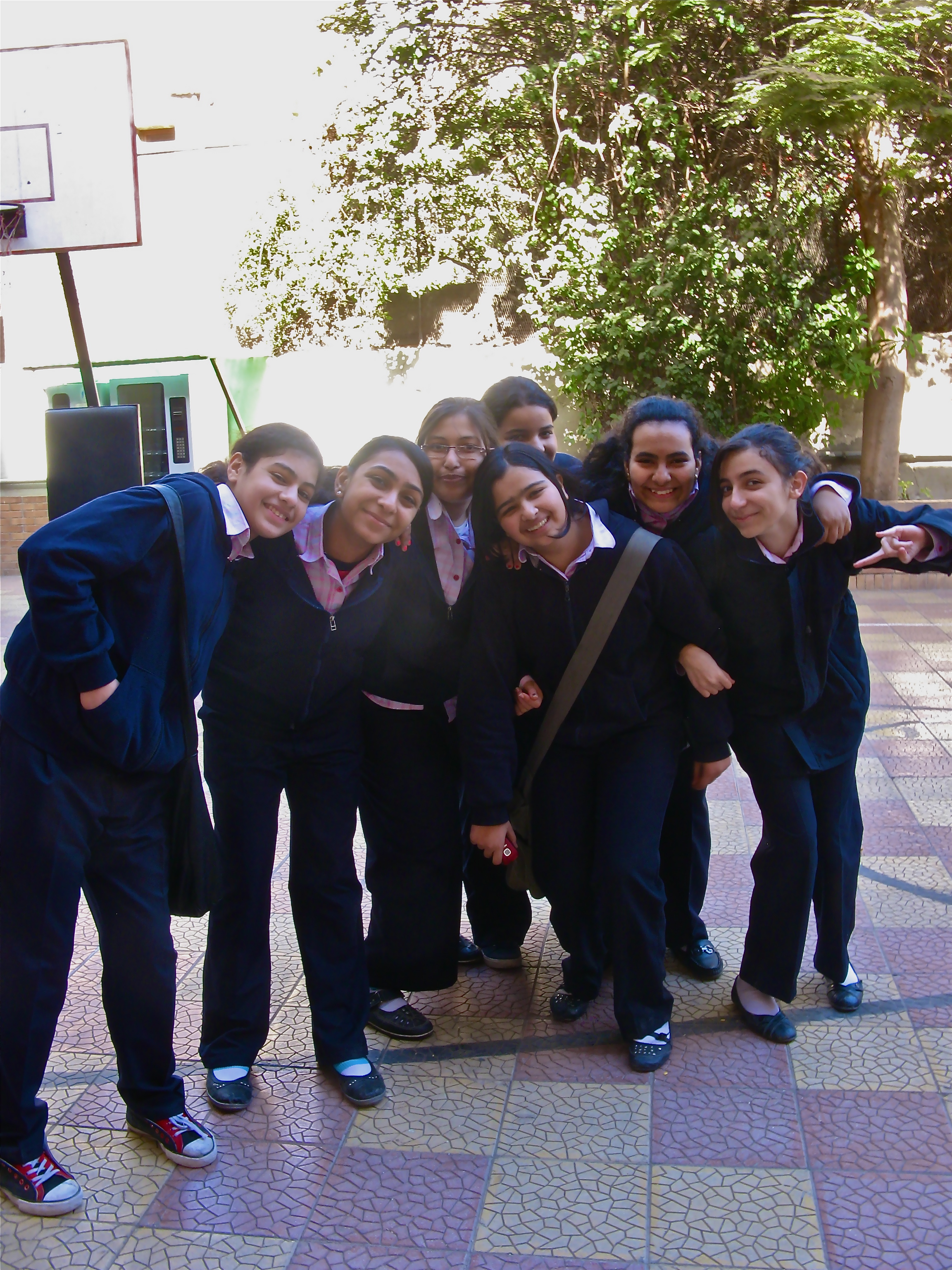
Girls in a private catholic school

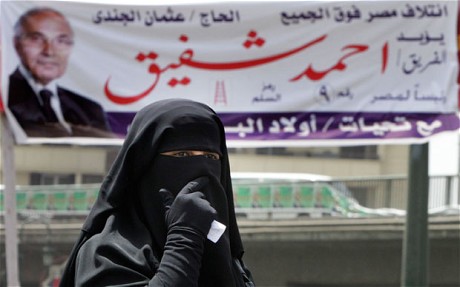
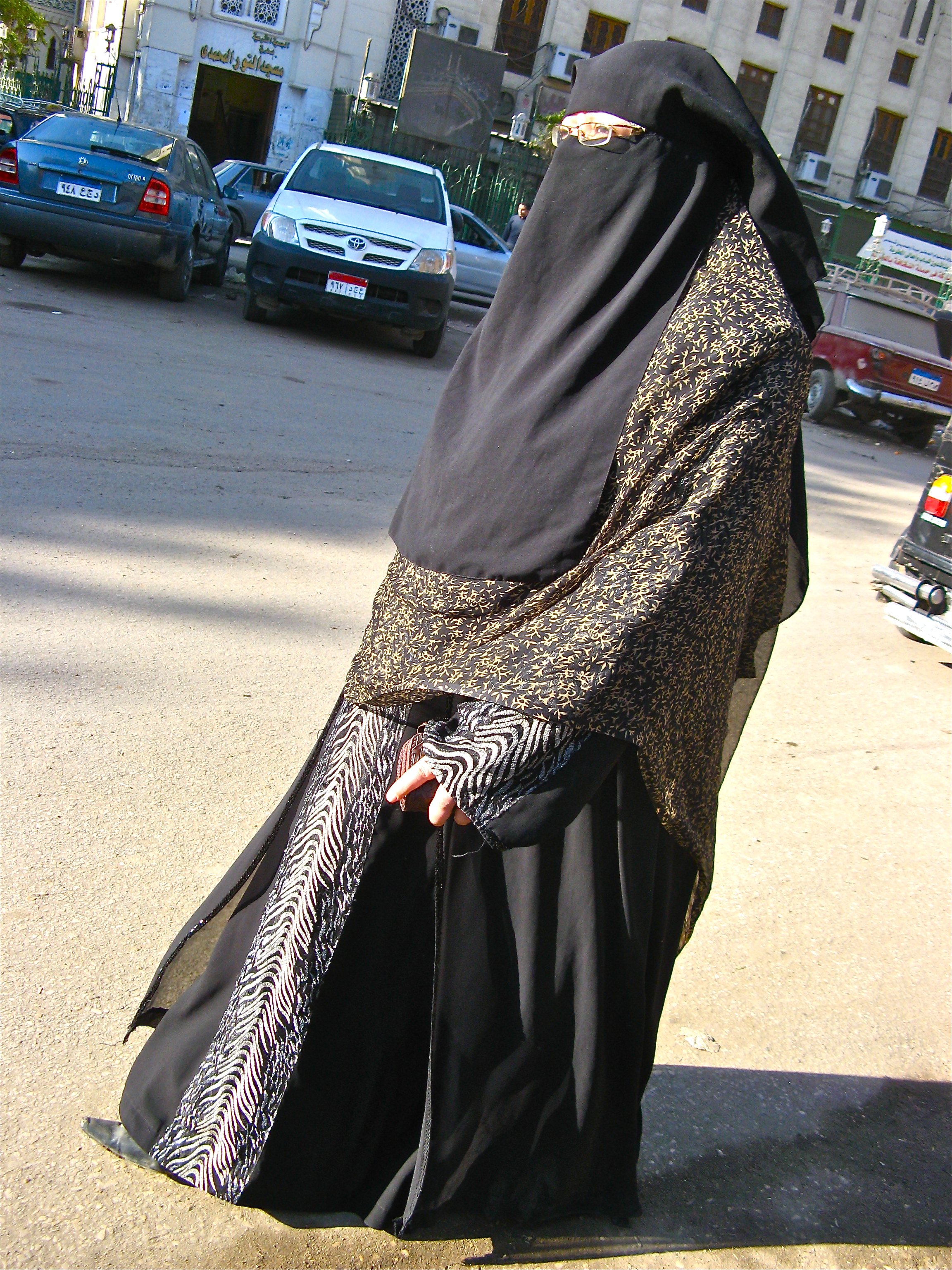
A Niqabi woman , the new reality.

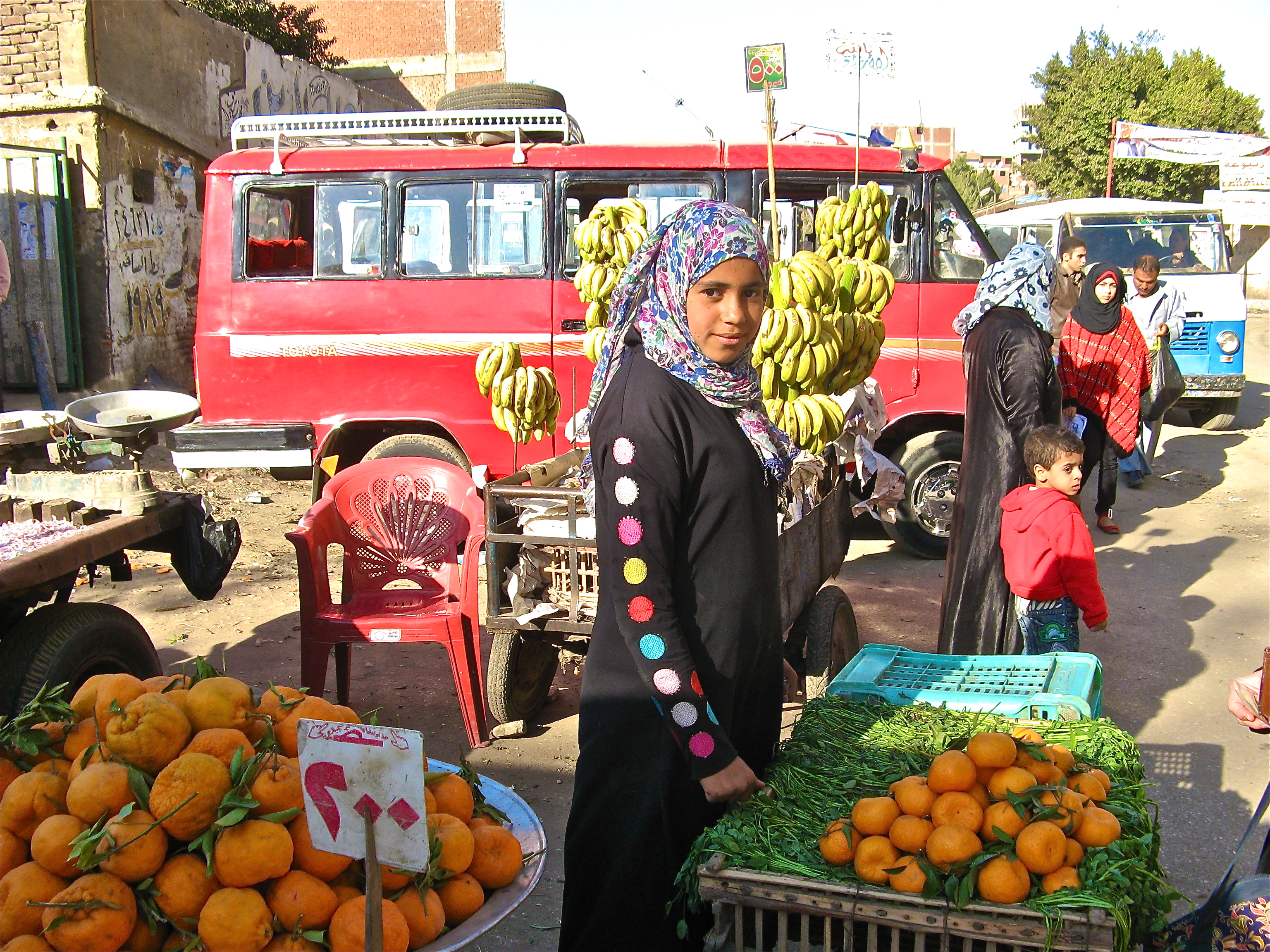
Girls from very tender age work hard to earn a living.

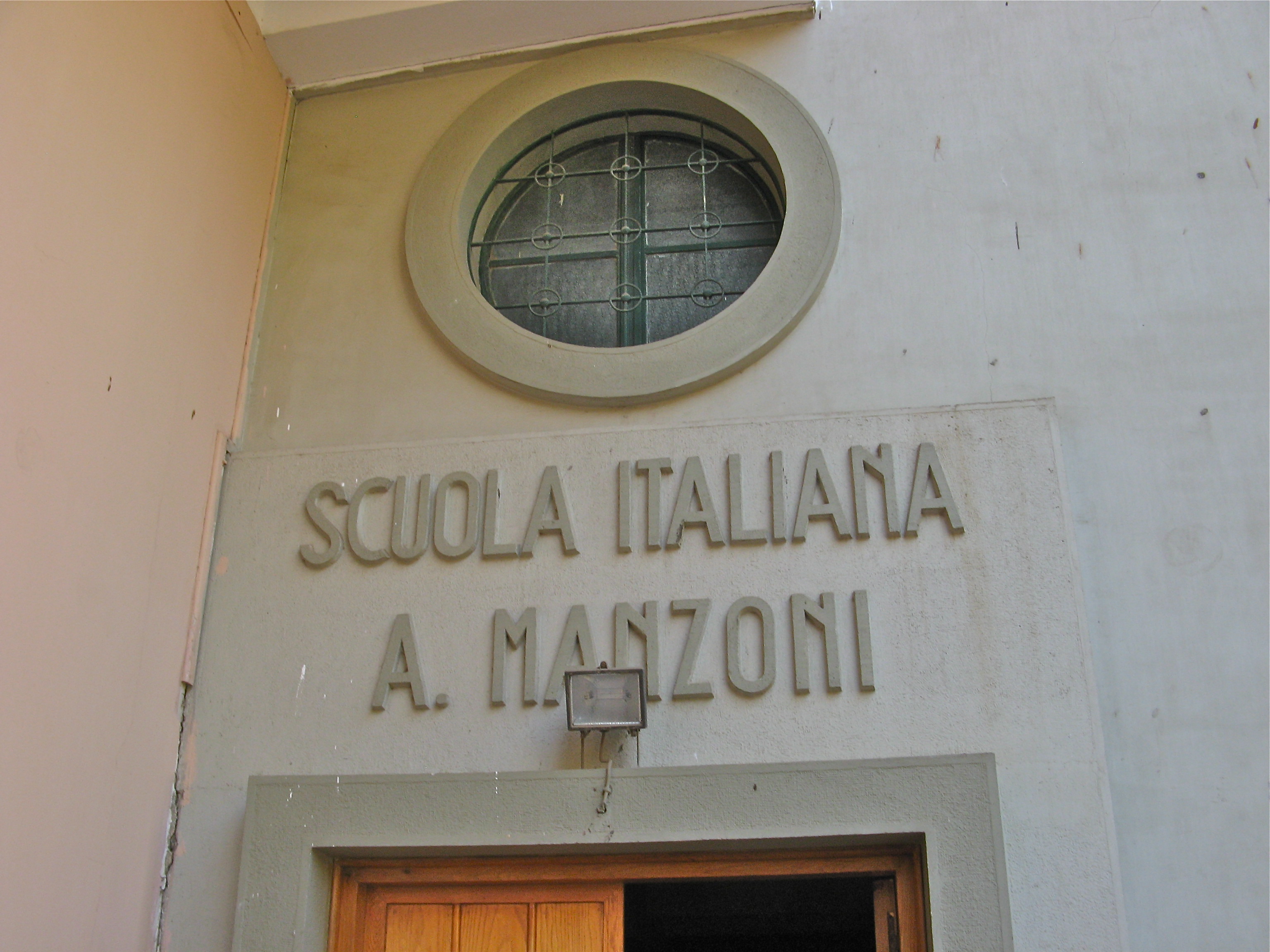
My school Yes, Italian !

Again, my school

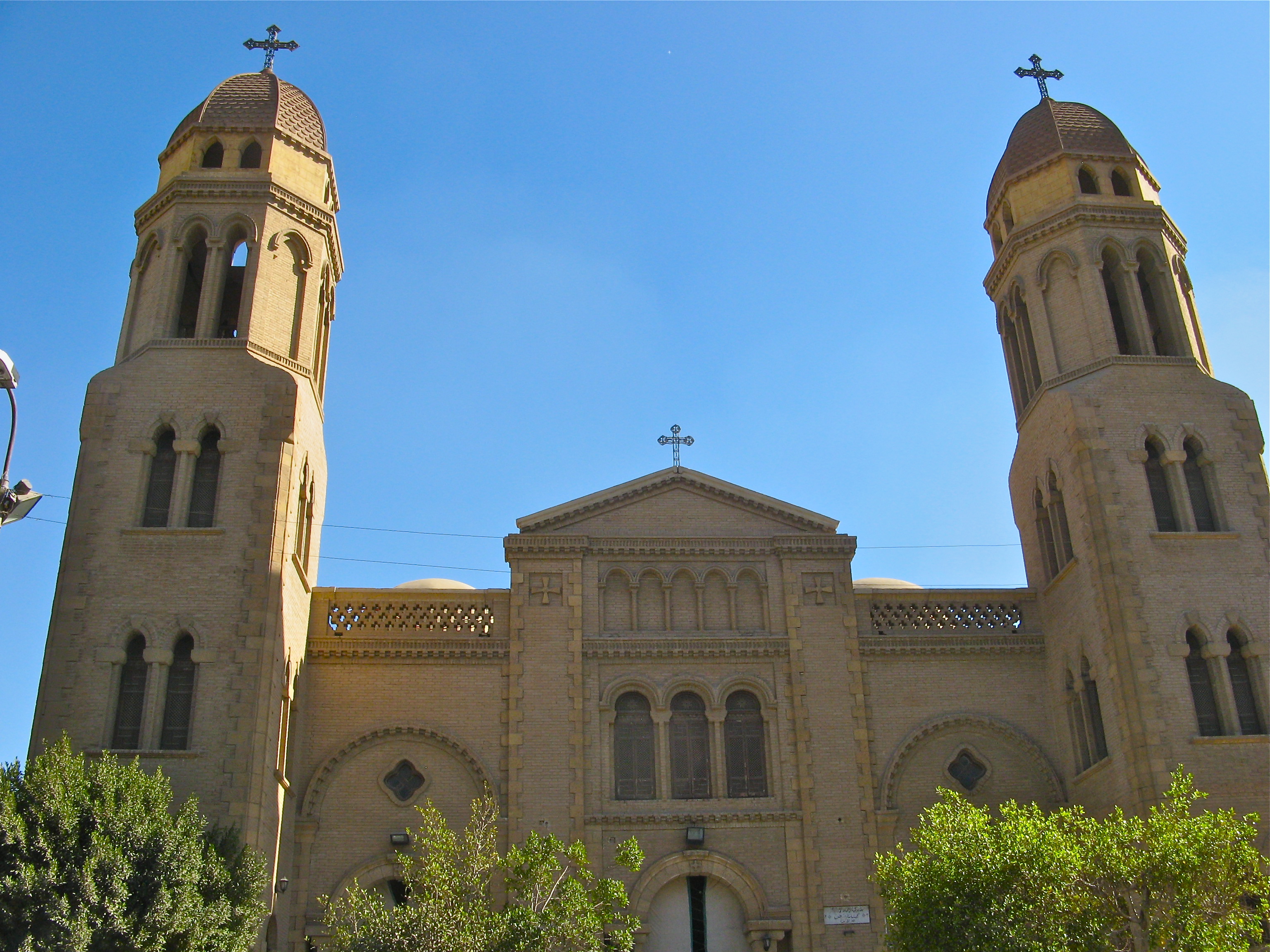
Mar Morcus Church Heliopolis. You can call me an honouree Copt and this is my Church!

 I spent my childhood playing in its courtyard with my Coptic friends after finishing school ( just opposite ) so as far as my concerns, it is mine too.

sadly, at this visit, I was shouted because I took this photo without permission! how things has changed.

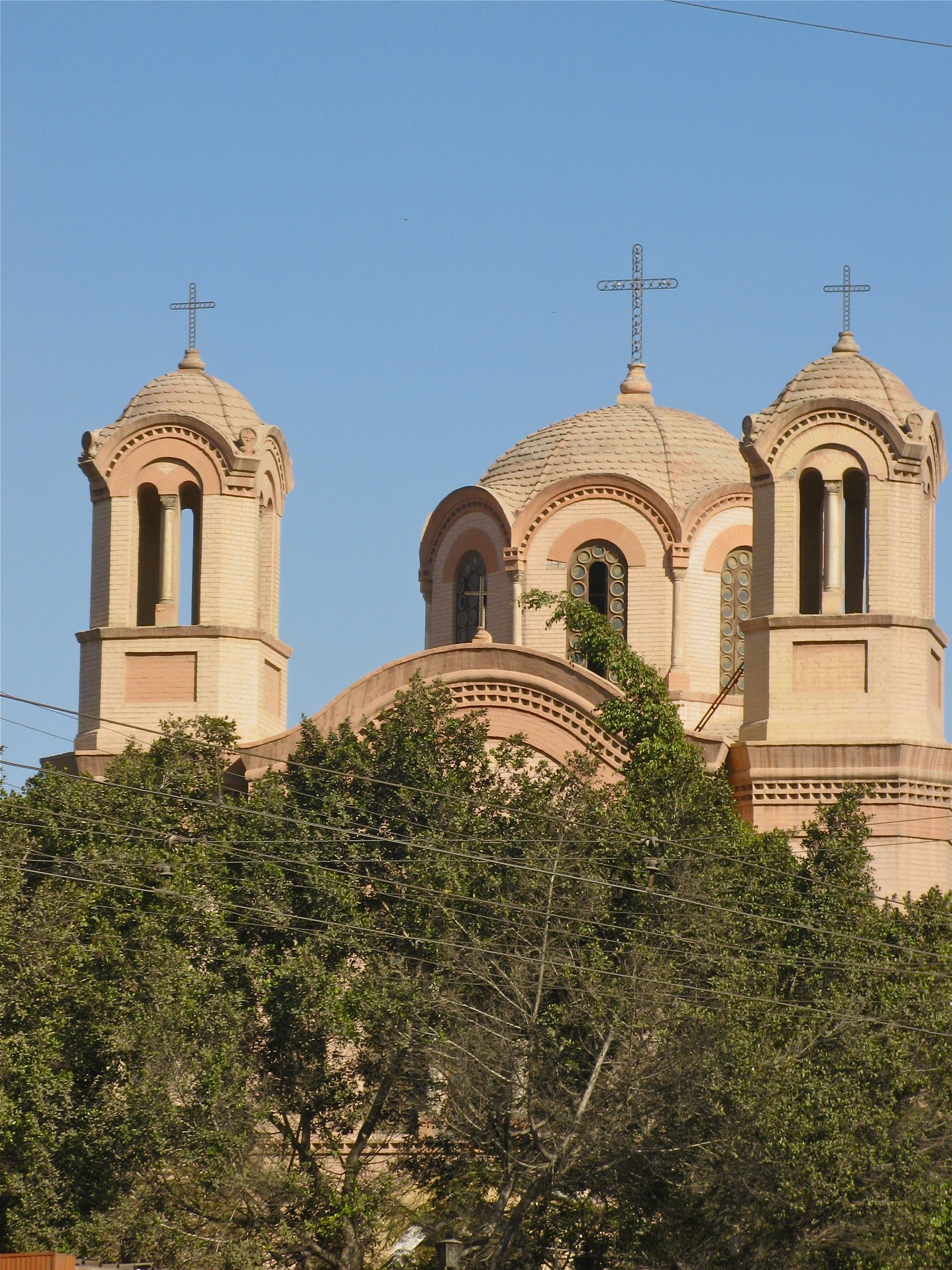
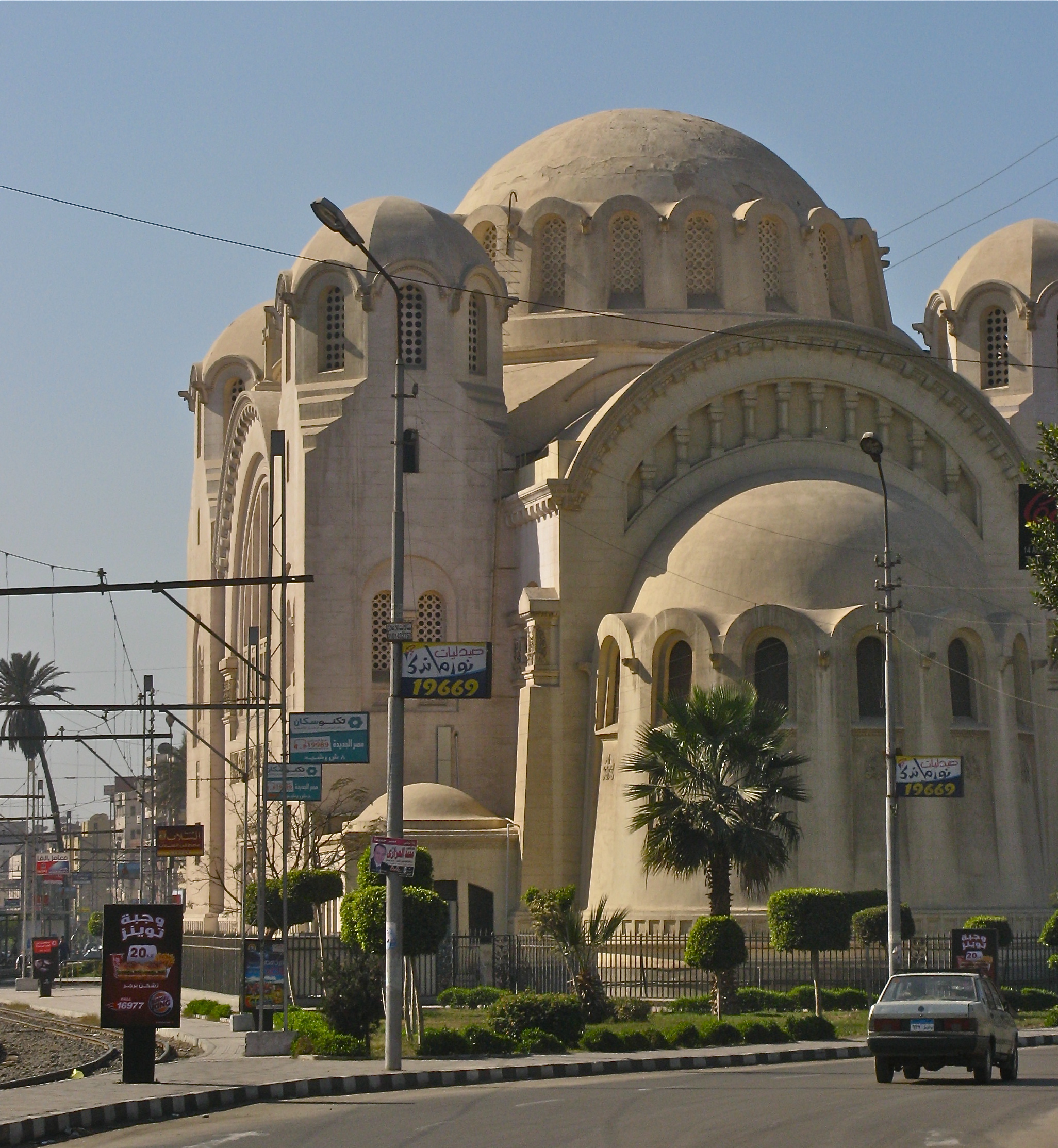
In Heliopolis, there is a church for every known christian sect. This is the Greek Orthodox Church

The Armenian Church

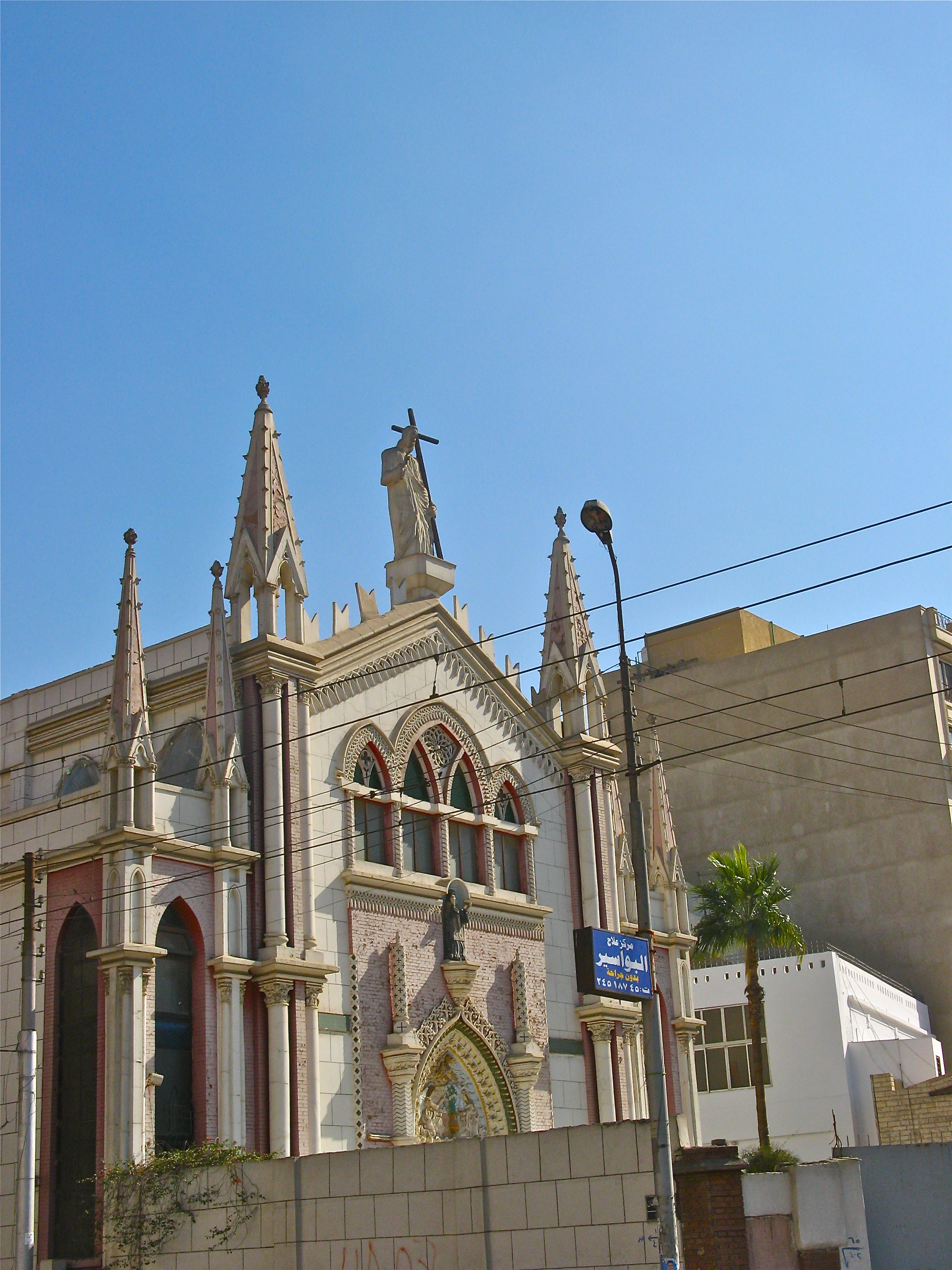
The Baron Catholic Church ( build by a Belgium Baron)

May Egypt stay a tolerant multi-cultural society.

Amen!

Posted in Egypt, Photo Essay | Tagged | 8 Comments

Egypt Presidential Candidate Aboul Fotouh “Mr Relative”

When Einstein created his clever theory of relativity, he focused his work on time and space. Today, political analysts have extended the application of his theory to a completely different sphere; redefining political Islam. The excitement about the Islamic spring and the potential for political Islam to embrace democracy has seduced many in the name of relativity to label some Egyptian Islamists such as presidential candidate Aboul Fetouh as ‘liberal.”

Dr. Aboul Fetouh perceived liberalism is a good indicative of the current state of affairs in Egypt, where grey is white just because it is not black. In another words, benign conservatism is liberalism because we can swallow its milder rhetoric without feeling the urge to vomit.

For years, the mainstream religious establishment has resisted any reform of religious thoughts. Liberal scholars who advocate Ijtihad as the way forward to reconcile traditional texts with modern day life were mocked, bullied, dismissed or even worth murdered. For example; a reformist like Gamal El-Banna (despite being the Brother of Muslim Brotherhood founder Hassan el-Banna) was shunned by many, Nasr abu Zayd was forced to leave the country and settle abroad until he died, and  Faraj Fouda was tragically assassinated when he dared to voice different views. Many of them advocated reformation of Islamic thoughts, and tried (rightly or wrongly) to articulate different views of Sharia that protect the society without impinging on basic human rights. Sadly, these reformists’ voices were silenced in a country blurred by collective conscience.

As a result, there are only various shades of conservative Islam within the Islamic map of Egypt.

First, the Muslim Brotherhood:

a- The main group: Strongly committed to the group ideology and the targets and demands under the lead of their supreme leader and the Presidential candidate the group chooses (Shater or Morsi, it doesn’t matter)

b- the younger ranks who recently expressed some opposition to the group’s main chain of control and commands and demanded more freedom and flexibility. (Some of them may find Aboul Fotouh far more appealing than Morsi)

c- the wider group among the Brotherhood affiliates who endorsed the group in the parliamentary election, but they are not necessarily willing to commit to the Brotherhood and may endorse other candidates, like Aboul Fotouh, if convinced that his chances are better.

Second, the Salafists:

a-the hard-core Salafists: These are true followers of Salafi scholars who actually read religious text, study school of thoughts and actively involved within different Salafi parties. It seems that many of them will support their leaders endorsement of Aboul Fotouh.

b- the soft-core Salafists: These make up the larger group who choose to follow their preachers out of affection and trust without exploring the details of their perspectives. Most of the main Salafi constituents fall under this category. For them, Salafism is a general loose term that means embracing literalism as a way to achieve religiosity without venturing into details. How they will choose their candidate? Will they follow Salafists parties and back Aboul Fotouh? Possibly yes, though not necessarily.

Third, the non- brotherhood, non-Salafist Islamists:

This wider group of none-political affiliated Egyptians who voted for Islamic candidates in the parliament but are willing to shop around before voting in the presidential election.

Fourth, other groups like the Sufi Muslims:

They usually focus on the spiritual aspect of the religion and are naturally declined to join in politics. Their preferred candidate is still unknown.

It seems that Aboul Fotouh has scanned the Islamic map well and decided to focus on the milder version of each subgroup by adopting a more elastic rhetoric, vague, but smooth, calling for justice for all in a rather ambiguous Islamic framework. He may also appeal to non-Islamists under the pretext of his perceived liberalism, and by playing the all-inclusive card: “Trust me, I am a moderate.”

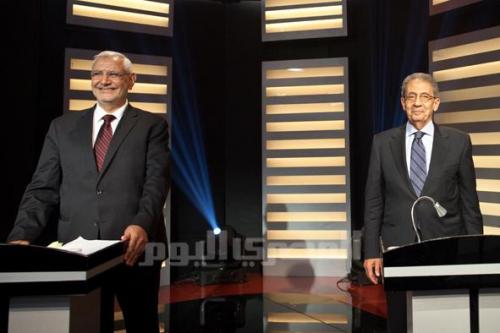
Yesterday, in the first ever-Preseidential debate , Aboul Fotouh reinforced what he already mentioned in his manifesto, a clear commitment to Sharia, but of course he didn’t elaborate on what exactly he means. The Maqasid ( goals) of Sharia as I wrote before is a very elastic subject that raises many questions. I doubt very much that Abuoel Fetouh has even thought about embracing liberal Islamic philosophy with its rationalism and freedom of thoughts; instead, he placed stronger emphasis on the justice of Islamic law, a very appealing slogan in a country rife with corruption.

The only hint of liberalism I detected from Aboul Fotouh was his support to the rights to change religious beliefs, however, later in the debate; he reiterated his opposition of  Iran attempt to spread Shia sect of Islam in Egypt. As a liberal I find that hard to swallow, opposing the brutal Iranian regime should not be extended to rejection of Islamic inter-sect conversion.

I wished Aboul Fetouh was quizzed about his views of Faraj Fouda & Nasr Abu Zeid, bthough I am not expecting him to embrace them, but he should at least protect the right of Muslims to voice different theological opinions without fear for their lives. No one should be murdered or persecuted for expressing controversial views in post–revolution Egypt. On several occasions, Aboul Fetouh has promised he would guarantee “Freedom of creativity” despite he has never articulated what creativity means in his opinion? I wonder how Aboul Fotouh stance regarding the elusive charge of “insulting Islam” and how he would prevent another Adel Imam saga?

So far, Abouel Fotouh vague platform has earned him the endorsement of many from “perceived liberals” like Wael Ghonium to various Salafi groups. It is certainly true, that most of these endorsements are based on political calculation rather than ideological factors. However, the ultra-conservatives can be potential troublemakers in the future if they perceived any delays in Sharia implementation.

Shadi Hamid described Aboul Fotouh as A Man for All Seasons and that Sharia for him “is everything and nothing all at once.” For me, that is not the description of a unifying figure, but a political hustler who are trying to appeal to wide variety of audience all at once. There are still plenty of question marks surrounding his assumed Liberalism, is it real or just a garnish for a very conservative manifesto? For now, he remains Mr. “Relative,” one who successfully proves the endless interesting applications of Einstein’s theory.

Posted in Egypt | Tagged | 6 Comments

The Salafi star at the Pyramids

 Initially published at  Egypt Independent

The popularity of the Salafi Sheikh Adel was surprising, particularly in the top tourist destination in Egypt, the pyramids. A planned two-hour visit ended up as a mission to uncover the legacy of this man. It started with a casual question about the winners of the latest parliamentary elections with one of the camel owners who constantly harass visitors, inviting them on an overpriced ride around the ancient monuments. I was told that many of those who make a living out from tourism in the pyramids area had voted for the Salafi Nour party and its candidate, Sheikh Adel, in the parliamentary elections. Wondering what made those who earn a living from tourism vote for a Salafi candidate led me to embark on a search for clues and possible answers.

Many link the rise of Salafism with two magic words: “the Gulf.” Indeed, many poor Egyptians have left their villages and rushed off toward alluring opportunities in the hot sun of Arabia.

What the Gulf (particularly Saudi Arabia and Qatar) offered was not just money. It was a whole package of strict ideology, broken family bonds and a magical world seen through satellite channels. The results were a society challenged and pushed outside its comfort zone, losing its tradition. Embracing political Islam as the long-term solution for the chronic problems was simply inevitable.

With its strict monochromic vision (halal versus haram), Salafism’s literalism is an appealing choice to these communities of Egyptian expats in the Gulf for many reasons.

For one, the monochromatic vision of Salafism provides clarity. Once social distress as a result of the struggle for livelihood becomes the norm, clarity provides comfort, guidance and most importantly a way of life that is easy despite its many restrictions. One of the main tragedies of modern Egypt is the inability of many to distinguish between freedom and decadence, thinking that coercion is the answer to all of society’s ills; hence the appeal of Salafism.

Additionally, the more marginalized and neglected the community, the more it finds Salafism appealing. Those who live far away from the trendy Cairo suburbs won’t miss their swimming pools or golf courses. Most of the haram (forbidden) lifestyle simply does not exist in their daily life.

Islamic charity — foundational in Salafis’ work in the community — has a major impact in winning hearts and minds. Individuals like Sheikh Adel and his crude efforts to channel money from rich families to help the poor have earned him respect and admiration. I heard endless stories: the single mother he sponsored, the weddings he paid for and many others.

In fact, I felt a genuine and palpable love and respect for Sheikh Adel. One is highly unlikely to be praised after death without valid reasons. In a tragic twist of fate, Sheikh Adel passed away one week after his electoral success leaving many shocked and even distressed, pondering how they would cope without his much needed support.

The story of this fragile community is the story of Salafism in Egypt. Its victory was a direct consequence of the unconvincing performance of most ‘moderate’ Islamic scholars, perceived by many as government stooges, who failed to deliver a convincing case to the Egyptian public regarding the validity of the liberal tenants within Islam, and was compounded by their propensity to face up to radical scholars with their literal, context-free Sharia interpretation. In Egypt, public debate between scholars is virtually non-existent, and that in itself help radicalism to flourish.

Some predict a softer stance from Salafis once they engage in politics, highly unlikely in the near future. It took the Muslim Brotherhood more than 80 years to reach its current position, yet it is unclear how “moderate” it would be. The various shades of non-Salafi Islamists may have shown some pragmatic or semi-pragmatic views: they can advocate gradual implementation of Sharia, they even can show some flexibility in the writing of the Egyptian constitution. However, none of them has managed to produce a solid, complete non-literalist Islamic project.

The extraordinary events unfolding in Egypt may benefit Salafis — despite their divisions — far more than any other Islamist groups. They are the black horse in the current poisonous political arena. The recent disqualification of their presidential candidate Hazem Salah Abu Ismail may fuel more sympathy and support for their cause, plus their puritan views would continue to earn them credibility. Nonetheless, they are still politically novices, and would almost certainly struggle to reconcile their monochromatic views with the tricky nature of Egyptian politics. Can they survive as politicians? Will they resort to violence if they fail to achieve their goals? Only the future will tell.

Posted in Uncategorized | 3 Comments

Islamic Law and Justice for All?

Also published as a guest blog on  CFR’s Steven Cook blog

I once asked a Salafi acquaintance, what he thought of Bouazizi. He paused for a moment then said: “he committed a major sin; he deserves the punishment of hell.” Then he added, “God has made from his bad action, something good.” I later asked a Muslim Brotherhood supporter the same question and his reply was roughly the same, except that he added “probably” in his verdict, showing slightly more sympathy and understanding.

Bouazizi, the Tunisian fruit vendor, did not just inadvertently unleash a wave of revolts throughout the Arab world; he also indirectly rekindled a heated debate about the compatibility of  Islamic Sharia law and democracy. This  debate is ongoing in Tunisia following the Islamic Ennahada party decision to rule out Sharia as a basis for the country’s new constitution and in Egypt where the Muslim Brotherhood asserted that implementation of Sharia law is the group’s aim and final objective.

The fundamental goals of Sharia, known in Arabic as Maqasid, aim to preserve the essential five basic elements of Islamic society: religion, life, intellect, lineage and property. These broad categories are in tune with basic human values, and they not contradict the principals of democracy. However, for Sharia to be a viable model for constitutional law, its interpretation has to be reformative, incorporating various elements of pluralism and human rights.

For example, in the classical maqasid, in order to establish religion, spirituality needed to be maintained and protected by following the divine law, as mentioned in the Koran and Hadith, and by adhering to Islamic rituals. This raises the question of enforcement: what about the freedom to leave religion altogether, which is considered apostasy by many scholars? Would the constitution include a clear legislation to protect people’s individual choice of religion? Will a maqasid-based constitution punish people who opt not to fast or who avoid paying zakat? Mandatory zakat was an idea floated by some Brotherhood members, only to be denied later.

The second maqasid is aimed to preserve life. The way to protect it is through the enforcement of prescribed penalties provided by the divine law. For example, murder, adultery, false accusation and suicide are prohibited in Islam. Again, how will an Islamic constitution deal with adultery, honor killings, and female genital mutilation? During their visit to Washington, the Muslim Brotherhood delegates were very defensive when asked about clitorectomy.

The third maqasid is aimed at protecting the intellect. Namely against anything that hinders the intellect’s ability to function properly. In this regards, alcohol or any similar substance should be prohibited. with this in mind, how far would the “Islamic” government go to impose an alcohol ban and what would be the penalty?

The list of questions goes on. For example, how would a Sharia –based constitution define “morality,” and how would an Islamic government impose it? Regarding the economy, how would the future Islamic government reform the banking system? How would non-Muslims fit in? Would they be forced to accept the same legislations?

There were several attempts to view maqasid in a modern perspective, starting with Muhammad al-Tahir Ibn Ashur in 1946 who expressed the need for an objective-based approach to Islamic law in light of modern realities. Other works by Gamal Attia and Jasser Auda even advocated reform, the evolution of maqasid, and the idea that the maqasid should be viewed as a dynamic rather than a static process.

Sadly, in the current polarized atmosphere in Egypt, the interpretation of maqasid varies drastically, with many parties still resisting any liberal or dynamic interpretation and rather preferring a cut and paste version of the 6th century model. This is precisely why my Salafi and Muslim Brotherhood acquaintance viewed the Almighty as a bureaucrat who would doom Bouazizi to hell. Ironically, both applauded Sheik Qaradawi’s Fatwa that sanctioned suicide in order to kill Jews in Palestine.

Adopting maqasid as a roadmap for the new Egyptian constitution is not as easy as the Muslim Brotherhood is trying to make it out to be. What the Prophet Mohammed presented to the world in the 6th century was a clear, progressive enlightened project that was far more advanced than what Arabs had before. In order to achieve the same results in the 21th century, Islamists parties should provide a new platform that is neither ambiguous nor regressive. This platform should maintain the delicate balance between the rights of individuals and their duties within the “Islamic” society in order to prevent hypocrisy, underground decadence and religious bipolar behavior that currently plagues many Muslim societies.

The Muslim Brotherhood still has a long road ahead to convince the public that its renaissance project is the way to go. Sticking to general slogans of justice and morality is simply not enough.  As the parliamentary majority, the Muslim Brotherhood  have a duty to engage the public in a debate about the interpretation and implementation of Sharia law in society. This debate may be awkward, difficult and daunting, but the dialogue is essential to ensure that Bouazizi and the thousands of revolutionary martyrs who dreamed about freedom, equality and justice did not die in vein.

Posted in Egypt, Islam | Tagged | 4 Comments

Dear Future President, what does Sharia mean to you?

When Egyptians went to the poll and voted for various Islamist parties in the recent parliamentary election, they were not after a fast-track ticket to heaven, but a genuine desire to fight corruption, decadence and nepotism that had been plaguing Egyptian society for generations.

Now, we have approached the final stage of the long, painful transitional period in post-Mubarak Egypt, and a new reality is unfolding- an Islamic -dominant Constitution drafting committee and a plethora of Islamic candidates for the upcoming presidential election.

Assuming that there will be no more surprises, and that the three main candidates- el-Shater, Abou el-Fotouh and Hazem Abu-Ismail- will continue with their campaigns, I think we should demand a serious debate between these candidates about Sharia law and the role of Islam in society. After all, they are promising Egyptians a better Islamic society and it is their duty to explain exactly what this is means.

I am very skeptical, however, about the likelihood of this debate ever taking place. Neither El-Shater nor Abou-El Fotouh would risk debating religion in public because they are primarily politicians who use Islam as a tool to gain popularity, and they never show any desire to enter the deep end and challenge the extremist’s mantra. Also, any debate about religion would almost certainly benefit Hazem Abu-Ismail who was once an Islamic preacher and would probably do his utmost to portray himself as the guardian of Islam and paint the others as opportunists (if he has the guts to do so).

I am persistent and looking for some answers. Those who believe that they can lead Egypt should articulate exactly what Sharia law means to them. Do they believe in coercion and why? In their views, what is the difference between sins and crime? Is freedom of choice part of Islamic teaching? which school of Islamic jurisprudence you follow? and finally, why should society enforce Sharia? and  most importantly, how your Shari- based platform differ than the others?

The debate about Sharia is as old as Islam itself. There was era of rationalism and other eras when rigorous dogma had dominated. Nonetheless, there are many Qur’anic verses that confirm that freedom is enshrined in Islam – one verse clearly states “There is no compulsion in religion.” The pragmatism of Caliph Omar is well documented, as when he suspend the punishment for theft (hadd) when hunger plagued the country, and how he stopped paying zakat- despite an explicit Qur’anic verse – to a certain group who had joined Islam without a deep rooted faith.

There are also endless examples of tolerant behavior, perhaps the most moving of which was when Abu-Hanifa the most outstanding jurist in Islamic history and the founder of the rationalist school of thinking, upon hearing that his drunken neighbor had been arrested and imprisoned for misbehavior, called on the governor and secured the man’s release and then he looked at him and said “Brother, we do not want to lose you at any cost.”

If our Presidential candidates really want to Islamize society, before they start to preach to the public how wonderful is their Islamic project is, they should articulate which Islam they are after and why. Sadly, even the so-called “moderate” Abou el-Fotouh has recently raised his religious rhetoric in order to gain popularity.

I have no doubt that the soaring rhetoric will only increase after El-Shater’s nomination, but I still hope that those who want to lead the country will stop using religion in order to reach the presidential palace.

How ironic that Islamists who bitterly complained about secular dictators imitate their actions by infantilizing their followers. Egypt has enough problems as it is and cannot afford double talk, contradictions or wishful thinking.

Posted in Egypt, Islam | Tagged , , | 7 Comments